
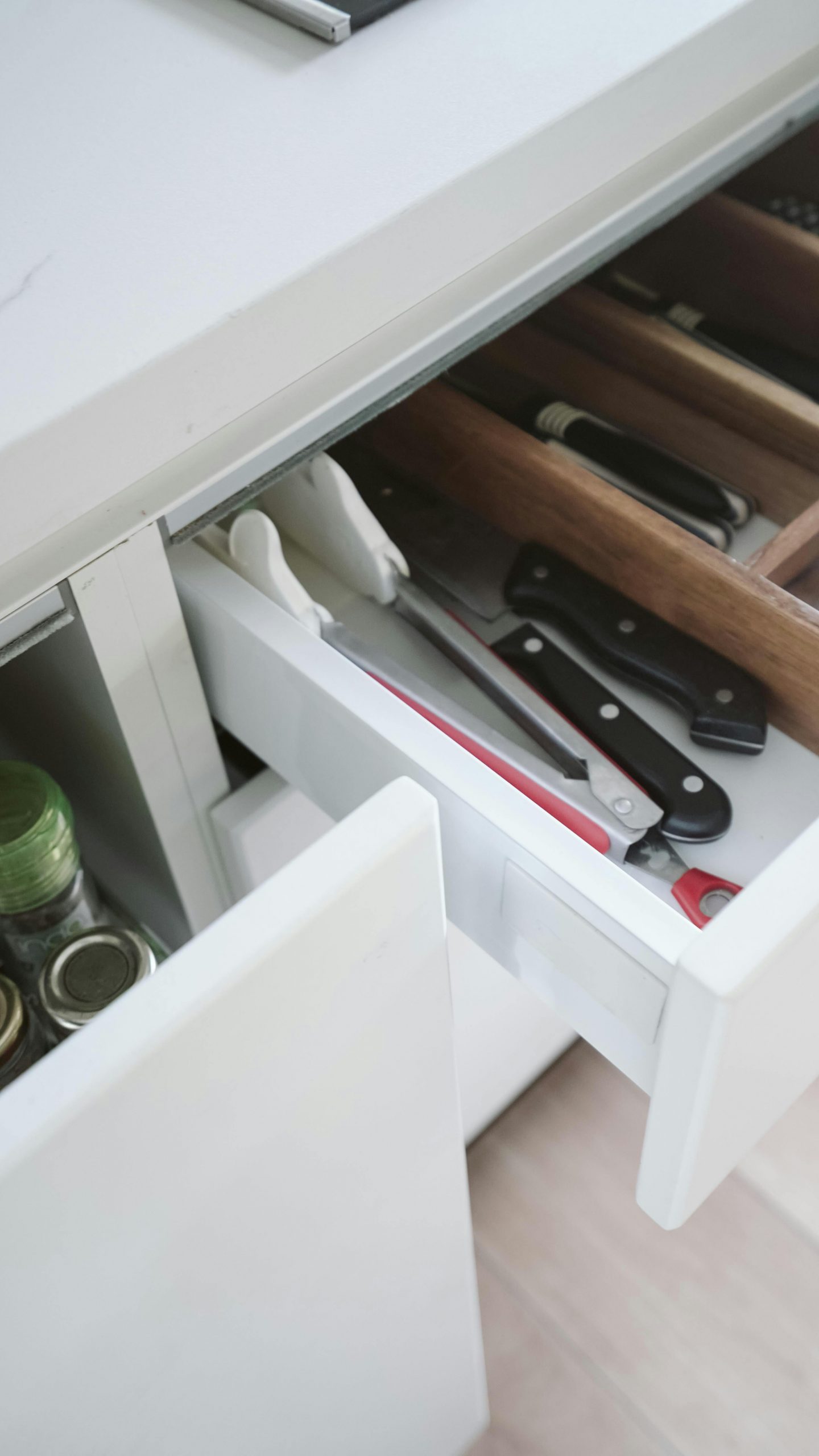
The kitchen is filled with all sorts of equipment, ranging from everyday essentials like a chef’s knife and a colander, to specialised tools like a cleaver and a sous vide machine. While most home cooks don’t need a drawer full of niche equipment, certain knives genuinely make prep easier, faster, and far more precise.
From the trusty chef’s knife to that oddly shaped blade you’ve never used, every kitchen holds a mix of essentials and mysteries. Sure, you don’t need every specialised knife ever made, but a few of them can transform prep from frustrating to effortless. Here are the specialised knives worth knowing about—and what they’re really for.
A breakdown of the most common speciality knives
1. Tourné knife
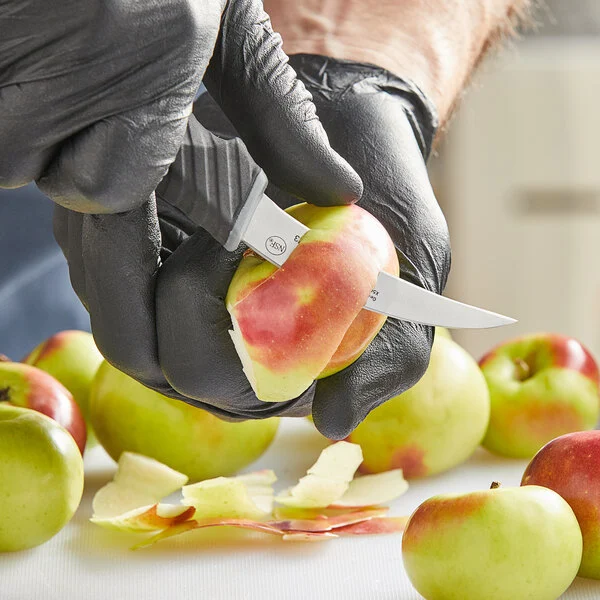
Also known as a ‘bird’s beak pairing knife’, it has a short blade – 4 to 6 cm – that curves downward. Used primarily for tournee cuts, it can also be used to peel and prep small, odd-shaped produce with ease, like a knob of ginger. Tournee cuts are cuts shaped like a seven-sided rugby ball. The technique involves a chef turning and cutting vegetables to promote even cooking.
Best for: shaping root veggies, like potatoes and carrots, for fine dining presentation; coring tomatoes, strawberries and brussels sprouts; and for creating impressive and precise garnishes for cocktails.
2. Utility knife
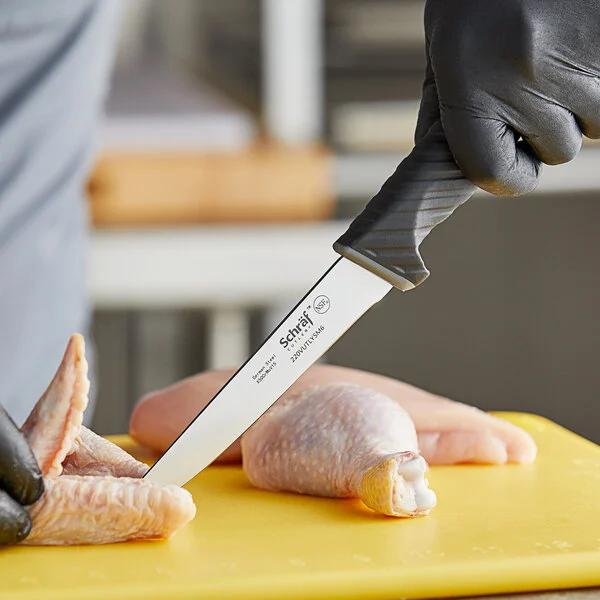
A bit of a mix of a chef’s knife and a pairing knife, the utility knife might become your new favourite tool. Its blade is longer than a pairing knife and narrower than a chef’s knife. Generally 15 cm long, this “knife of all trades” works well for preparing foods, such as slicing fruits, tender pieces of meat, and even sandwiches. A utility knife is perfect if you’re looking for an all-rounder (without having to spend more on other knives), or if you feel that a chef’s knife is just too big and a pairing knife just too small.
Best for: everyday slicing, light prep, sandwiches, citrus, soft veg, tender cuts of meat.
3. Oyster knife
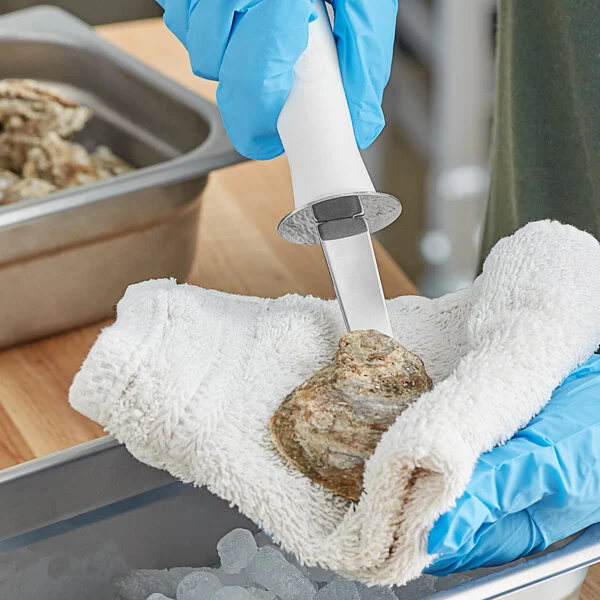
If you’re a seafood lover, including oysters, this knife is just for you. Oyster knives are essential tools for shucking oysters efficiently and safely. There are different-sized oyster knives for different-sized oysters, but they all share a common design: a sturdy handle holding a straight blade with a pointed tip, perfect for sliding in between the shell and popping it open. Notably, the Boston-style oyster knife has longer, narrower blades that make it effective at opening oyster shells regardless of their size, making this type perfect for beginners or those who prefer an all-rounder tool.
Best for: opening or shucking oyster shells and removing their meat.
4. Cleaver
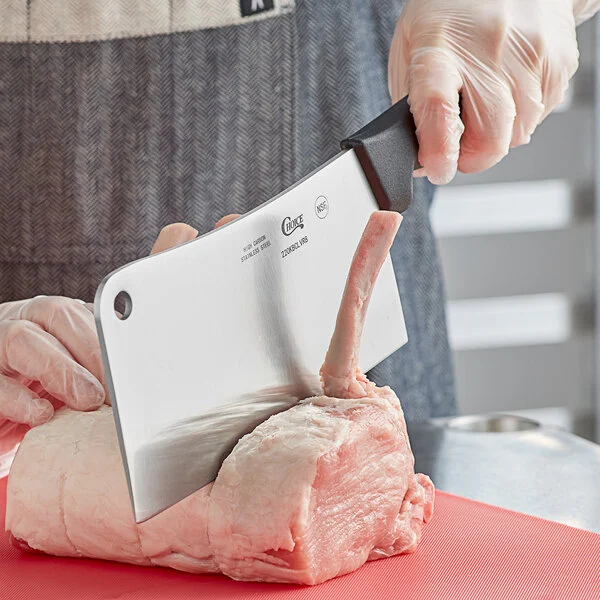
You might have seen this on cooking shows, in movies, used in Asian-style restaurants, or by butchers. The cleaver is a large, heavy and sharp knife used specifically to cut through bone. In Eastern cuisines, like Korean and Chinese, the cleaver reigns supreme – taking the place of the Western chef’s knife. However, many chefs prefer a cleaver for more control over their cuts of meat, slicing techniques, and even for smacking herbs and spices to release their natural oils before cooking. If you’re looking for a knife specifically for meat and bone cuts, invest in a heavier butcher version. Or, invest in a lighter, Chinese-style one if you’re looking for a multi-use tool.
Best for: Chopping through joints and bones, slicing through heavy prep items, crushing ginger and garlic (or other herbs and spices); lighter versions are fantastic multi-use tools.
5. Mincing knife
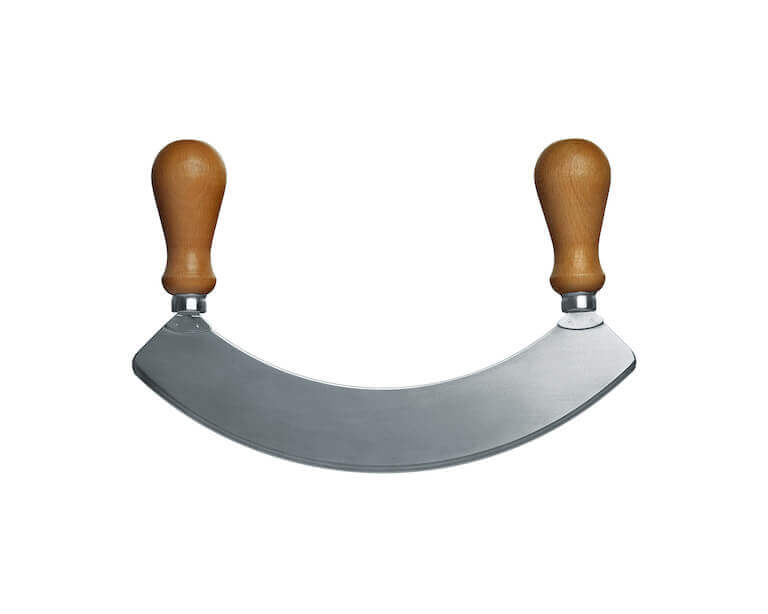
Also known as a ‘Mezzaluna’, this knife is curved with two handles attached at either end. You use both hands to rock the blade back and forth on a chopping board. It makes quick work of mincing vegetables, aromatics, and herbs with minimal effort. Although not the most precise knife, it’s the best knife to use for mincing or finely dicing herbs without overly bruising them.
Best for: mincing or finely dicing herbs, garlic, ginger, onions, shallots, spring onions and mushrooms.
Speciality knives elevate precision in niche areas of food prep, but aren’t mandatory for daily use. Start with 3 or 4 essentials and add speciality knives based on what you love cooking most. Or, if you prefer an all-rounder tool, look into using a utility knife or Chinese cleaver. Otherwise, we suggest you find out what your kitchen is missing, or what tool can make your life easier, and then match it with a specialised knife for safer handling, cleaner cuts, and better prep speed.
