
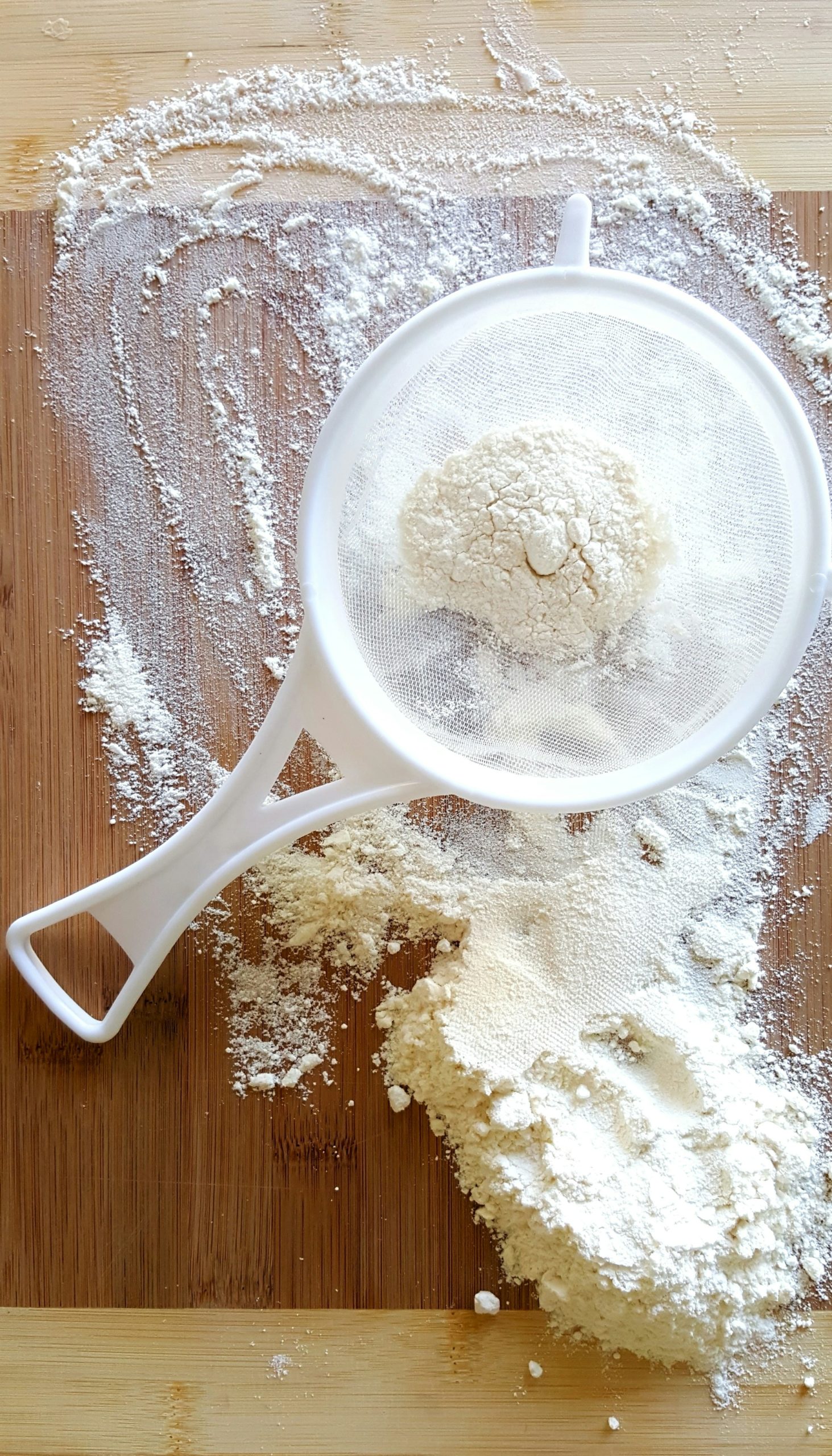
A bag of flour can sit in the pantry for months before you reach for it again. Maybe it’s leftover from a weekend baking project or that one recipe you promised you’d make more often. But when you finally pull it off the shelf, there’s usually one question that comes to mind: Does flour go bad?
The answer is yes, although not as quickly as many other pantry staples. With the right storage, flour can last for months, but it won’t stay fresh forever. Here’s what you need to know about flour storage, shelf life and the telltale signs that it’s time to replace it.
Does flour go bad?
Yes, flour does go bad, although the timeline depends on the type of flour and how it’s stored.
Refined white flour has a relatively long shelf life because most of the bran and germ have been removed. These parts contain natural oils that can turn rancid over time. Wholewheat flour, rye flour and other wholegrain varieties still contain those oils, which means they don’t stay fresh for nearly as long.
While flour may still be safe to use shortly after its best-before date, its quality gradually declines. You may notice weaker flavour, poorer baking performance or, in some cases, signs that it has gone off completely.
How long does flour last?
As a general guide:
- White flour: Around 6 to 12 months in the pantry and up to 2 years in the freezer.
- Wholewheat flour: Around 3 to 6 months in the pantry and up to a year in the freezer.
- Alternative flours such as almond, coconut and oat flour generally have shorter shelf lives because of their higher fat content. Always check the packaging for guidance.
The dates on the packet are a useful reference, but proper storage often has a bigger impact on freshness than the date itself.
How to store flour properly
The way you store flour can significantly extend its shelf life.
Keep it airtight
Once opened, transfer flour into an airtight container. This keeps out moisture, pantry pests and odours from other foods.
Store it somewhere cool and dry
A pantry or cupboard away from direct sunlight, the oven and other heat sources is ideal. Warm temperatures speed up the deterioration process.
Try the bay leaf trick
Some home bakers like to place a dried bay leaf inside their flour container to help deter pantry pests such as weevils. While there’s little scientific evidence to prove how effective it is, it’s a harmless trick that’s been passed down through generations. Just remember that bay leaves won’t get rid of insects or eggs already present in the flour, so they’re best used alongside proper airtight storage.
Freeze it if you don’t bake often
If you only reach for flour occasionally, storing it in the freezer is one of the easiest ways to keep it fresh for much longer. Freezing can also help kill any insect eggs that may have been present in the flour when you bought it. Simply allow the flour to come to room temperature before baking if needed.
Label the container
If you’ve decanted the flour into another container, write down the purchase or opening date. It’s an easy habit that helps you keep track of older ingredients.
How to tell if flour has gone bad
Not sure whether it’s still usable? Here are a few warning signs:
- It smells sour, musty or oily instead of having a neutral scent.
- You spot mould or any signs of moisture.
- There are insects, larvae or webbing in the flour.
- The flour has clumped together due to dampness.
- It has an unusual discolouration.
If you notice any of these, it’s best to discard the flour rather than risk ruining your baking.
Can you still use expired flour?
If the flour is only slightly past its best-before date and has been stored correctly, it’s often still perfectly usable. Give it a quick inspection before baking.
Check that:
- It smells fresh.
- There are no signs of pests.
- It feels dry and powdery.
- There is no mould or odd colouring.
If everything checks out, it will likely perform just fine in your recipe.
ALSO SEE: When to Toss Your Spices: 5 Easy Checks
Feature image: Unsplash
