
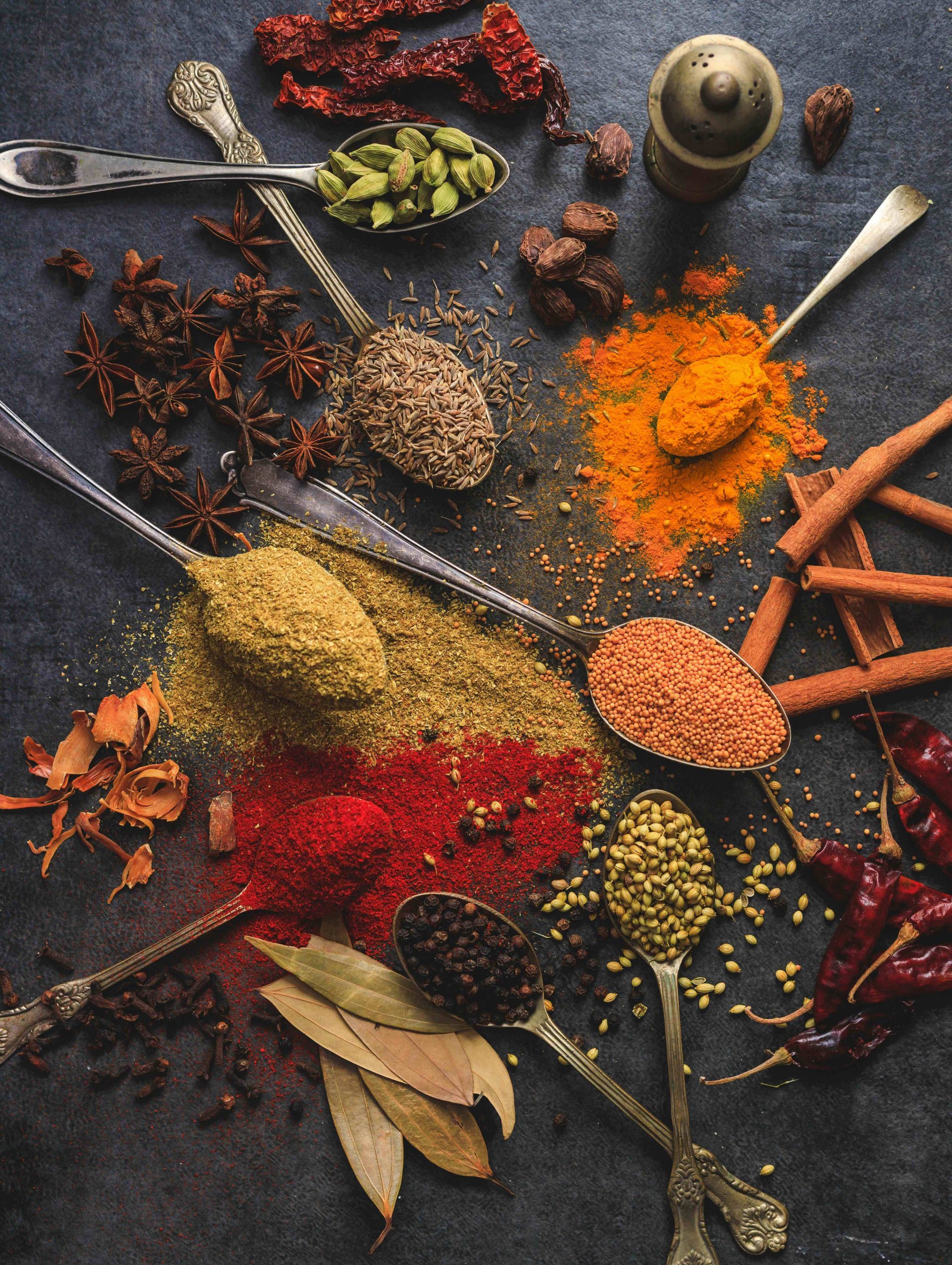
Those jars of spices sitting at the back of your cupboard might be older than you think. But do spices actually go bad, or simply just lose potency?
As much as we’d love them to, spices don’t last forever. While they might not necessarily go bad like milk and become unsafe to eat, they lose their colour, potency and flavour over time. Generally speaking, ground spices lose their potency faster than whole spices, so knowing when to replace them is key, especially when you have a craving for something vibrant and full of flavour.
Before you start chucking out spices, here are 5 simple checks to help you decide whether to keep, revive or replace your spices.
How long do spices last?
It depends. Whole vs ground spices have different shelf lives. The general rule of thumb is that whole spices last longer than ground. When spices are ground, they are more susceptible to oxidation, lowering their potency over time.
- Whole spices: Generally last 3 to 4 years
- Ground spices: Generally last 2 to 3 years
- Top tip: Label spices as soon as you buy them, or use the “best before” / “best by” / “use by” dates on their packaging as a guideline
- Store them right: The best way to store spices, whole or ground, is in a sterilised airtight container, like a zip-lock bag, jar, or even Tupperware
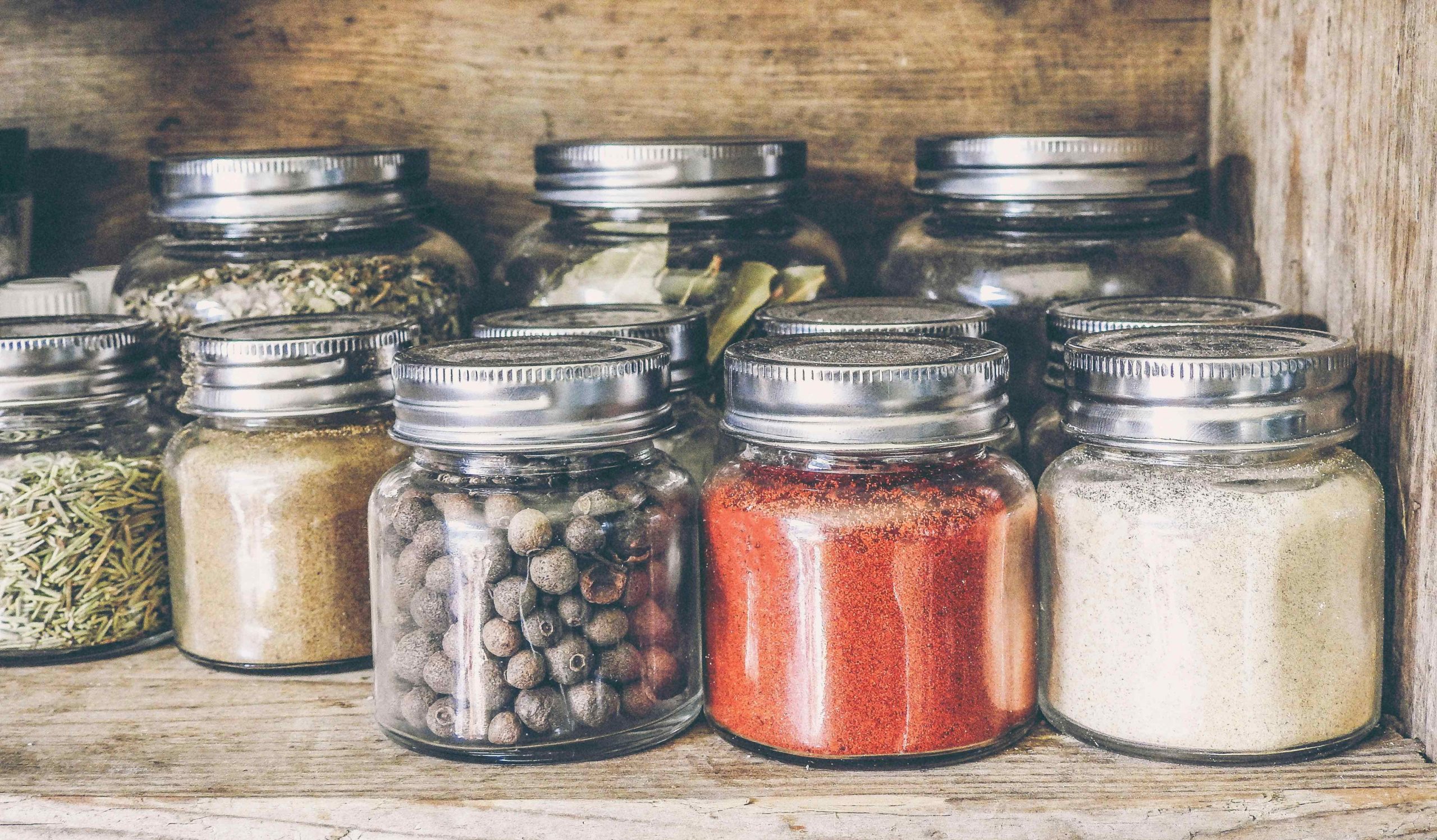
Telltale signs spices have expired
If you haven’t a clue when you bought that jar of smoked paprika, use these testing tips before tossing it.
1. Faded colour
- Spices with a dull colour are probably past their prime, but check their aroma next, just in case they have some kick left
- Bright spices like turmeric, paprika, and ground chilli lose their vibrancy when they expire
- Darker spices like ground cumin and coriander won’t have that sheen when you first bought them
2. Weak to no aroma
- Spices that are still in their prime have a strong aroma (some are so strong that you catch a whiff every time you pass the spice rack)
- If you can’t detect anything, toss or repurpose them
- If you get a slight whiff, you can try to revive them by dry-frying them for a few minutes before blooming them in oil (if you still don’t smell a strong aroma after dry-frying, toss or repurpose them)
3. Flat flavour
- If you’ve decided to take the plunge and use them in a dish, taste as you cook
- If you can’t taste them in the first 20 minutes, even after adding some more, you’d better get your hands on a fresh batch before serving
4. Clumping or moisture
- If you notice any large clumps or strange amounts of moisture, your spices are no longer safe to cook with
- Moisture encourages bacteria, mould, and even critters
- Don’t take the risk. Toss or repurpose instead
5. Strange odours
- If you smell any ‘musty’ or off odours when you open a spice jar, it’s time to toss it
- Any off odours suggest contamination, so it’s better to stay safe than sorry
Old spices won’t necessarily make you sick, but they won’t do justice to your cooking either. Better to stay safe than sorry and take the time to test them out with a quick whiff or dry-fry before taking the plunge.
How to store spices so they last longer
- Keep them in airtight containers
- Store spices somewhere cool, dark and dry
- Keep them away from the stove, oven, dishwasher and sink
- Don’t shake spices directly over a steaming pot – they will trap moisture and get clumpy and hard
- Buy smaller quantities of spices you use infrequently
