
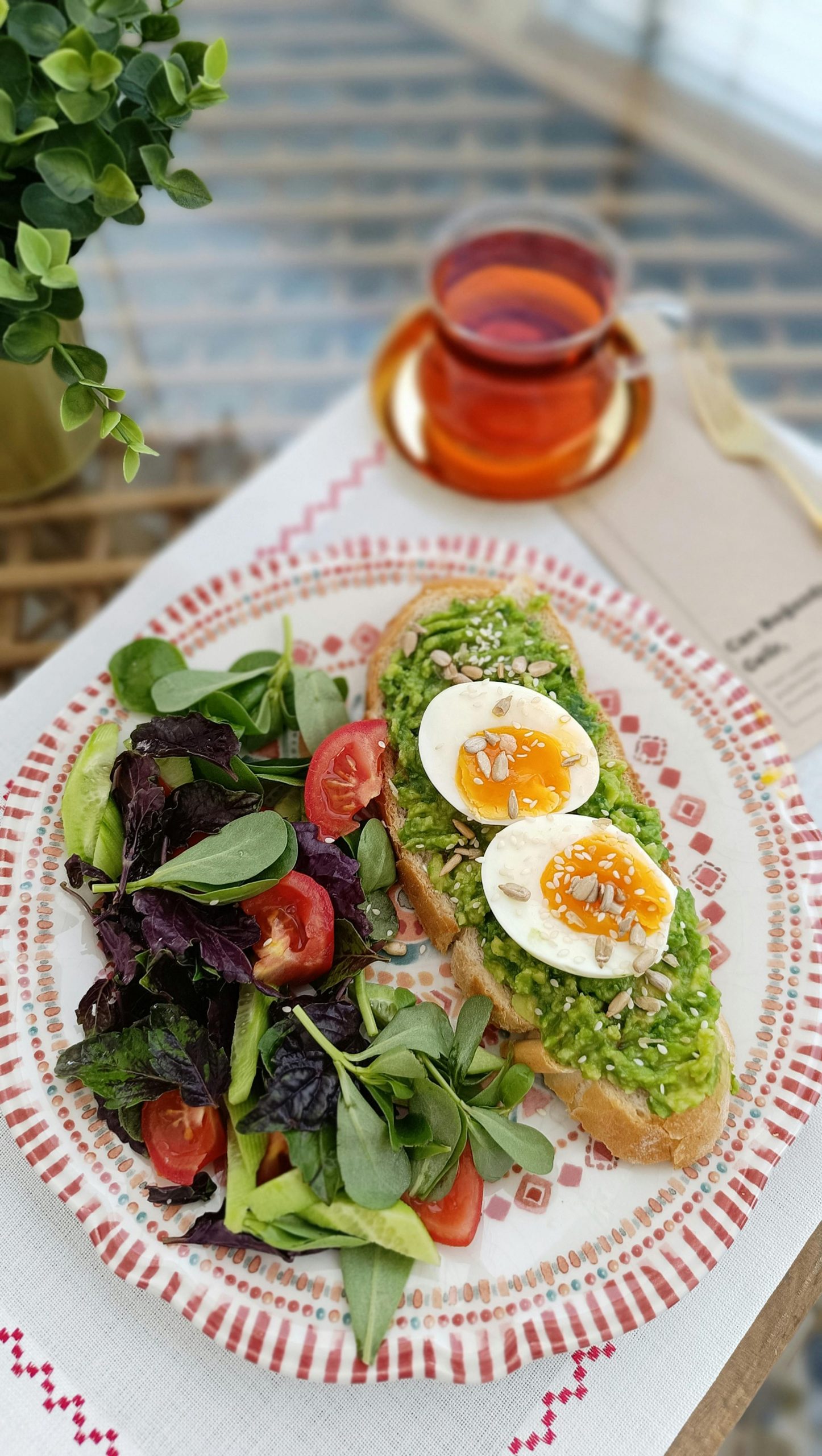
As South Africa marks Healthy Lifestyle Awareness Month this February, with its focal point on National Healthy Lifestyle Day, the nation faces a familiar paradox: our profound love for communal, indulgent cuisine set against the stark reality of a growing non-communicable disease burden.
With studies indicating nearly 70% of adults are overweight or obese, the call for a sustainable health shift has never been more urgent. For Omy Naidoo, founder and managing director of Newtricion Wellness Dietitians, the solution lies not in abandoning cultural staples but in optimising them.
“Our challenge and our opportunity lie in our diversity. We must craft health messages that resonate from Sandton to Soweto, that celebrate our pap and samp, and empower every family to make choices that are both culturally sound and nutritionally dense,” Naidoo states.
He advocates for a return to affordable, nutrient-dense foundations. “Look to the staples that have sustained generations, maize, samp, beans, and lentils. These are affordable, versatile, and packed with the nutrients we need,” he advises.
This approach is critical in a context where research suggests a significant portion of the population struggles with food affordability.
The following table outlines a pragmatic approach to enhancing everyday meals:
Staple Food | Key Benefit | Practical Enhancement
- Maize Meal (Pap) | Energy and fibre. | Use whole-grain options; serve with a vegetable-rich gravy and beans.
- Samp & Beans | Complete plant-based protein and fibre. | Flavour with herbs and garlic; add grated vegetables during cooking.
- Dark Leafy Greens | Vitamins and minerals. | Finely chop and stir into stews, soups, or pap dishes.
The ethos of the month, Naidoo emphasises, is sustainable community change. “Health is not a solitary pursuit. Cook and eat with family. Share healthier recipes,” he says. This February, the goal is to embed small, conscious shifts like prioritising water, reading labels, and moving naturally into the fabric of daily life, proving that wellness and tradition can coexist.
ALSO SEE: RESEARCH REVEALS HOW MUCH PLANT-BASED FOODS YOU NEED TO EAT DAILY
Research reveals how much plant-based foods you need to eat daily
Image: Pexels | Text: Supplied by The Dynaste Comms Firm
