
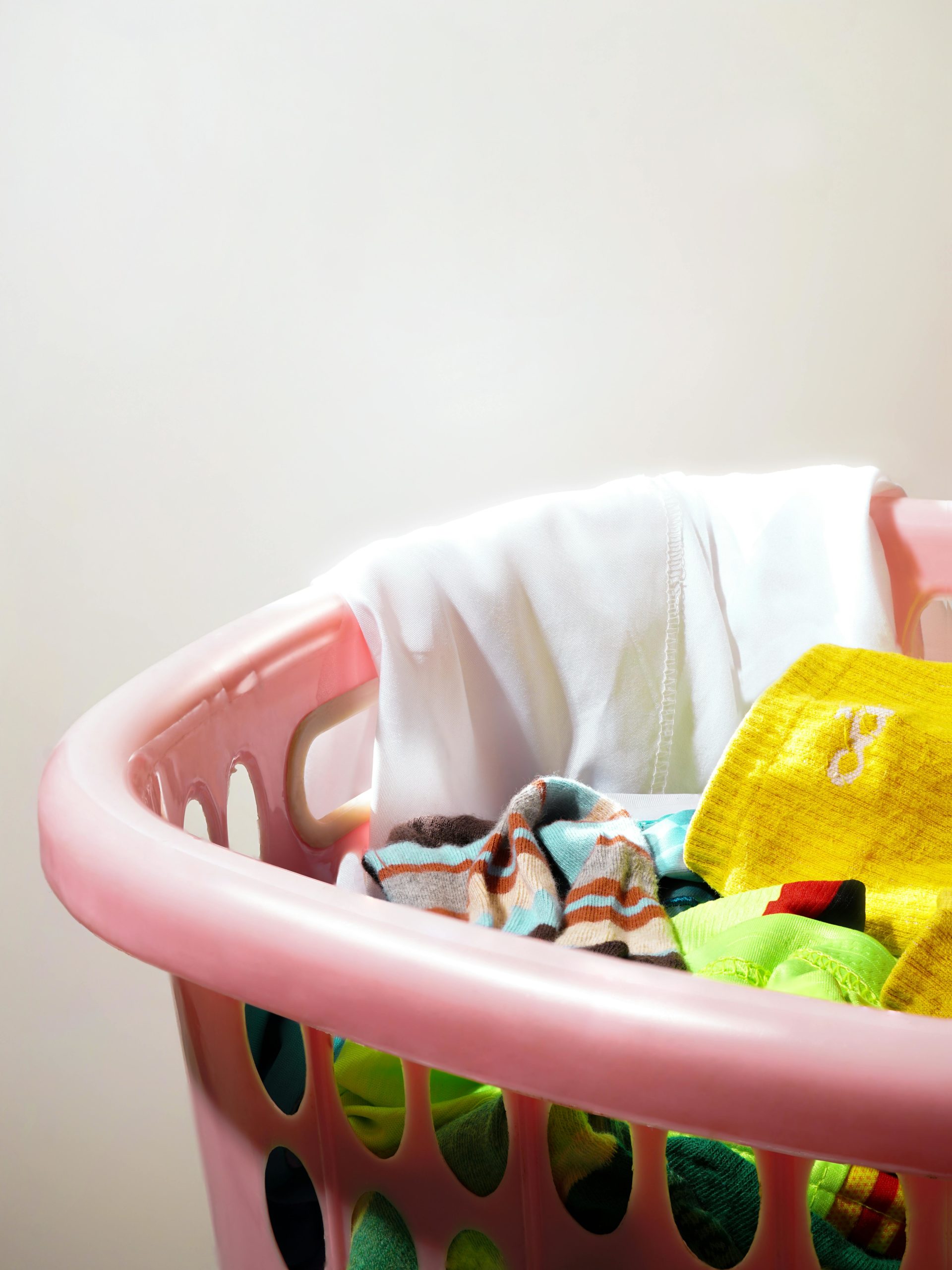
It happens. You’re living your best life in your favourite dress, shirt or jersey, and bam! That juicy burger spills onto your chest, or you flip the wors on the braai, and the fatty juices spill right onto your jeans. Don’t even mention the state of your kitchen apron or tea towels (cooking gets messy). Luckily, grease stains, whether old or new, can be lifted, and that favourite pair of jeans can be saved (thank heavens).
Use our guide to help you restore some of your or your loved ones’ clothes, aprons, and even tea towels.
How to lift grease stains
Grease is one of the toughest stains to lift because it’s oil-based (i.e., hydrophobic) and likes to bind to fibres. Water-based detergents just won’t get the job done – which means you’ll have to use some patience and a little elbow grease instead.
Instead of spraying on a stain remover and chucking the garment into the washing machine, go to your cupboard/pantry and collect these items instead:
- Mild liquid dish soap (Sunlight works well here)
- Bicarbonate of soda (alternatives include salt, cornstarch, or talcum powder)
- Soft-bristled brush, or a clean toothbrush
- Clean, white cloths or kitchen paper towels
- Laundry detergent (your usual/go-to brand here is perfect)
- Warm or hot water
Step-by-step grease removal
If the stain is new/recent, use paper towels to blot the excess – it’s important that you blot and don’t rub here, as rubbing will cement the grease stain into the garment. If you’re dealing with an older stain, follow the same steps and repeat as necessary.
- Blot excess grease; avoid wetting the stain during this process.
- Generously sprinkle over an absorbent powder, like bicarb (or the alternatives listed above). Let this sit for about 30 minutes before shaking or brushing off the excess.
- Drizzle one or two drops of dish soap and gently rub it into the garment with your fingers or a soft-bristled brush. Ensure you keep to the size of the stain and don’t go beyond its border.
- Leave the soap to soak into the material for 5 to 10 minutes, allowing the dish soap to work its magic.
- Rinse the soapy stain with warm water to emulsify the soap and dissolve the grease. For robust fabrics, you can rinse directly under running warm water, and for delicate fabrics, you can gently dab and soak the area in warm water.
- Now, launder the garment immediately. Pop it into the washing machine using your go-to detergent, and run on the hottest water temperature recommended for the fabric on the care label. You may spray on some stain remover if you wish to boost this step.
- Air dry instead of tumble drying (which can set any leftover grease marks).
- If the stain persists, repeat the steps as necessary.
For stubborn grease stains
If you’re dealing with a stubborn or old stain, follow these steps:
- In a small bowl, mix equal parts bicarb and dish soap to create a thick paste.
- Spread a thick layer of this directly onto the stain, using your fingers or the back of a spoon.
- Gently agitate/massage the paste into the fibres using a soft-bristled brush. Allow to sit for around 15 minutes and up to an hour.
- Rinse the paste out with warm water.
- Launder immediately as described above.
- Air dry and inspect the garment.
- Repeat as necessary.
Also See: Removing wine stains: Tips and tricks for carpets, couches, and clothes
Removing wine stains: Tips and tricks for carpets, couches, and clothes
