
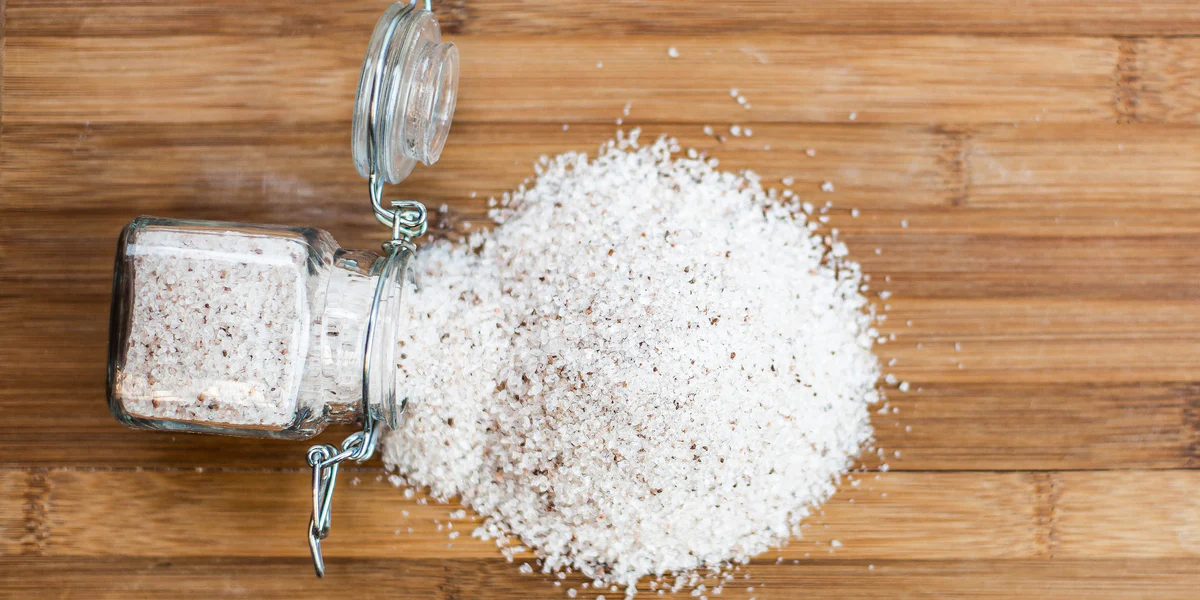
There’s something oddly comforting about reaching for salt while cooking. A pinch over tomatoes, a scatter into pasta water, a final flourish on warm chips. It feels simple – until a recipe calls for kosher salt and all you have is the regular shaker on the counter.
Turns out, these two pantry staples are not interchangeable spoon for spoon. And yes, that can be the reason your soup tastes spot on… or wildly over-seasoned.
It’s all about the crystal
At first glance, salt is salt. But kosher salt and table salt are shaped differently, and that changes how they behave in your food.
- Kosher salt has larger, flaky crystals. It’s easy to grab between your fingers and sprinkle evenly, which is why so many cooks love using it while seasoning as they go. It gives you more control — and fewer salty surprises.
- Table salt is much finer and more compact. Those tiny grains pack tightly into a teaspoon, which means you’re getting more salt in the same scoop.
So if a recipe asks for one teaspoon of kosher salt and you swap in one teaspoon of table salt, your roast chicken may come out tasting far more enthusiastic than intended.
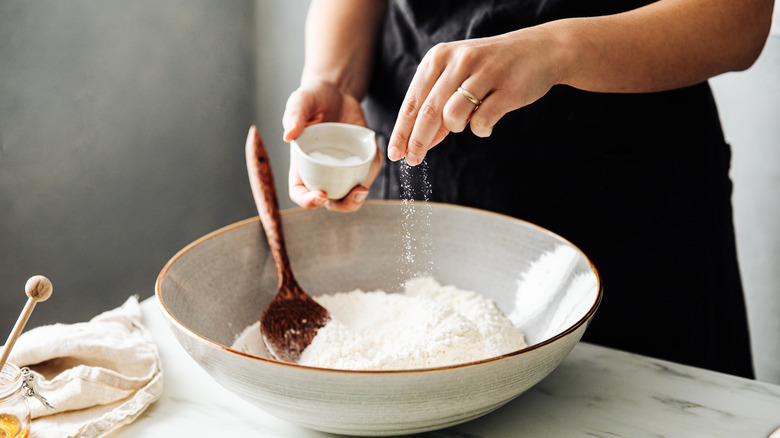
Why they taste slightly different
It’s not only the size. Table salt often contains added iodine and anti-caking agents to stop clumping. Practical? Absolutely. But some people notice a faint metallic aftertaste, especially in delicate dishes.
Kosher salt is usually more straightforward – just salt, without extras. That clean taste is why it’s often the quiet hero in home kitchens.
Which salt should you use?
Kosher salt shines in everyday cooking. Seasoning meat, salting veg before roasting, finishing a tray of golden potatoes – it’s made for those instinctive, hands-on moments.
Table salt is your baking bestie. It dissolves quickly and blends evenly into cake batter, bread dough and sauces where precision matters.
The easy swap rule
If you’re substituting, use less table salt than kosher. A rough guide: if the recipe asks for 1 teaspoon of kosher salt, start with about ½ to ¾ teaspoon of table salt.
ALSO SEE: Over-salty food? 5 Easy fixes
