
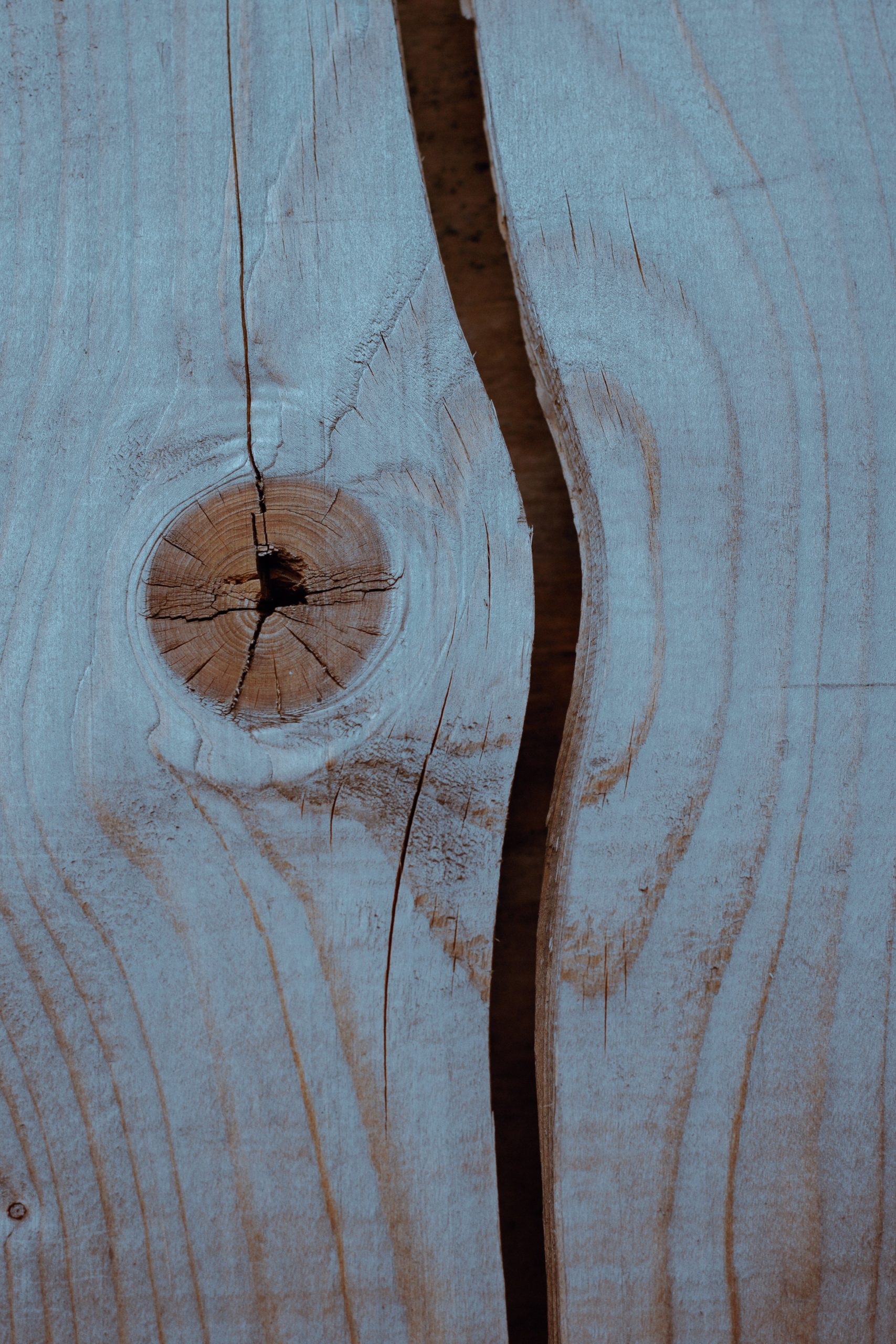
Wooden chopping boards are built to last, but without the right care, even the best ones can crack over time. Whether it’s from soaking, dishwasher cycles, or simply drying out, these cracks aren’t just cosmetic. They can trap food particles and moisture, making your board harder to clean and potentially less hygienic.
Here’s why wooden chopping boards crack, how to repair minor damage and the best ways to keep them in top condition for years to come.
Why do wooden chopping boards crack?
The simplest answer? Because wood “moves”. Not in the way you and I move to the fridge to see what we can snack on, but how the fibres of wood expand and contract. The fibres expand when it absorbs water and moisture. It contracts when that water or moisture is lost. And when one side or part of the wooden fibres dries faster than the other, tension builds and eventually gives way in the form of a major crack or smaller and finer cracks.
There are 6 main culprits for cracks:
- Soaking
- Washing in the dishwasher
- High heat
- Lack of oiling/maintenance
- Poor-quality wood
- Improper storage
Avoiding these culprits should prolong the life of your wooden chopping board and prevent cracks. While a crack here or there may not seem a big deal, they are. Cracks of any kind mean that small bits of food and other substances can fall and be trapped inside the spaces created by cracks. And washing the boards may not always get rid of this debris. When left there, the debris will go off, attract harmful bacteria, and create unwanted odours. These harmful bacteria will cause cross-contamination every time you use the board – which can potentially make you sick.
How to avoid cracks
It is very important to use and care for wooden boards correctly:
- Wash by hand: Instead of soaking or popping your wooden chopping board into the dishwasher, wash in warm, soapy water with a soft sponge. Keep the plastic boards for a wash in the dishwasher. If they need a deep clean, read our guide here.
- Dry immediately: Do not leave soaked boards flat when drying. Dry off excess water with a dry, clean kitchen towel and then stand it upright on one side so both sides can dry evenly.
- Avoid high heat and direct sunlight: Never store wooden chopping boards on hot surfaces or use them as a trivet for hot pans or pots. Avoid drying wooden boards on hot surfaces or in direct sunlight either.
- Oil your board every 2 to 4 weeks: Use mineral oil or a wooden board conditioner to maintain your board. Leave it to soak and wipe away the excess after 20 minutes. Avoid olive oil as it can go rancid.
- Store properly: Wooden boards need ventilation. Store upright, ensuring there is sufficient airflow around both sides of the board. Never stack damp boards together.
- Buy good-quality wooden boards: Avoid poor-quality wooden boards and look for woods like bamboo, acacia, maple, cherry, birch and walnut.
Ways to fix cracks
If you’re dealing with small, hairline cracks, it is possible to fix them at home. A high-quality food-safe wood glue and some fine sandpaper can easily do the trick.
- Wipe the board clean and ensure any food debris has been removed. Ensure the board is completely dry.
- Apply the food-safe wood glue to the crack (you can use a toothpick or a gloved finger to help you).
- Leave to dry completely (overnight or for a whole day).
- Use the sandpaper to gently sand down the glue, so it becomes flush with the surface.
- Apply a thin layer of wood oil and let this sit for 20 minutes. Wipe away the excess before storing.
If you’re dealing with a crack that’s more than a millimetre, as in a huge gap has appeared, then you should take it to a professional woodworker who can repair it.
If, however, the crack has split the board into separate pieces, it’s time to use it for something else that doesn’t involve food prep or toss it out.
