
Few spices are as prized as saffron. Known for its rich golden colour, distinctive aroma and delicate flavour, it has earned a place in kitchens around the world. But this coveted ingredient, often called red gold, is facing a growing threat as climate change, urban development and food fraud put traditional saffron production under pressure.
According to a report by the BBC, Kashmir’s centuries-old saffron industry is experiencing a significant decline, leaving local farmers concerned about both their livelihoods and the future of a spice deeply woven into the region’s food culture.
What makes saffron so special?
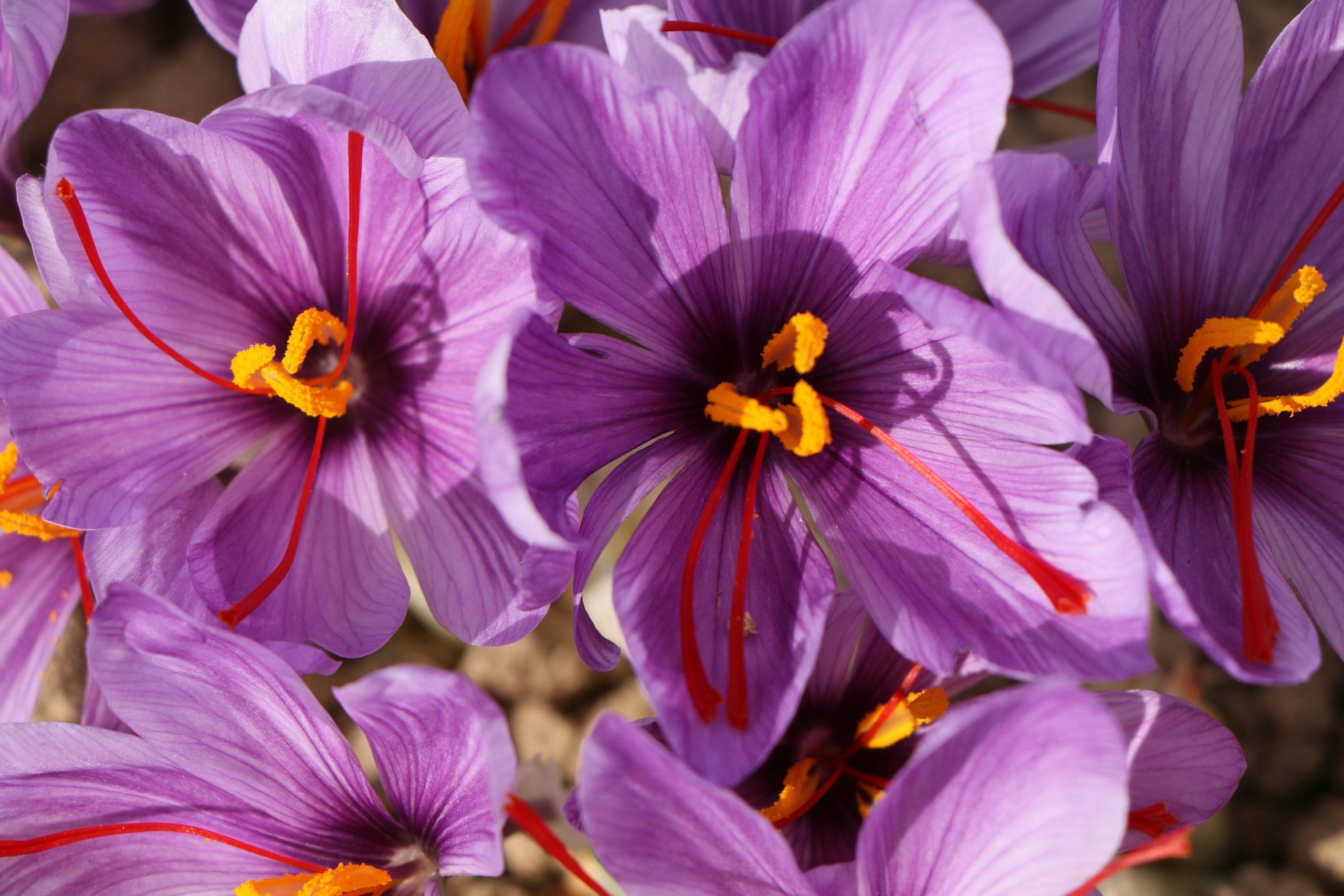
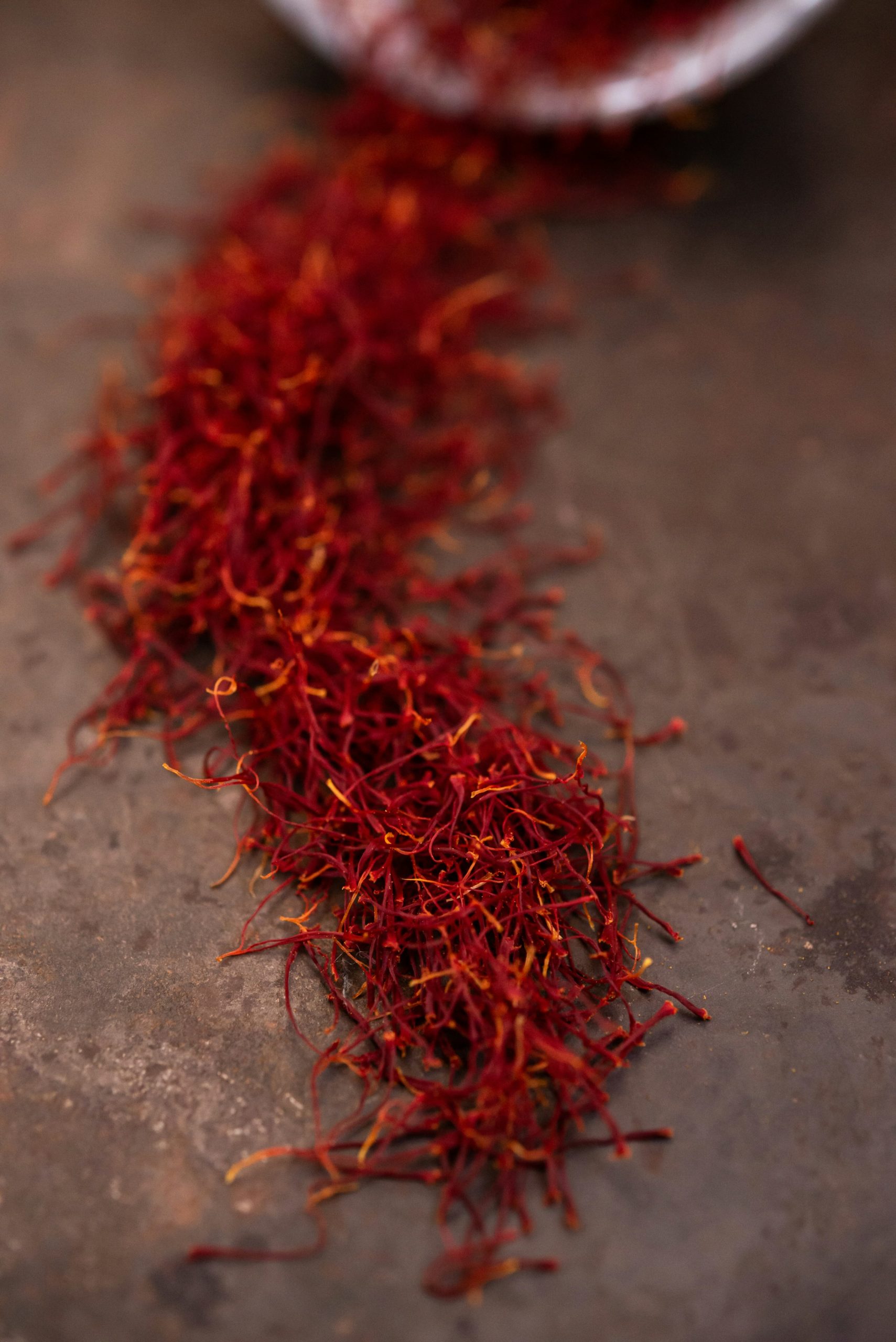
Saffron comes from Crocus sativus, a purple-flowering plant that produces just three crimson stigmas inside each flower. These tiny threads are carefully harvested by hand and dried to create the spice used in everything from rice dishes and curries to desserts, baked goods and traditional drinks.
The process is remarkably labour-intensive. Approximately 4,000 flowers are needed to produce just 28g of saffron, and the plant flowers for only two to four weeks each year. Harvesting is usually done by hand before sunrise to help preserve the quality of the delicate threads.
Its distinctive flavour, fragrant aroma and ability to impart a deep golden-yellow colour to food have made saffron a prized ingredient for centuries. It is particularly popular in Middle Eastern, Indian, Persian and Mediterranean cooking.
Although saffron was cultivated thousands of years ago in areas including present-day Iran, Greece and Central Asia, it eventually found a home in Kashmir through Persian influence and trade.
Kashmiri saffron is especially sought after for its deep crimson colour, thick threads and strong aroma. It is also known for its high levels of crocin, the natural pigment responsible for its characteristic colour.
Why is saffron becoming harder to produce?
Kashmir’s Pampore region has been synonymous with saffron cultivation for generations. During the autumn harvest, its elevated fields would traditionally be covered in purple flowers, with families gathering before sunrise to collect the blooms.
However, increasingly unpredictable weather patterns are affecting harvests.
BBC reporting highlights how changing rainfall patterns, longer dry spells and reduced snowfall in the western Himalayas are contributing to difficult growing conditions. Saffron relies on moisture at particular stages of its growing cycle, particularly during August and September, when rainfall helps support flowering and the development of the underground corms from which the plants grow.
For farmers, the difference can be substantial. One grower interviewed by the BBC reported harvesting just 250g of saffron in 2025, compared with approximately 1.5kg the previous year.
The challenges extend beyond the weather. Expanding residential developments, road construction and commercial buildings are gradually replacing some of the agricultural land traditionally used for saffron cultivation.
Farmers are also dealing with damage to their crops from porcupines and rats, which dig up and destroy the underground corms.
The problem with fake saffron
Another challenge facing the industry is the sale of counterfeit and incorrectly labelled saffron.
Iran produces approximately 90% of the world’s saffron, making it a major player in the global spice trade. However, imported Iranian saffron is sometimes repackaged and sold as Kashmiri saffron, taking advantage of the latter’s reputation and higher market value.
According to the BBC, some fraudulent products also involve safflower or turmeric being substituted for saffron, while others contain artificial or potentially hazardous dyes.
This is particularly concerning for consumers who pay a premium for authentic saffron. It also puts additional pressure on genuine Kashmiri growers, whose products must compete with cheaper imports and misleading labelling.
Efforts are being made to improve certification and introduce electronic traceability systems to help verify where saffron comes from. However, farmers say that more consistent enforcement is needed.
Can the world’s red gold be saved?
There are efforts to protect saffron production, including improved irrigation systems, better preservation of saffron corms and research into growing the crop in controlled indoor environments.
Scientists in Kashmir are investigating how carefully regulated temperature, humidity and light can improve flowering consistency while reducing the impact of unpredictable weather.
These developments offer some promise, but protecting the remaining agricultural land is equally important. Once traditional saffron fields are replaced by buildings and roads, they are unlikely to return to cultivation.
For the families of Pampore, saffron is about more than its market price. Generations have built their livelihoods around the annual harvest, with the preparation and separation of the delicate crimson threads forming part of their family traditions.
As the industry faces mounting pressure, preserving saffron means protecting not only a prized culinary ingredient but also the knowledge, traditions and communities that have kept it growing for centuries.
ALSO SEE: 5 homemade spice blends to make weeknight cooking easier
Feature image: Unsplash
