
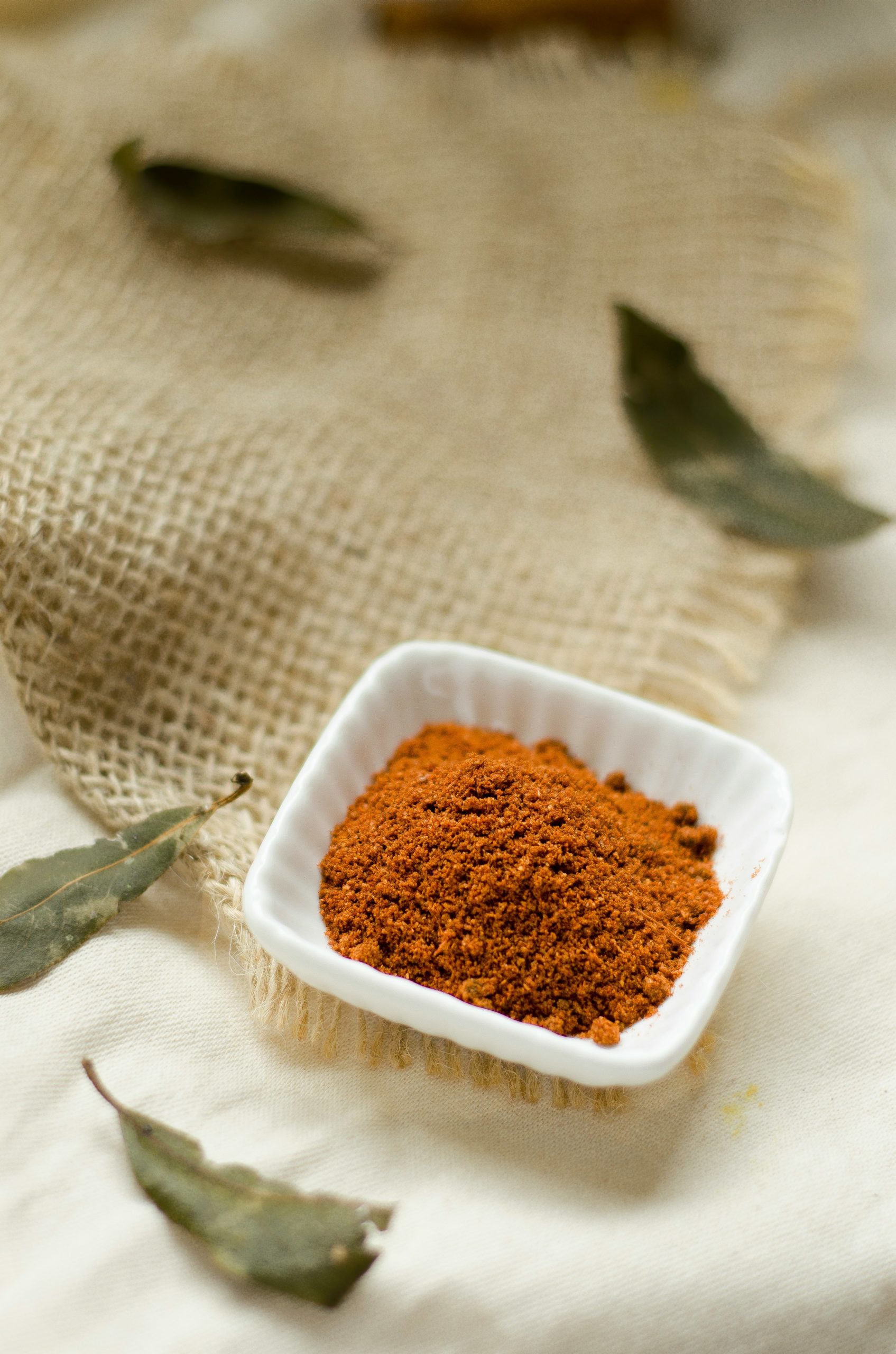
After a long day, the last thing most of us want to do is spend ages figuring out what to cook. Having a few homemade spice blends ready in the kitchen can make a surprising difference, turning everyday ingredients into flavourful meals without the need to measure out several individual spices every time.
The best part is that most blends use ingredients you probably already have in your spice cupboard. They are easy to prepare in batches, can be adjusted to suit your family’s preferences and are useful for everything from chicken and mince to roasted vegetables, soups and rice dishes.
Rather than buying a different seasoning for every meal, try making these five versatile homemade spice blends. Keep them in labelled jars and you’ll have a handy starting point for those busy weeknight dinners.
1. Everyday braai spice
Best for: Chicken, steak, roasted potatoes and vegetables.
A good braai spice is useful for much more than the weekend braai. This South African-inspired blend combines coriander, paprika, garlic and black pepper for a savoury seasoning that works just as well in the oven or frying pan.
Ingredients:
-
2 tbsp ground coriander
-
1 tbsp sweet paprika
-
1 tsp smoked paprika
-
1 tbsp garlic powder
-
1 tsp onion powder
-
1 tsp ground black pepper
-
1 tsp dried thyme
-
½ tsp chilli flakes (optional)
-
1 tsp salt (optional)
How to make it:
Combine all the ingredients in a bowl and mix until evenly distributed. Transfer to a clean, airtight jar.
How to use it:
Rub over chicken pieces with a little olive oil before roasting or grilling. Sprinkle over potato wedges, sweet potato or butternut before placing them in the oven. It also works well as a seasoning for steak, pork chops and homemade burgers.
Quick dinner idea: Coat chicken thighs in the spice blend and a little oil, then roast until cooked through. Serve with a simple green salad and roasted potatoes.

2. Everyday curry spice blend
Best for: Chicken curries, mince, lentils and vegetable stews.
Curry is a regular feature in many South African kitchens, but having a homemade blend ready makes it easier to put together a flavourful meal without reaching for several different jars.
This is a versatile, medium-warm curry blend rather than a traditional regional masala. It combines cumin, coriander and turmeric with ginger, cinnamon and chilli for a balance of earthy, warm and slightly spicy flavours.
Ingredients:
-
2 tbsp ground coriander
-
1 tbsp ground cumin
-
1 tbsp turmeric
-
2 tsp ground ginger
-
1 tsp paprika
-
1 tsp ground cinnamon
-
½ tsp ground cardamom
-
½ tsp ground black pepper
-
½ tsp chilli powder (adjust to taste)
How to make it:
Combine all the spices in a bowl, breaking up any lumps before transferring the mixture to an airtight jar.
How to use it:
Add 1–2 tablespoons to sautéed onions and garlic when making a chicken or vegetable curry. Stir for about 30 seconds before adding tomatoes, stock or coconut milk. This helps release the aromas of the spices and builds flavour into the sauce.
You can also use it to season mince, lentils, chickpeas and roasted cauliflower.
Quick dinner idea: Fry an onion, add chicken pieces and 1–2 tablespoons of the curry blend, then stir in chopped tomatoes and a little coconut milk. Simmer until the chicken is cooked through and serve with rice or roti.
Kitchen note: South African curry traditions are varied. Durban-style curries are generally known for their more pronounced heat, while Cape Malay cooking often incorporates aromatic spices such as cardamom and cinnamon. This homemade recipe is an everyday starting point, not a substitute for either traditional blend.
3. Homemade peri-peri seasoning
Best for: Chicken, prawns, roasted vegetables and chips.
For those who enjoy a little heat, peri-peri seasoning is a handy addition to the spice cupboard. It brings together chilli, garlic, paprika and herbs for a punchy blend that can be used as a dry rub or mixed with oil and lemon juice to make a quick marinade.
Ingredients:
-
1 tbsp sweet paprika
-
1 tsp smoked paprika
-
2 tsp garlic powder
-
1 tsp onion powder
-
1 tsp dried oregano
-
1 tsp dried thyme
-
1 tsp chilli flakes or cayenne pepper
-
½ tsp ground black pepper
-
½ tsp ground coriander
-
½ tsp salt (optional)
How to make it:
Mix all the ingredients together and store in a clean, airtight jar.
How to use it:
Rub over chicken wings, drumsticks or fillets with olive oil before grilling, pan-frying or roasting. For a quick marinade, mix 1 tablespoon of the seasoning with olive oil and lemon juice. You can also stir a little into mayonnaise or plain yoghurt for a spicy dipping sauce.
Adjust the chilli to suit your household. If you prefer a milder seasoning, reduce the cayenne or chilli flakes.
Quick dinner idea: Coat chicken drumsticks in the seasoning, olive oil and lemon juice. Roast until golden and cooked through, then serve with a simple coleslaw and oven chips.
4. Italian herb seasoning
Best for: Pasta, tomato sauces, chicken and roasted vegetables.
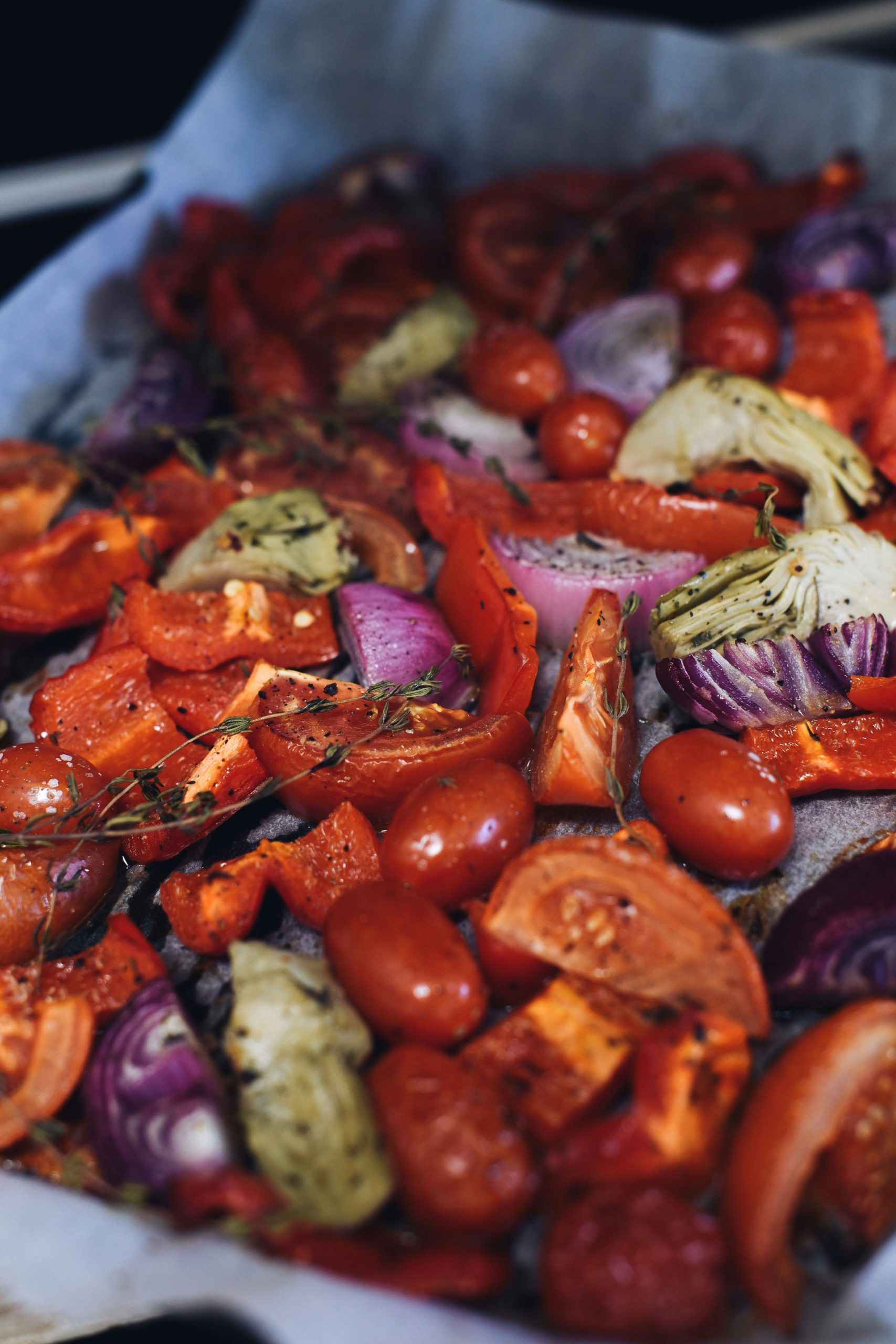
A jar of Italian herb seasoning is particularly useful when you need to put together a quick pasta dish or add flavour to a simple tomato sauce. It relies on dried herbs rather than a long list of spices, making it one of the easiest blends to prepare.
Ingredients:
-
2 tbsp dried oregano
-
2 tbsp dried basil
-
1 tbsp dried thyme
-
1 tbsp dried rosemary, crushed
-
1 tbsp dried parsley
-
1 tsp garlic powder
-
½ tsp chilli flakes (optional)
How to make it:
Combine the dried herbs and garlic powder in a bowl. Crush larger rosemary pieces between your fingers before mixing everything together. Transfer to an airtight jar.
How to use it:
Add 1–2 teaspoons to tomato-based pasta sauces, sprinkle over chicken before baking or mix with olive oil for a simple dressing for roasted vegetables.
It also works well in homemade pizza sauce, garlic bread and soups.
Quick dinner idea: Sauté garlic in olive oil, add a tin of chopped tomatoes and 1–2 teaspoons of the herb blend. Simmer for a few minutes, season to taste and toss through cooked pasta. Add grated Parmesan or a little feta before serving.
5. Homemade taco seasoning
Best for: Mince, chicken, beans, wraps and tacos.
Taco seasoning is a useful alternative to pre-packaged sachets, particularly if tacos, wraps and mince dishes feature regularly on your weekly menu. Making your own also means you can control the salt and chilli levels.
Ingredients:
-
1 tbsp chilli powder
-
1 tbsp ground cumin
-
1 tbsp sweet paprika
-
2 tsp garlic powder
-
2 tsp onion powder
-
1 tsp dried oregano
-
½ tsp ground coriander
-
½ tsp ground black pepper
-
½ tsp cayenne pepper (optional)
-
1 tsp salt (optional)
How to make it:
Mix all the ingredients together until evenly combined. Store in a clean, airtight jar.
How to use it:
Add approximately 1–2 tablespoons to 500g of mince while cooking. Stir well to coat the meat, then add a splash of water or tomato to help distribute the seasoning. Allow it to simmer until the liquid has reduced.
The blend is also great for chicken strips, roasted chickpeas, beans and homemade quesadillas.
Quick dinner idea: Brown mince with chopped onion, add the taco seasoning and a splash of water, then simmer until cooked. Serve in wraps or taco shells with lettuce, chopped tomato, grated cheese and avocado.

How to store homemade spice blends
Making your own spice blends is straightforward, but storing them correctly is important if you want to preserve their flavour and aroma.
-
Use airtight containers: Glass jars with tightly fitting lids are ideal for keeping moisture out.
-
Keep them dry: Make sure your jars and utensils are completely dry before adding the mixtures. Even a little moisture can cause clumping.
-
Store away from heat: Keep your spice blends in a cool, dry cupboard, away from direct sunlight, the oven and the stove.
-
Label your jars: Include the name of the blend and the date it was prepared so you can keep track of freshness.
-
Make smaller batches: Ground spices and dried herbs gradually lose their potency. Making smaller quantities means you’re more likely to use them while they’re still fragrant.
For the best flavour, aim to use homemade blends within three to six months. Discard any mixture that has become damp, developed an unusual smell or shows signs of insects.
Tips for getting the most out of your spice blends
Adjust the salt. Some recipes include salt, but you can leave it out and season your food separately. This gives you more control, particularly when cooking with stock, sauces or other salty ingredients.
Bloom your spices for extra flavour. When making curries, stews and sauces, try adding your spice blend to a little warm oil towards the beginning of cooking. This helps release aromatic compounds and distribute flavour throughout the dish. Keep the heat moderate and stir continuously so the spices don’t burn.
Toast whole spices first. If you have whole coriander or cumin seeds, lightly toast them in a dry frying pan before grinding them. Allow them to cool before mixing with the other ingredients. This adds another layer of aroma and flavour.
Don’t shake spices over a steaming pot. Rather measure what you need into a spoon or small bowl first. Steam entering the jar can introduce moisture and encourage clumping.
ALSO SEE: Braaied bobotie-spiced chicken with rice noodles
Feature image: Unsplash
