
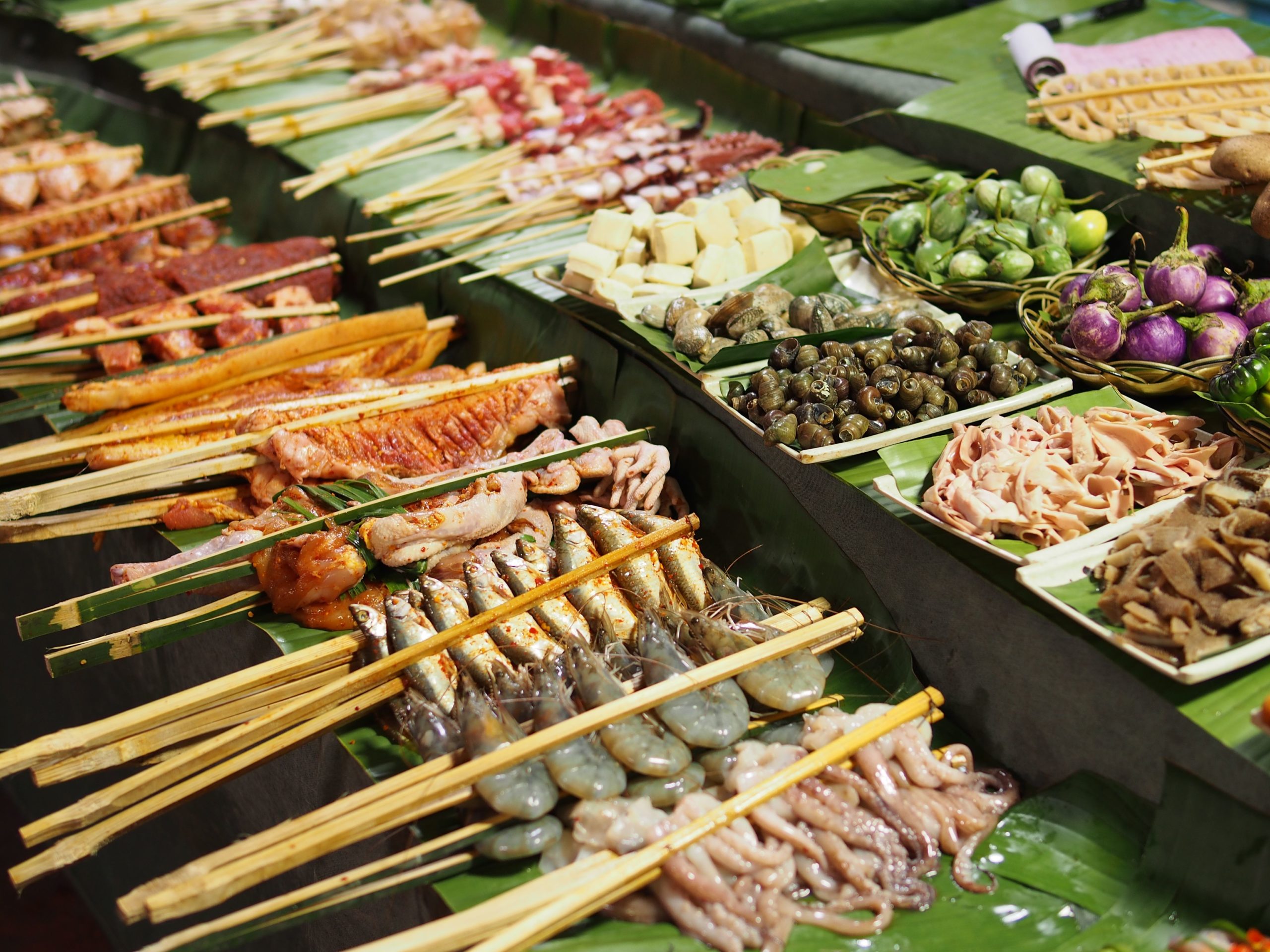
The true magic of food photography doesn’t happen under the clinical glare of studio strobes or against a seamless piece of white poster board. It happens where the food is born, cooked, and celebrated, writes Vanessa Rogers.
Capturing cuisine in its natural setting – a bustling open-air night market, a sun-drenched Turkish olive grove, or a moody, steam-filled ramen shop – raises the profile of an image from a mere digital menu item to a powerful piece of visual storytelling.
More Than a Menu Item
When we step out of the controlled studio environment, we embrace a living, breathing canvas. Food is fundamentally tied to culture, geography, and human connection. Isolating a dish from its environment strips away its history.
Conversely, capturing a plate of freshly caught seafood right on the wooden deck of a fishing boat, with the ocean spray still sparkling on the hull, provides immediate context. The viewer doesn’t just see the meal; they smell the saltwater, feel the breeze, and understand the journey from sea to table.
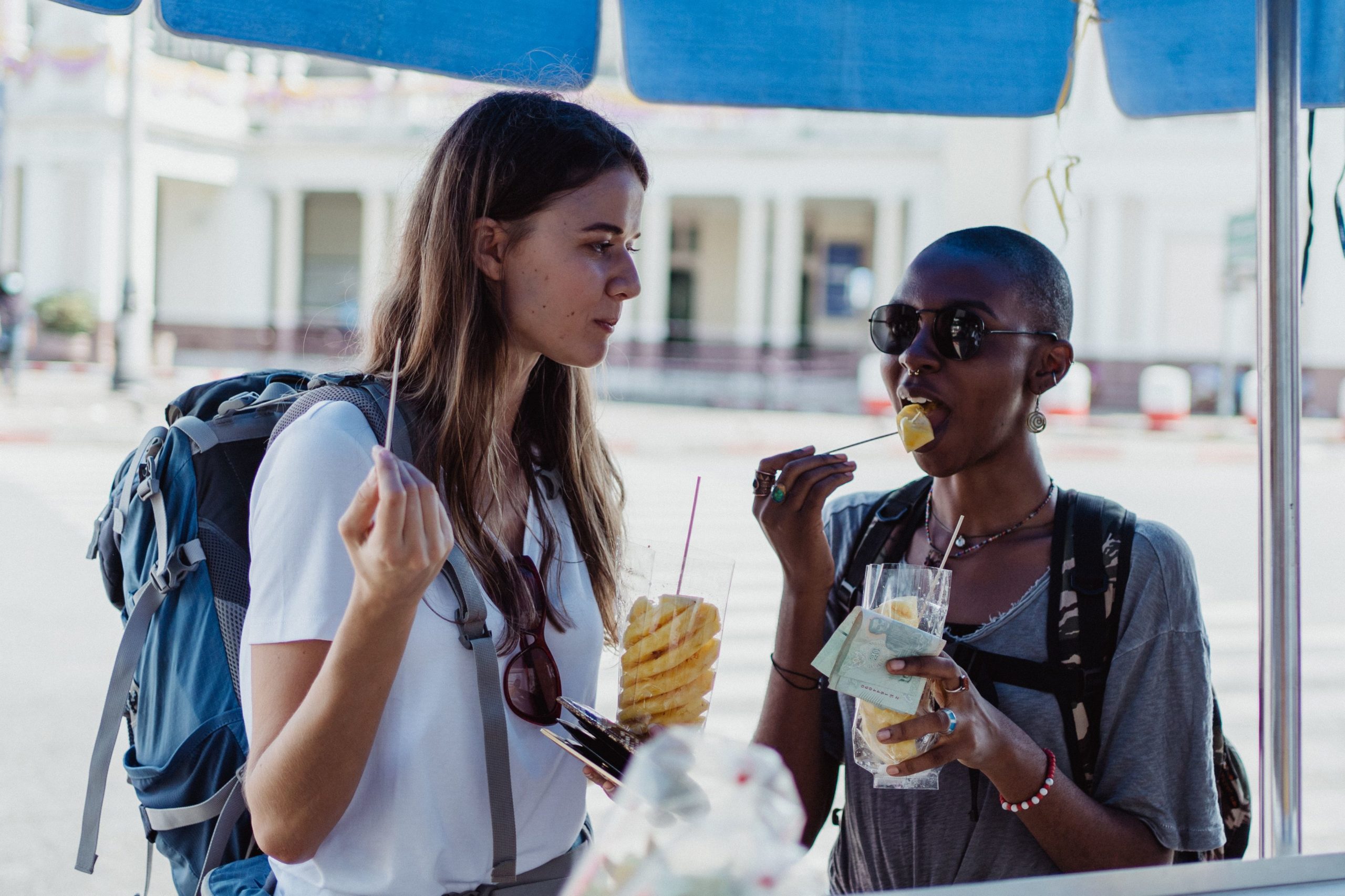
Mastering Environmental Framing
Natural environments inherently provide a rich tapestry of textures and layers that money simply cannot buy in a prop shop. Think of the weathered hands of an artisan baker throwing flour onto a centuries-old cypress kneading table, or the rhythmic, energetic calls of vendors echoing through a Japanese seafood market. These elements introduce a critical photographic concept: environmental framing.
By shooting through a haze of rising ramen steam or placing a soft-focus background of hanging copper tamagoyaki pans behind a simmering stew, you are able to create depth. This very depth draws the viewer’s eye directly to the focal point – the food itself – while wrapping it in an authentic atmosphere.
Embracing the Poetry of Ambient Light
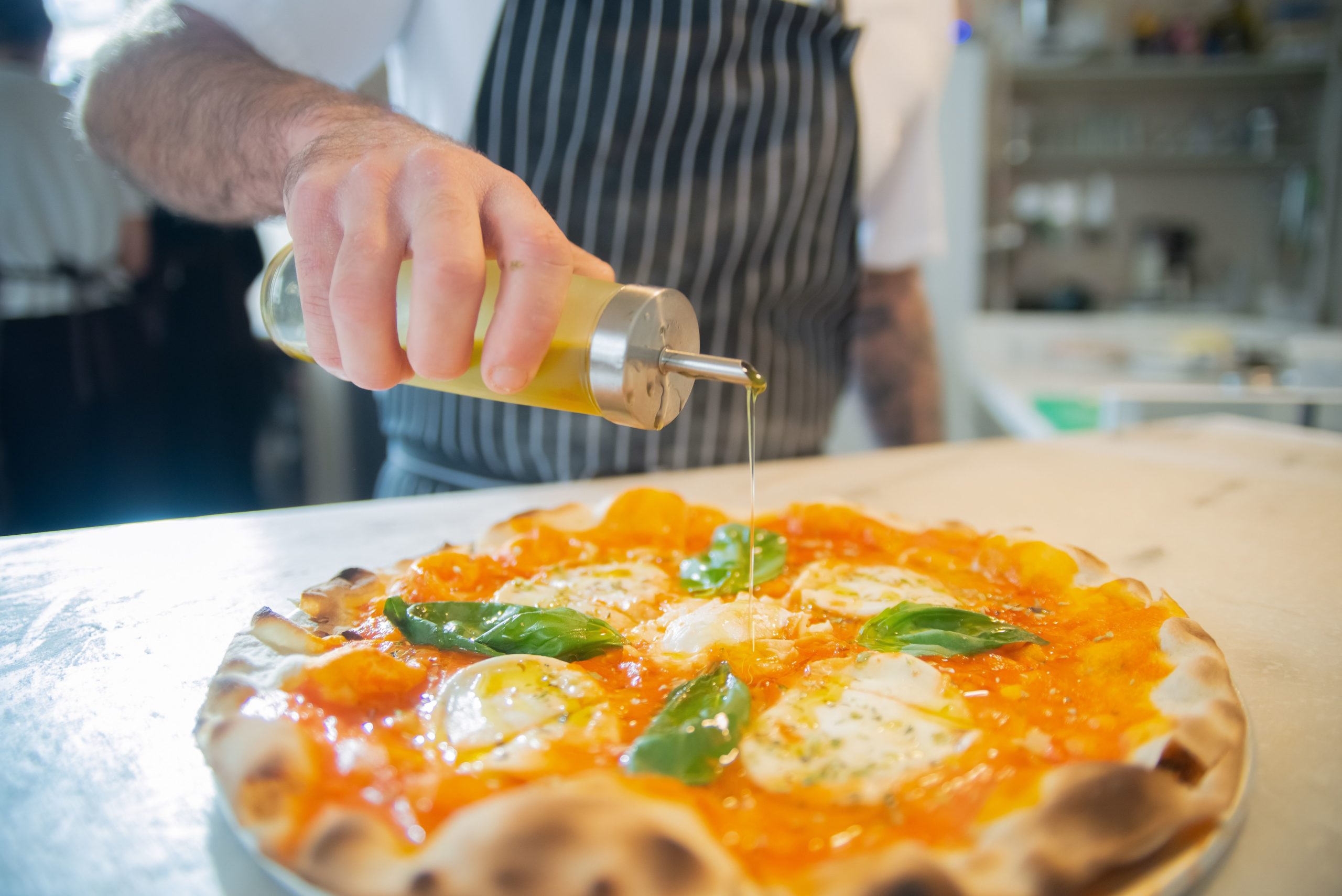
Operating in a natural setting also demands that we surrender control to the available natural light. While artificial lighting can mimic the sun, it rarely captures the poetic unpredictability of real-world ambient light. The golden hour slipping through the cracked shutter of a Tuscan villa illuminates a pour of olive oil with a warm, ethereal glow that feels 100 percent honest.
Even the harsh, directional midday sun of an outdoor Chilean market can be harnessed to create dramatic, high-contrast shadows that mirror the bold, spicy flavours of the local completo or empanada. Learning to read, modify, and respect the light that’s available in a specific location forces a photographer to be reactive, creative, and deeply present.
Capturing Life, Not Just Food
Furthermore, a natural setting introduces the most vital element of all: humanity. In a studio, human interaction often feels staged – a manicured hand holding a fork at a perfectly calculated angle. In the wild, human interaction is genuine. It is the laughter of a family passing platters of pasta family-style, the intense focus of a sushi chef slicing fresh tuna, or the smoke billowing around a street vendor as they flip skewers over hot coals.
Including these human elements – even just as a motion-blurred figure in the background, or a hand reaching into the frame – adds a heartbeat to your photography. It shifts the narrative from “Look at this food” to “Look at this life.”
Read the Room Before You Shoot
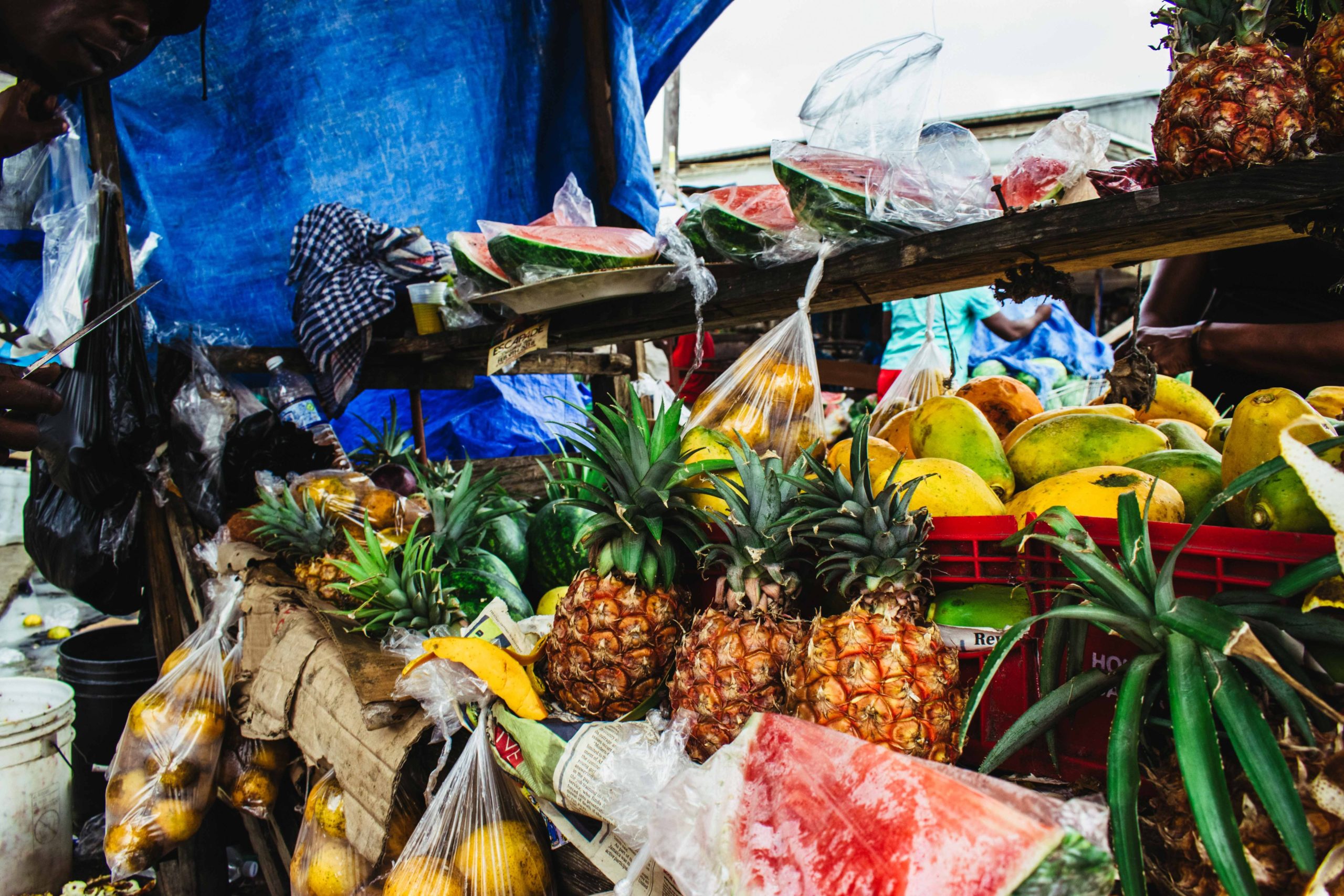
To successfully capture cuisine in its natural habitat, a photographer must practise the art of observation. Instead of immediately moving plates and adjusting chairs, sit back and watch how the environment moves. Where does the light hit the table? What are the ambient colours of the room? A rustic tavern may demand rich, moody underexposure to capture its cozy essence, while a beachfront fruit stall may require bright, high-key saturation to mimic the tropical heat.
Ultimately, the beauty of capturing cuisine in its natural setting lies in its truth. It tells a complete story about what we eat, where it comes from, and who made it. By stepping away from artificial perfection and embracing the beautiful chaos of the real world, your food photography will transform from simple pictures of plates into windows of cultural discovery.
• Go to Travex.com to find your next bucket list photographic destination.
ALSO SEE: The 7 top restaurants for the ultimate Joburg skyline & sunset views
The 7 top restaurants for the ultimate Joburg skyline & sunset views
