
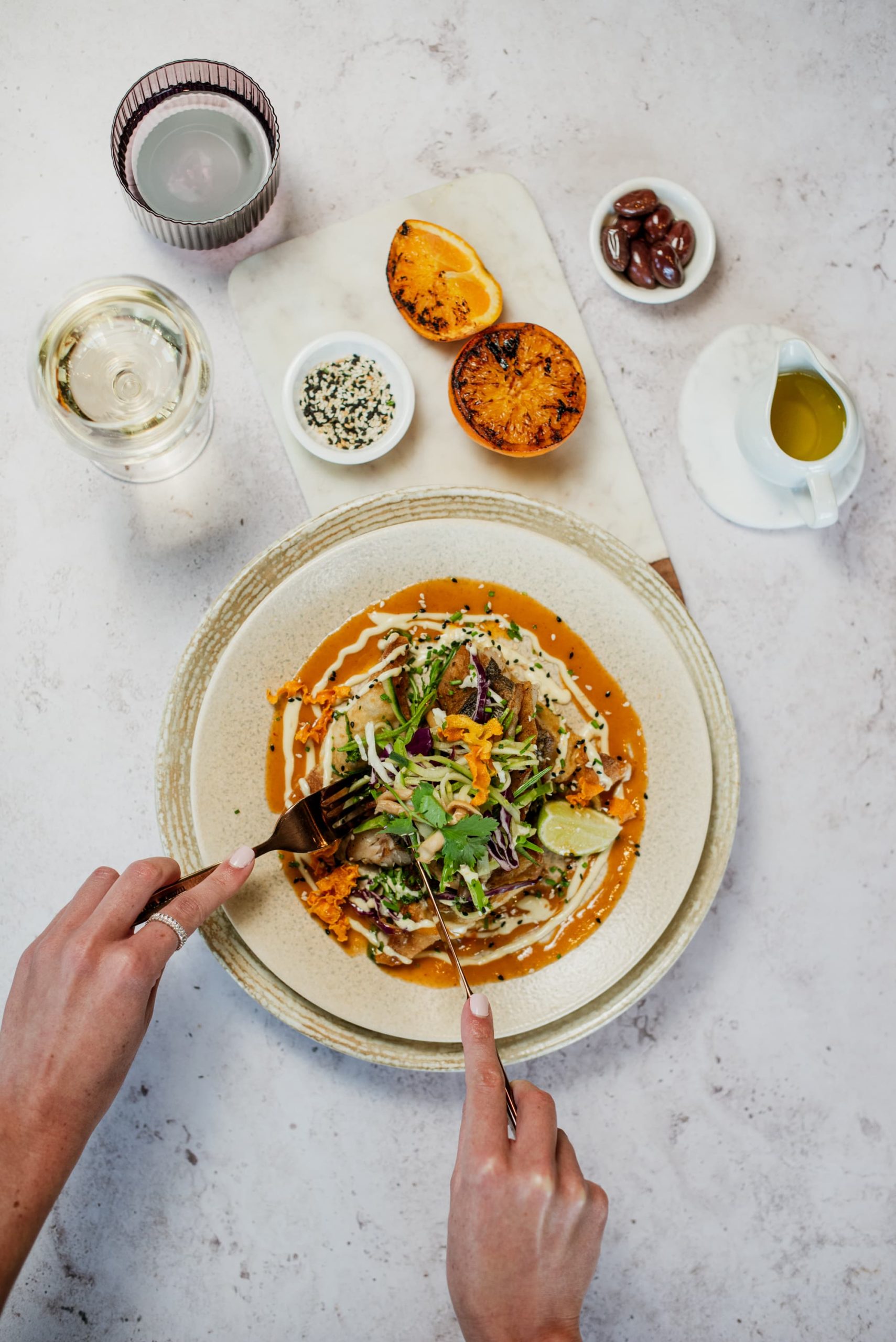
For generations, fine dining was defined by formality. White tablecloths, polished service, elaborate etiquette and carefully choreographed meals all formed part of the experience. Today, however, the idea of luxury dining is shifting, with diners placing greater value on warmth, personal service and the feeling they take away from a meal.
According to the National Restaurant Association’s 2025 State of the Restaurant Industry Report, 64% of full-service restaurant customers say the dining experience is more important than the price of the meal. OpenTable’s 2025 Dining Trends research similarly reported a 27% increase in experiential dining bookings, pointing to growing interest in restaurant visits that offer something beyond the meal itself.
The shift reflects a broader change in what diners expect from restaurants. Exceptional food remains important, but so are atmosphere, hospitality, provenance and the opportunity to spend meaningful time with the people around the table.
From formality to hospitality
Some of the world’s most recognised restaurants have helped redefine what a high-end dining experience can look like. Noma in Copenhagen has placed a strong emphasis on provenance and storytelling, while London’s The Connaught has demonstrated how personalised hospitality can be central to a luxury restaurant experience.
South African restaurants are also reflecting this change. Farro, Post & Pepper and De Tafel at The Palms each offer their own interpretation of refined dining while placing an emphasis on warmth, individuality and a less formal approach to hospitality.
Chef Kerry Kilpin, Executive Chef at Steenberg Farm, says diners are increasingly looking for luxury without unnecessary ceremony.
“Guests are still looking for exceptional food and service, but they want the experience to feel effortless,” she says. “Luxury today is less about formality and more about feeling genuinely welcomed, comfortable and cared for.”
That welcome can have a lasting effect.
“People don’t want to feel like just another table in the restaurant,” says Kilpin. “They want to feel acknowledged. They want connection. When guests leave, the feeling they take away with them is often what they remember most.”
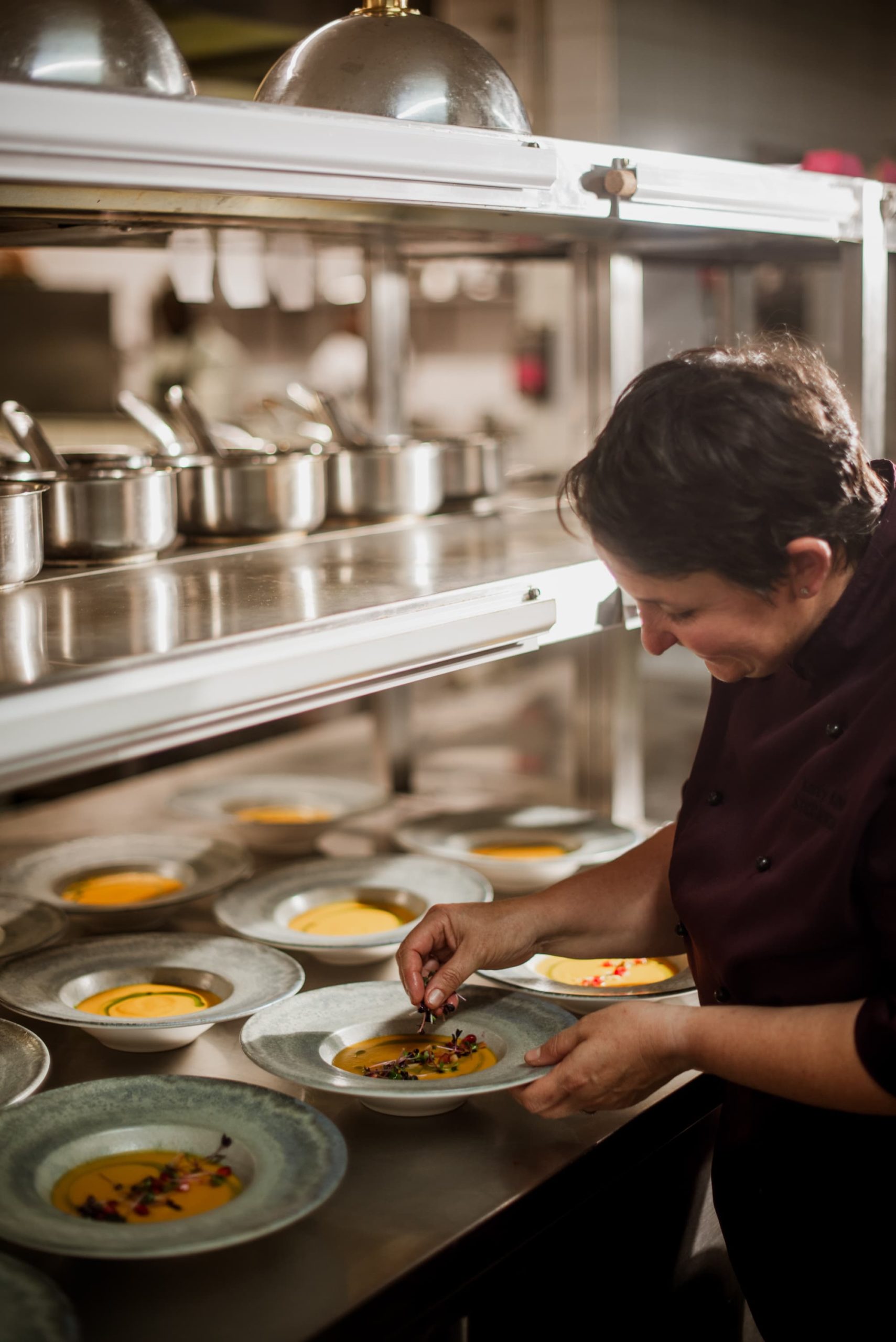
Why the story behind a dish matters
The growing interest in provenance has also changed the way restaurants communicate with diners. People increasingly want to know where their ingredients come from, who produces them and how they arrived on the plate.
At Tryn at Steenberg Farm, the restaurant’s story is closely connected to the history of the estate. Named after Catharina Ras, the founder of Steenberg and affectionately known as ‘Tryn’, the restaurant draws on the heritage of South Africa’s oldest registered farm.
Its relationship with ABALOBI also gives diners greater insight into the provenance of its seafood. Steenberg Farm sources fully traceable seafood from local small-scale fishers, allowing guests to trace their seafood from ocean to plate and learn more about the people responsible for the catch.
“Stories help people connect emotionally,” says Kilpin. “People remember stories. They remember the people behind them, and that creates a much deeper experience than simply serving a meal.”
It is an approach that puts provenance into context. Rather than simply listing an ingredient on a menu, restaurants can give diners a better understanding of its journey and the people connected to it.
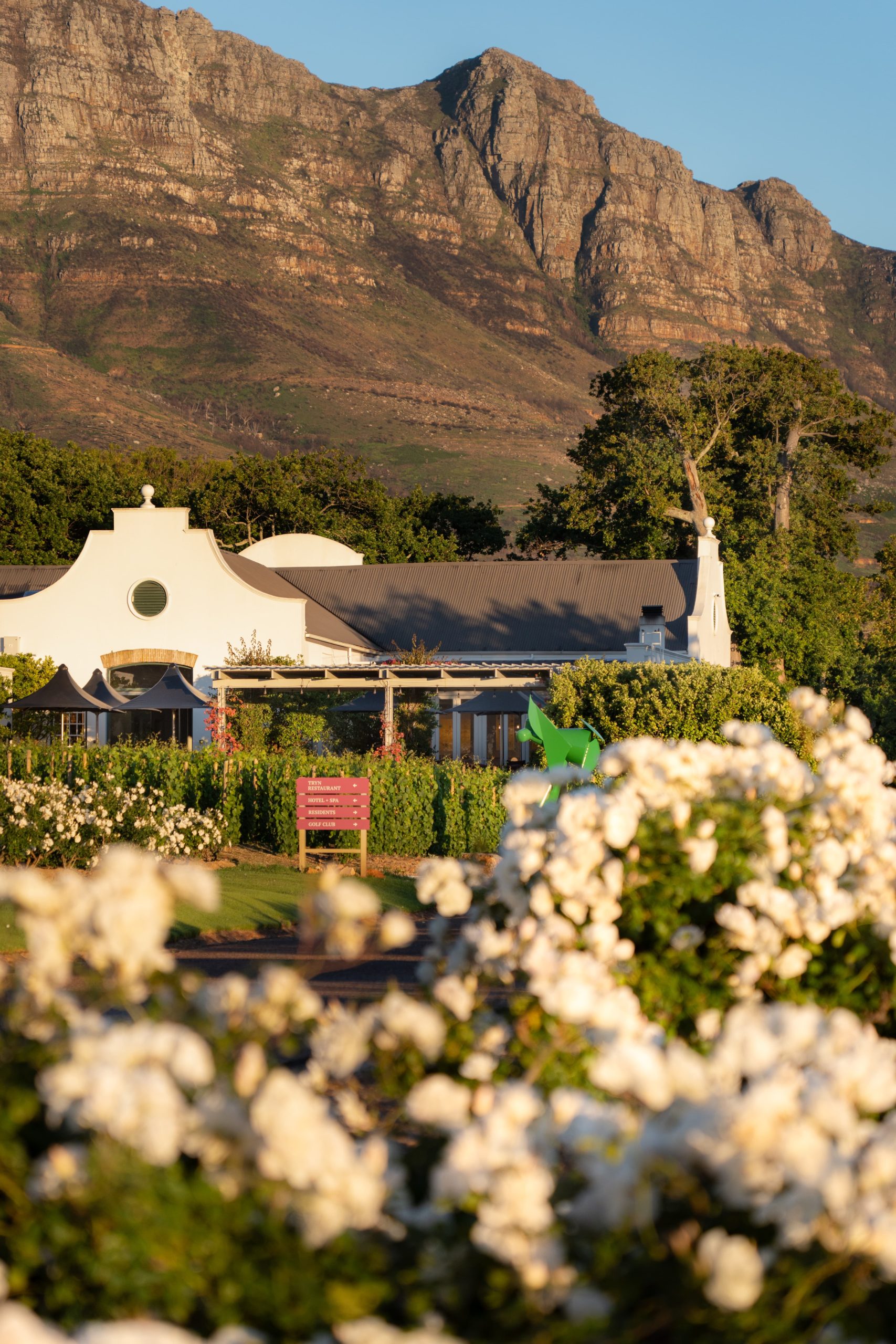
Creating a sense of occasion
Connection is not limited to food and service. The surroundings, too, can influence how a restaurant experience is remembered.
A strong sense of place can come from a building’s history, its location, the view from the table or its relationship with local producers. These details help give a restaurant its identity and can turn an ordinary meal into an occasion.
At Steenberg, vineyard views, mountain scenery and historic heritage form part of the experience, alongside its different dining offerings.
“People are looking for opportunities to slow down and spend meaningful time together,” says Kilpin. “Good food and wine are important, but what many guests are really seeking is connection.”
That does not necessarily mean grand celebrations. A long lunch with friends, a family dinner or an anniversary meal can all become memorable when the restaurant creates an environment where people feel comfortable staying, talking and enjoying the occasion.
What comes next for fine dining?
The future of premium dining is unlikely to be about abandoning the standards that have traditionally defined fine dining. Excellent food, wine and service will remain central. The difference is that diners are increasingly considering the entire experience rather than assessing a restaurant solely by what arrives at the table.
“The future of premium dining isn’t about making things more complicated,” says Kilpin. “It’s about creating meaningful moments that people genuinely enjoy and remember.”
That could mean knowing a regular guest’s preferences, explaining the story behind an ingredient, creating a comfortable atmosphere or simply making diners feel genuinely welcome.
As fine dining continues to evolve, luxury is becoming less about ceremony and more about the details that make a restaurant experience feel personal. The meal still matters, but so does the conversation around the table, the story behind the ingredients and the welcome that stays with guests after they leave.
ALSO SEE: Best cafés and restaurants: Joburg
