
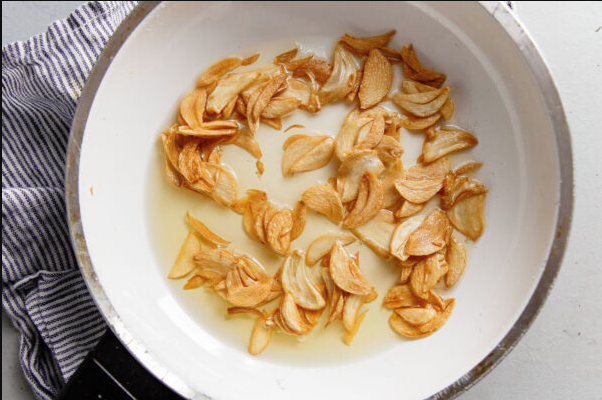
Garlic makes up the foundations of many a dish – from Italian to Indian cuisine, and almost everything in between. It adds punch, zing, and depth to any dish it’s added to; however, when cooked with the wrong technique, it can burn very easily and bring bitter and burnt flavours to the dish – potentially ruining it.
Avoid burnt garlic and discover how to get it just right with our garlic guide.
How to avoid burnt garlic
Why does garlic burn so easily in the first place? Well, it depends on the size of the garlic (i.e. are you frying whole cloves, slices or pastes?) and the type of heat. Frying whole garlic on high heat (on the braai or hot griddle pan when frying a steak, for instance) will inevitably burn it, even though it’s whole. Frying slices, dices, and pastes over medium or high heat will also result in burnt flavours. Choosing the right heat source for the size of garlic you’re working with is the most important first step to take.
- Whole garlic: usually added to pans when frying steaks, large fish fillets or whole fish, or chunky chicken pieces, to impart its flavour to the meat/seafood while cooking for short times. Keep the heat on medium, or agitate the cloves constantly on high heat and remove when they start turning a deep golden, to avoid bitter flavours from developing.
- Roughly chopped/diced garlic: without fail, your heat source needs to stay on medium-low, and never be on high – medium if you’re stir-frying or sauteèing it with other veg or foods for a short time.
- Garlic paste: never add garlic paste to a pan or pot on medium heat, never mind high heat. Because it’s been made into such a fine mixture, it barely needs any heat at all to tone down the zing and bring out its sweetness. Keep it low and steady, and add it just before moving on to the next step (which is usually a liquid addition).
Tips to help cook garlic for longer
If you’re still unsure or still finding your garlic burns, use these tips to help you:
- Add garlic right before a liquid when stir-frying or sauteèing
- With slow-cooked dishes (like soups and stews), rather than adding the garlic after the initial boil phase, or when liquid has been added, this prevents any burnt flavours, and brings out the sweetness more
- If you see your garlic getting too golden, remove it from the pan or take it off the heat immediately and add a splash (a tablespoon max) of water to bring down the heat instantly
- Always pair garlic with a fat or an oil to keep it from sticking and really burning onto the pot or pan
- Start on a super low heat and slowly increase it during the cooking process – remember, you can always add heat easily and consistently, but can’t quickly cool things down (without having to add a liquid, which many dishes try to avoid like stir-fries)
Also See: How to grow your own supply of garlic
Feature image credit: A Beautiful Plate
