
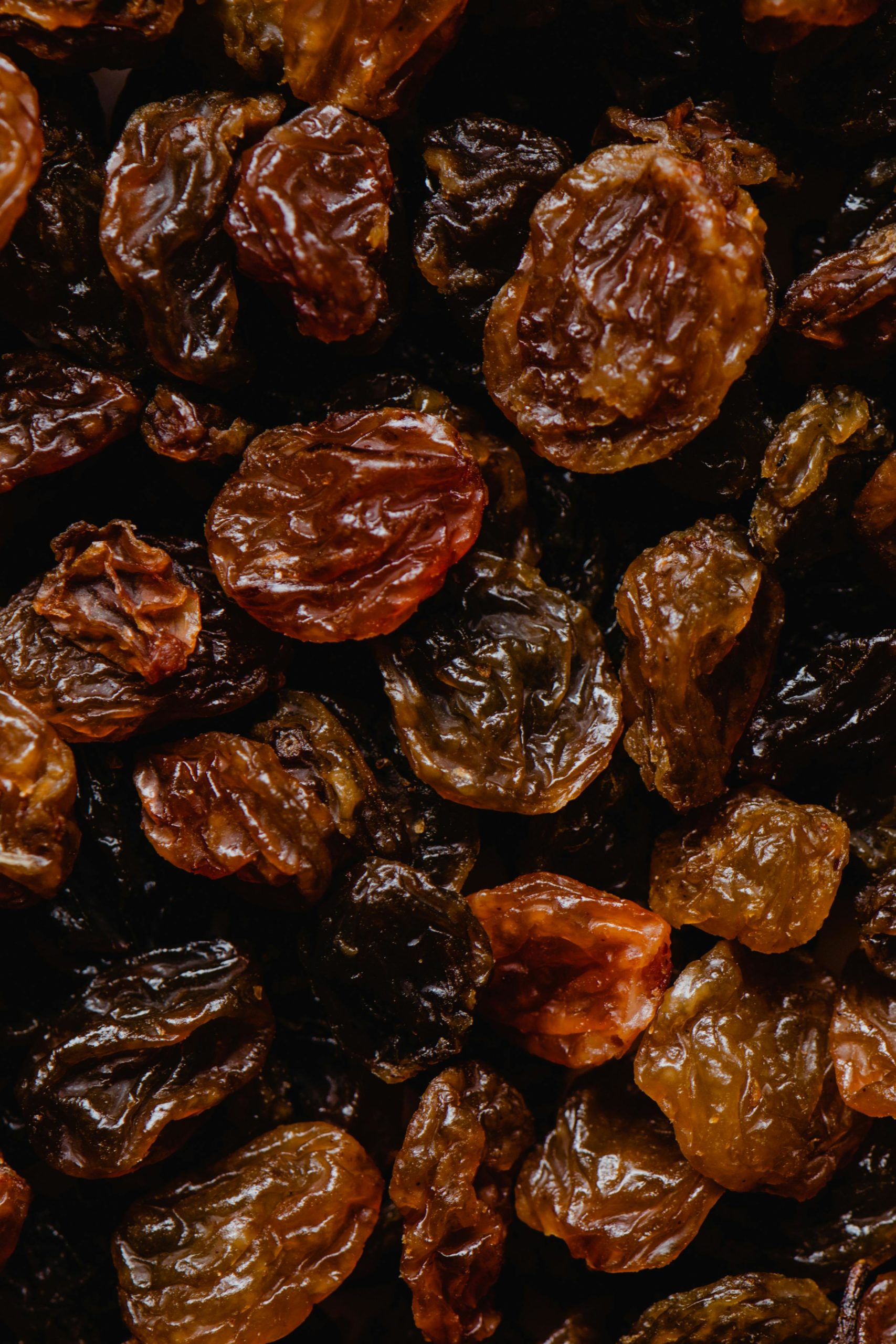
Store-bought raisins are one of those pantry staples most of us barely think twice about. They get tossed into lunchboxes, folded into baked goods, sprinkled over oats, or eaten by the handful when the snack cupboard is looking a little sparse. But can you make your own raisins at home? Surprisingly, yes! And it’s far simpler than you’d expect.
Learning how to make your own raisins is also a clever way to use up grapes before they turn soft and sad at the bottom of the fruit bowl. Plus, homemade raisins have a fresher, juicier flavour than many of the packaged versions lining supermarket shelves.
If you’ve ever wondered whether it’s worth the effort, here’s everything you need to know.
Can you make your own raisins?
Absolutely. Raisins are simply dried grapes, and the process is essentially about slowly removing moisture from fresh grapes until they become chewy, sweet, and concentrated in flavour.
Traditionally, raisins are sun-dried, but at home you can also use an oven, dehydrator, or even an air fryer with a dehydration setting. The result? A snack that tastes far more grape-y than the boxed kind.
The best part is that you don’t need fancy ingredients or complicated equipment. Just grapes, a bit of patience, and some tips to make raisins properly.
Which grapes work best?
Seedless grapes are the easiest option, especially if you plan on snacking on them straight from the jar later. Red grapes tend to produce deeper, richer-flavoured raisins, while green grapes create lighter, slightly tangier ones.
Smaller grapes usually dry faster and more evenly than oversized varieties.
Before you start:
- Wash the grapes thoroughly
- Remove all stems
- Pat them dry well
- Discard bruised or split grapes
How to make your own raisins
Oven method
This is the easiest route for most home cooks.
- Preheat your oven to around 90°C to 100°C.
- Arrange grapes in a single layer on a lined baking tray.
- Leave space between them so air can circulate.
- Bake for 6 to 10 hours, depending on grape size.
The grapes should gradually shrink and wrinkle without becoming crisp or burnt. Some may dry faster than others, so check on them every few hours.
A slightly open oven door can help moisture escape faster.
Dehydrator method
If you own a dehydrator, this is probably the most foolproof method.
- Set the dehydrator to about 55°C to 60°C
- Arrange grapes evenly on trays
- Dry for 18 to 30 hours
It sounds long, but the process is mostly hands-off.
Sun-drying method
Yes, you can still go old-school.
Place grapes on a mesh tray or baking rack covered with cheesecloth and leave them in direct sunlight during hot, dry weather. Bring them indoors overnight to avoid moisture exposure.
This method can take several days and works best in consistently warm climates.
Tips to make raisins successfully
Making your own raisins is simple, but a few small tricks make a big difference.
Blanch the grapes first
Some people briefly dip grapes into boiling water for about 30 seconds before drying. This slightly breaks the skin and speeds up dehydration.
Don’t rush the heat
Low and slow is the golden rule. High heat can caramelise the sugars too quickly and leave you with burnt outsides and wet centres.
Store them properly
Once cooled completely, store homemade raisins in an airtight container. They’ll last for weeks in the pantry and even longer in the fridge.
Expect them to look imperfect
Homemade raisins are usually less uniform than store-bought ones. Some may stay plumper, others darker. That’s part of the charm.
What do homemade raisins taste like?
Sweeter, softer, and far more flavourful than many commercial varieties. Because they’re freshly dried and free from preservatives, they often retain a slightly jammy texture.
ALSO SEE: Heavenly hot cross buns
Feature image: Pexels
