
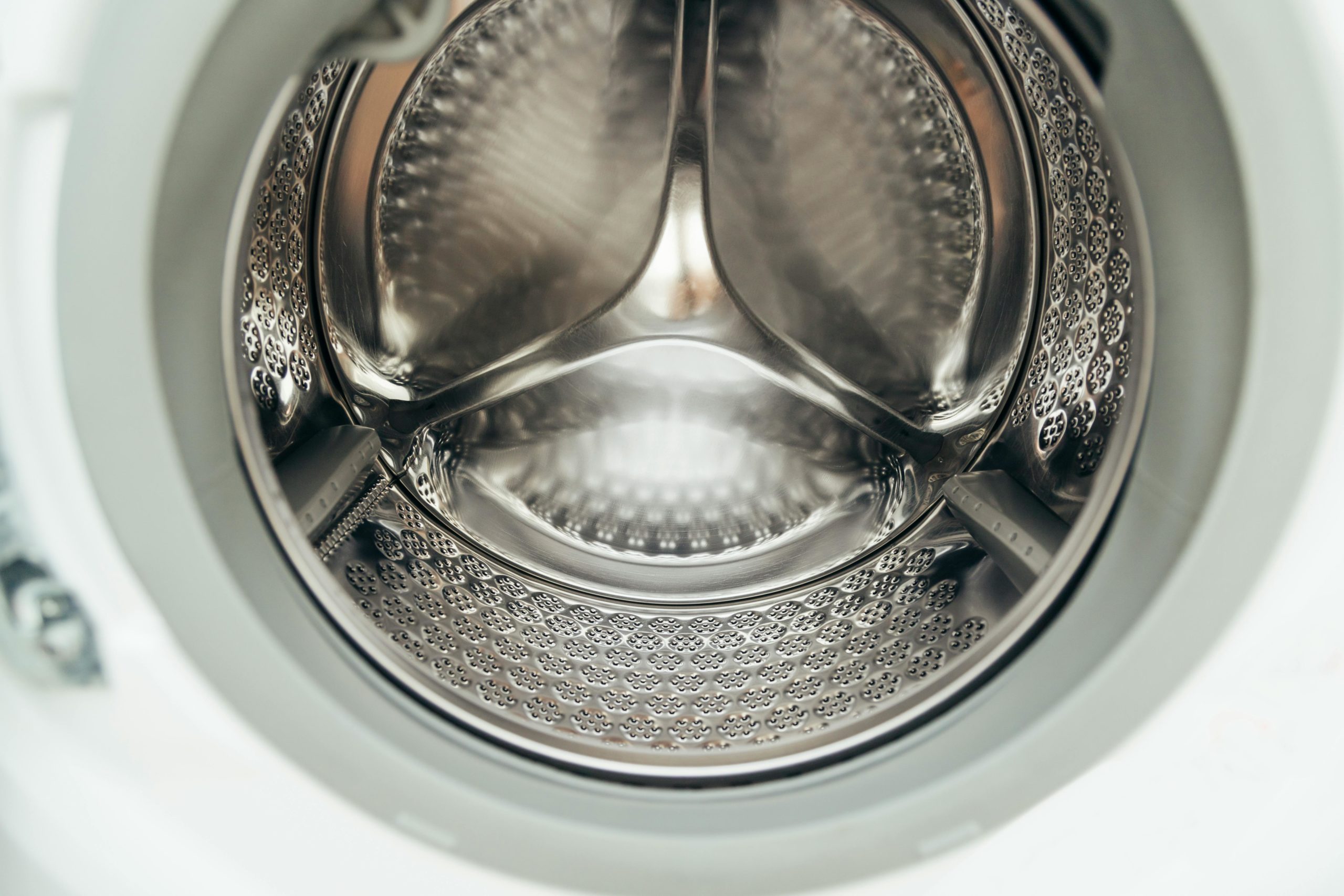
It might seem strange that we need to keep our washing machines clean even though they’re constantly filled with water and suds. While they may make your clothes, towels, and linens look good as new, washing machines suffer from mineral buildup, soap scum, clogged pipes, and more.
When they aren’t cleaned, descaled and maintained on a regular basis, washing machines can leave chalky residue on laundry, develop musty odours, clean inadequately, prolong their washing cycles and start making unusual noises.
Here’s how to descale your washing machine so that it works efficiently, effectively and lasts longer.
Signs your washing machine needs descaling
Ensuring your washing machine’s longevity means descaling it every one to three months – depending on how frequently you use it and the hardness of your water. The more often you wash laundry, the more soap scum is built up inside the soap container and drum (affecting the look and feel of your laundry).
If you live in an area with hard water (i.e. water that contains a lot of minerals, like limescale), the internal parts of the washing machine, like the heating element and drum, suffer from a mineral buildup.
This buildup can cause:
- the washing machine to work harder to heat and move water around;
- damage to the internal components of the machine (heating element, pump and drum), causing breakdowns;
- the machine to make noises;
- musty odours;
- improper dissolving of detergent; and
- trapped dirt and bacteria.
Regular descaling can prolong the longevity of your machine, avoid costly repairs, and keep your clothes, towels, linen and other laundry items free from bacterial infection, off odours, and detergent residue.
Signs your washing machine needs to be descaled
If you’re not sure whether or not to descale your washing machine, look out for the following signs:
- Strange noises during a cycle (gurgling or clunking)
- Longer wash cycles or heating issues
- Musty or sour smells coming from the drum
- White/chalky residue inside the drum or on laundry
- Clothes aren’t fully cleaned, even after a lengthy wash cycle
How to descale your washing machine
These steps work for both front and top-loader washing machines:
- Empty the drum.
- Front-loaders: Add 2 cups of distilled vinegar to the detergent dispenser and run on the longest, hottest cycle. Once finished, add 1/2 cup of bicarbonate of soda directly to the drum and run another hot cycle.
- Top-loaders: Fill the machine with hot water and add 4 cups of distilled vinegar. Let the machine agitate for a few minutes, then pause by opening the lid. Keep the cycle paused and soak the machine for 30 to 60 minutes before completing the cycle. Follow with a rinse cycle (1 cup of bicarbonate of soda is optional).
- Wipe the machine using a microfibre towel. Ensure all loosened limescale or residues (especially dirt, hair and fluff) are removed.
- Finally, run a rinse cycle. This step is optional – best for when you can still smell vinegar residues.
Tips for preventing mineral and soap buildup
You can incorporate these simple tips into your laundry routine to lower the number of times you need to descale your washing machine:
- Avoid using too much detergent
- Clean the detergent drawer and filter regularly
- For hard water areas, consider using water softening products
- Add 1/4 cup of distilled vinegar to the detergent drawer every month (or even every cycle) to dissolve any mineral buildup
- Occasionally run hot cycles to help mineral and detergent deposits
- Regularly wipe the drum (and rubber seals)
- Leave the lid/door open after every cycle
