
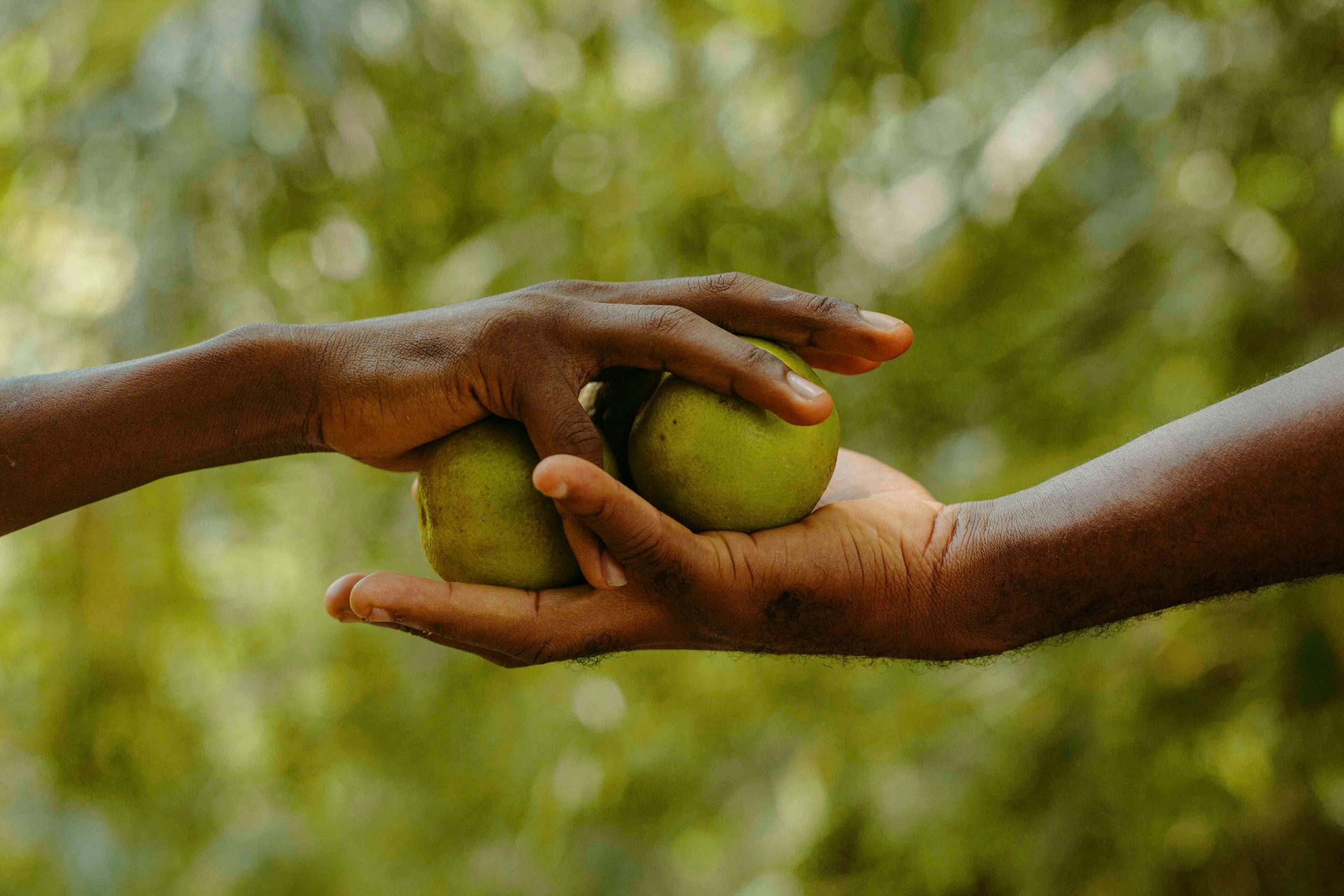
Heritage Month is a good opportunity to look beyond familiar South African dishes and consider the ingredients that have long been part of the country’s food heritage.
South Africa has a wide range of indigenous food crops, including grains, pulses, leafy vegetables, tubers and fruit. Many are well adapted to local growing conditions and have traditionally been harvested, cultivated, dried or preserved for use in home cooking.
Some may already be familiar, while others are less likely to appear in a supermarket trolley. Here are a few worth getting to know.
Morogo
Morogo is a collective term used for a variety of traditional leafy green vegetables, with different communities using different plants and names. Imifino is another commonly used term, particularly in isiZulu and isiXhosa. Indigenous leafy vegetables include amaranth, cleome, blackjack, cowpea and Jew’s mallow.
Morogo is traditionally cooked as a vegetable or relish and can be served alongside staples such as pap. It can also be incorporated into stews, soups, savoury fillings and other vegetable dishes. Government guidance on indigenous food crops notes that these leaves may be eaten fresh or dried and used in soups and relishes.
If you’re buying or harvesting wild greens, make sure you know exactly what plant you are dealing with. Some edible species can resemble plants that are not safe to eat.
Sorghum
Sorghum is one of the indigenous African grains that has long been used as a staple food. It can be cooked as a whole grain, milled into flour or used in traditional porridges and other dishes. South African indigenous crop references classify sorghum among the country’s grain crops.
In the kitchen, whole sorghum can be cooked much like other grains and used in salads, grain bowls, stews or as a side dish. Its slightly nutty flavour and chewy texture also make it an easy alternative to rice or other grains in recipes.
Sorghum flour can be used in baking, too, giving you another way to incorporate an African grain into everyday recipes.
Marula
The marula tree is one of South Africa’s best-known indigenous food plants, particularly in Limpopo, Mpumalanga, KwaZulu-Natal and parts of the Eastern Cape. The ripe fruit can be eaten fresh, while the fruit is also processed into drinks, jams and jellies. The hard stone contains an edible kernel that can be roasted and eaten.
Marula’s culinary uses extend well beyond the familiar cream liqueur associated with the fruit. Marula fruit can add a tart, fruity note to preserves, sauces and desserts, while roasted marula kernels can be used much like other nuts.
The ingredient also has a strong cultural history. In parts of Limpopo, the first-fruit season and the use of marula have long been connected to community traditions and celebrations.
Amadumbe
Amadumbe, also known as taro, is a traditional root crop cultivated and eaten in parts of South Africa. The Department of Agriculture includes it among the country’s indigenous vegetable crops.
The tubers are starchy and can be cooked as you would other root vegetables. Try boiling or steaming them before serving as a side dish, mashing them or incorporating them into stews.
Amadumbe can be particularly useful when you’re looking for an alternative to potatoes in a familiar recipe while still bringing a distinctly African ingredient to the table.
Bambara groundnuts
Bambara groundnuts are a traditional pulse grown in several parts of South Africa, including Limpopo, Mpumalanga, KwaZulu-Natal, North West and Gauteng. The seeds can be cooked and used in dishes in much the same way as other pulses.
They can be added to stews, salads and vegetable dishes, or cooked until tender and served as a side. Their versatility makes them one of the more interesting indigenous ingredients to experiment with if you’re looking beyond the usual beans and lentils.
They are also particularly interesting from a food-security perspective because indigenous crops can be well adapted to local conditions and, in some cases, require fewer inputs than exotic crops.
Veldkool
If you live in the Western or Northern Cape, you may already have encountered veldkool. Several Trachyandra species are known by names including veldkool, bokkool and Hottentot’s cabbage, and some have edible young flower stalks.
SANBI notes that the young inflorescences of Trachyandra falcata, known as Namaqua wild cabbage, are harvested in winter and cooked as a vegetable. They can be prepared in a similar way to asparagus or added to stews.
It is a seasonal ingredient, so you’re more likely to encounter it at specialist producers or farmers’ markets than in a conventional supermarket. If you’re using wild plants, only harvest from a reliable source or buy from someone who can correctly identify the plant.
Num-num
Num-num, also known as Natal plum or amatungulu in the case of Carissa macrocarpa, produces bright red edible fruit. The species occurs naturally along parts of South Africa’s coast, with C. macrocarpa found from the Eastern Cape through KwaZulu-Natal.
The fruit can be eaten fresh or turned into jams and jellies. Other indigenous Carissa species also produce edible fruit, with SANBI documenting their traditional use in preserves and, in some cases, savoury dishes.
If you come across num-num fruit, think of it as a local alternative to more familiar berries when making preserves, sauces or desserts.
Cowpeas
Cowpeas are another indigenous African pulse that can be used in both their seeds and young leaves. They are included among South Africa’s indigenous grain and vegetable crops, with the seeds and leaves both used as food.
The dried beans can be cooked into stews, added to salads or incorporated into savoury dishes. Young leaves can also be prepared as a leafy vegetable.
Like Bambara groundnuts, cowpeas are useful for cooks wanting to incorporate more traditional pulses into everyday meals rather than treating indigenous ingredients as something reserved for special occasions.
Sour plum
Sour plum is another indigenous South African fruit included in the Department of Agriculture’s list of indigenous fruit crops. Other examples include wild plum, monkey orange, wild medlar and marula.
Indigenous fruits have traditionally been eaten fresh or dried, while some are processed into products such as jams, jellies and juices.
For home cooks, these fruits offer plenty of possibilities for preserves, desserts, sauces and drinks, particularly when you’re looking for a local alternative to imported fruit.
ALSO SEE: Amarula and chocolate crème brûlée
Feature image: Pexels
