
There is nothing quite like deciding to bake a cake, only to realise you do not own the right cake tin. Whether you are a first-time baker, living in a small space, or simply caught off guard by a spontaneous baking session, the good news is that you do not always need specialised bakeware to create something delicious.
In fact, some of the best cake tin substitutes can be found in your kitchen cupboards right now. One unexpected favourite? The humble tuna tin.
Before you start reaching for whatever container is closest, there are a few important dos and don’ts to keep in mind.
Can you really bake a cake in a tuna tin?
Surprisingly, yes.
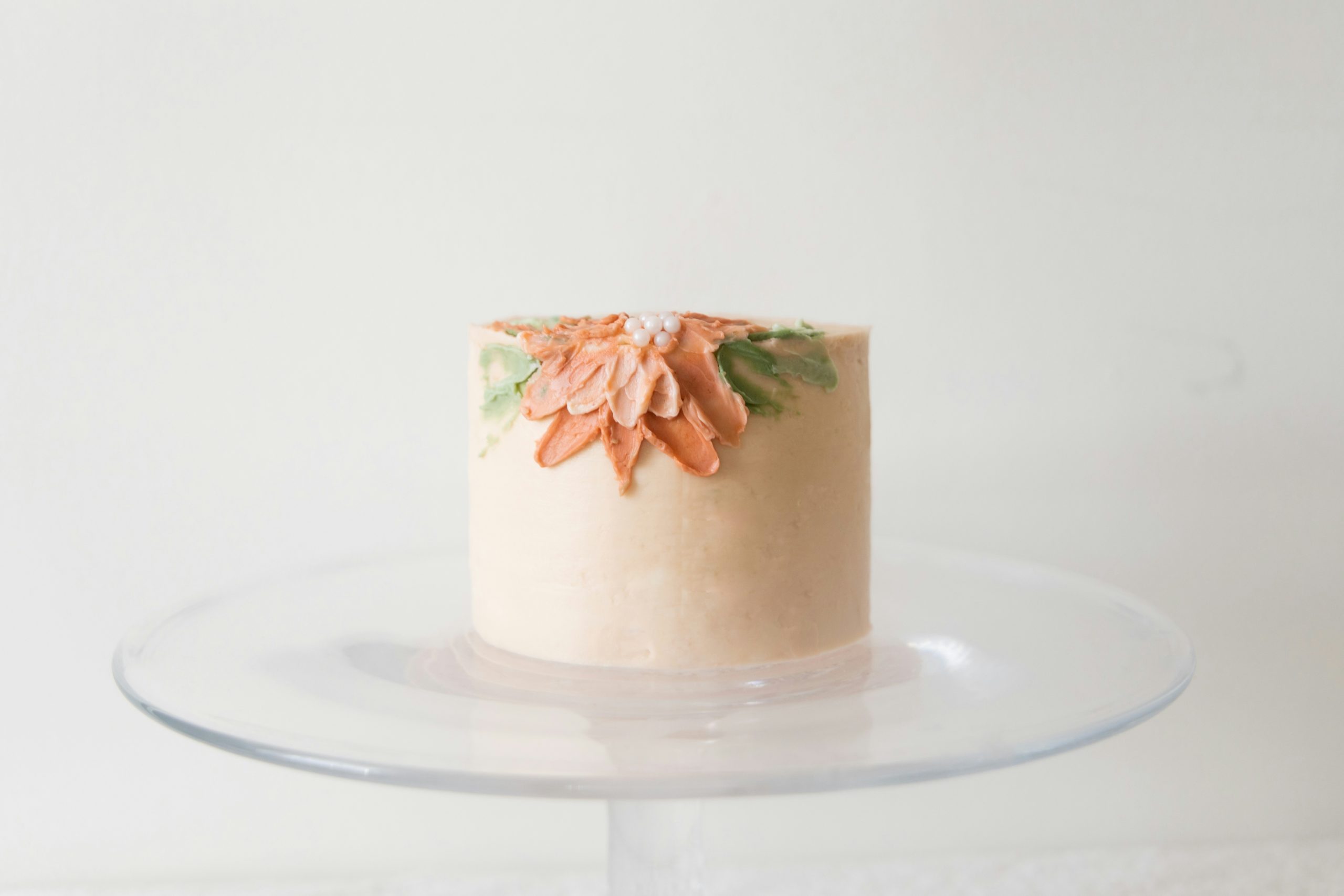
Clean, empty tuna tins can make excellent mini-cake tins, especially for individual desserts, small celebration cakes, lunchbox treats or children’s parties. Their compact size allows cakes to bake quickly and evenly, while their sturdy metal construction can withstand oven temperatures.
They are also a budget-friendly way to create perfectly portioned cakes without investing in speciality mini-cake pans.
We especially love Greteli de Swardt from Butter and Bloom’s recipes:
View this post on Instagram
How to use tuna tins as mini-cake tins
If you are planning to bake with tuna tins, preparation is key.
- Wash the tins thoroughly with hot, soapy water.
- Remove any labels and adhesive residue.
- Check carefully for sharp edges and discard any damaged tins.
- Grease the inside well with butter, baking spray or oil.
- Line the base with a small circle of baking paper for easy removal.
- Fill each tin only two-thirds full to allow room for the cake to rise.
Because tuna tins are much smaller than traditional cake tins, baking times will need to be reduced. Start checking for doneness around halfway through the recipe’s suggested baking time.
The dos of baking with tuna tins
Do use food-grade metal tins
Most commercially available tuna tins are made from food-safe materials designed to hold food products, making them suitable for baking once cleaned properly.
Do monitor baking times
Smaller cakes bake much faster than larger ones. Keep a close eye on them to avoid overbaking.
Do use them for individual portions
Tuna tins work particularly well for:
- Mini sponge cakes
- Small carrot cakes
- Individual chocolate cakes
- Mini cheesecakes
- Personal-sized celebration cakes
Do allow cakes to cool slightly before removing
Removing a cake while it is too hot can increase the risk of breaking.
The don’ts of baking with tuna tins
Don’t use damaged tins
Any dents, rust, cracks or sharp edges can affect baking performance and safety.
Don’t fill them to the top
Cake batter needs room to expand. Overfilling can lead to messy overflows in the oven.
Don’t use tins with plastic components
Only plain metal tins should be placed in the oven.
Don’t forget to grease and line
Even non-stick-looking surfaces can cause cakes to stick once baked.
Other clever cake tin substitutes
Tuna tins are not the only kitchen item that can save the day when a cake craving strikes.
Muffin trays
A muffin tray can easily be used to create individual cakes, cupcakes or layered mini desserts.
Oven-safe ramekins
Ramekins are ideal for small cakes and desserts. Their thick ceramic walls distribute heat evenly and create beautifully shaped bakes.
Loaf tins
No round cake tin? A loaf tin can be used for most cake recipes with minimal adjustments.
Casserole dishes
Oven-safe glass or ceramic baking dishes work well for sheet cakes and simple sponge cakes.
Springform tart tins
These can often double as cake tins, especially for cheesecakes and lighter sponge cakes.
Disposable aluminium trays
Perfect for occasional bakers, disposable foil containers are inexpensive and available in various sizes.
What should never be used as a cake tin?
While creativity is encouraged, not every container belongs in the oven.
Avoid using:
- Plastic containers
- Cardboard packaging
- Containers with unknown coatings
- Non-oven-safe glass
- Containers with glued or decorative elements
When in doubt, check whether the item is specifically labelled as oven-safe.
Why baking substitutions are becoming more popular
With rising household costs and growing interest in reducing waste, more home bakers are finding creative ways to use what they already have. Repurposing clean tuna tins and other household baking vessels can save money, reduce clutter and make baking more accessible.
While dedicated bakeware remains the gold standard for frequent bakers, there is something satisfying about transforming everyday kitchen items into practical tools.
So the next time a cake craving strikes and you discover there is no cake tin in sight, take a look through your cupboards. That empty tuna tin might just become the star baker of the day.
ALSO SEE: Lemon sponge cake
Feature image: Unsplash
