
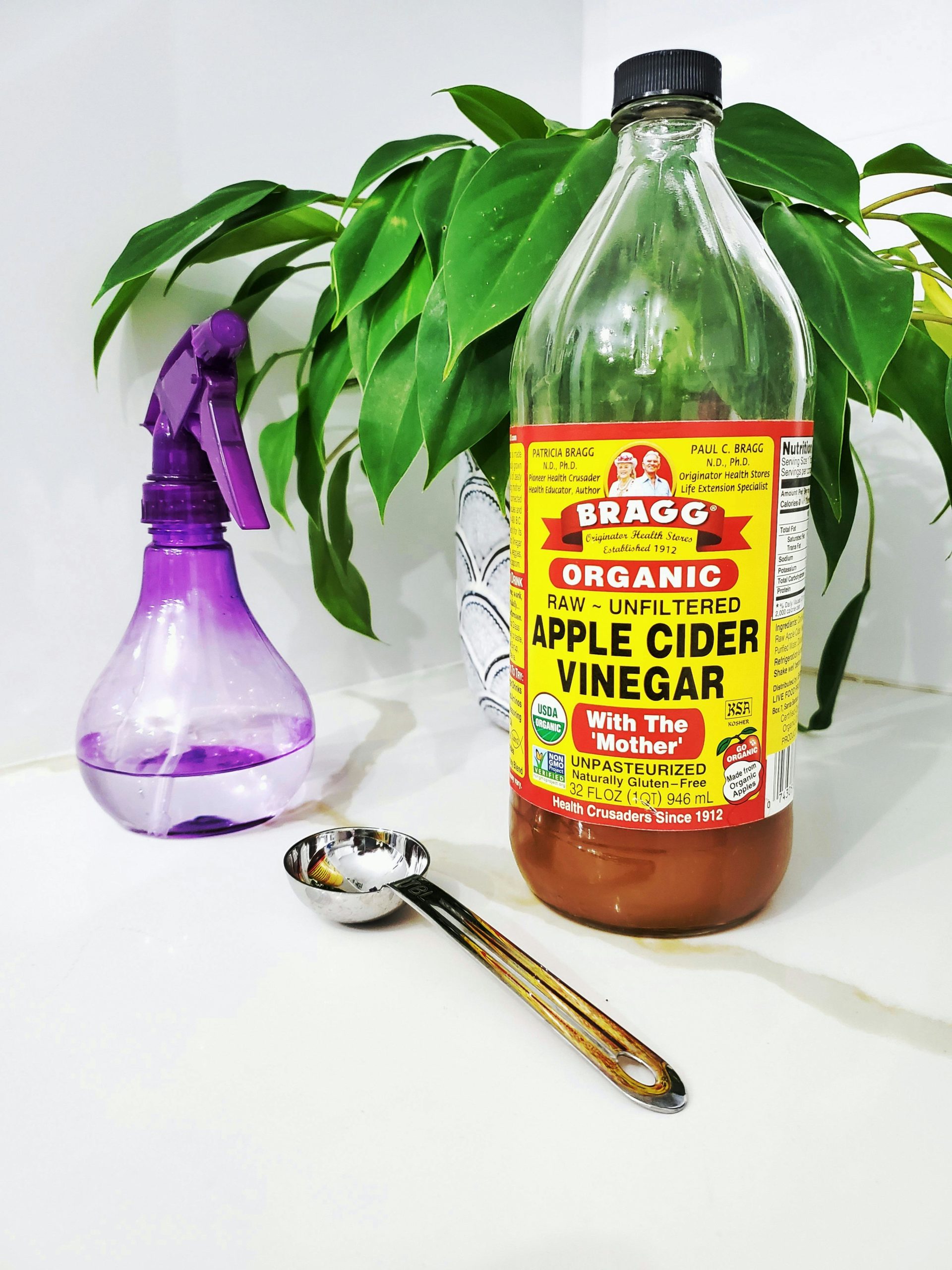
Vinegar, particularly distilled white vinegar, has been used to cook, preserve, care for wounds and clean for centuries. Today, it’s a well-loved eco-friendly cleaning option – for hard-water stains, mould, and mildew, when looking up DIY cleaners, vinegar is almost always at the top of the list. And while it may be effective for a range of cleaning areas, vinegar isn’t always the go-to for certain ones, and using it to clean them will most certainly leave you with more to fix than when you started.
5 Things you should never clean with vinegar
Although distilled white vinegar is hailed for its acidic properties, which act as a natural, nontoxic disinfectant, it is actually a weak acid compared to other cleaning agents (and even some of our favourite soft drinks). But its strong enough to help dissolve coffee and hard-water stains and get rid of soap scum. And for that reason, you should avoid using it to clean the following surfaces:
1. Stone
Stone materials, like granite or marble countertops and tables, will not benefit from a vinegar-based clean. In fact, the vinegar’s acidity etches and dulls natural stones, slowly dissolving them and stripping any sealers applied to them layer by layer.
Do this instead: use microfibre cloths dampened with diluted and mild detergent. Ensure plastic scrub pads or very soft-bristled brushes are used to gently scrub stubborn spots.
2. Screens
Any electrical screens, like TV’s, smartphones and computer screens, only benefit from a microfibre cloth dampened with soapy water, never vinegar. Vinegar, whether diluted or not, can strip anti-glare protective layers and even lead to a more unresponsive touch screen. Although some manufacturers still recommend using diluted vinegar solutions to wipe screens, we would rather stay safe than be sorry.
Do this instead: use a microfibre cloth that’s been dampened with plain water to regularly wipe screens clean. For stubborn spots, you can use a heavily diluted mixture of mild dish soap and water (as in 100:1 water to soap).
3. Irons
Although vinegar is known for it’s descaling properties, which your clothings iron may need, the professionals do not recommend it. Inside the water compartment of your iron is a thin, protective layer that keeps the compartment water-proof and the electronic elements of the iron safe. Using vinegar for descaling could strip this internal layer, and lead to leakages, overall damage and electric shorts.
Do this instead: First, consult your owner’s manual or use a commercially-produced iron descaler. Most irons today have a self-cleaning mode – so all you’ll need to do is add water, heat the iron until hot, unplug it and hold it over a sink while engaging the self-cleaning mode.
4. Kitchen knives
Arguably the most precious tool in the kitchen is your knife set. Whether you bought it at your local home store or splurged and got a set from Japan, all knives have exposed edges (i.e. the blade), making them vulnerable to heat and acids. Using vinegar to clean knives will chip away at the blade or any other exposed parts and damage the overall finish of the knife. Other metals vulnerable to acids like vinegar include aluminium and copper.
Do this instead: Use mild dish soap and warm water (not boiling hot!) to clean knives and other metals.
5. Rubber parts on appliances
Rubber and acid don’t mix. Acids eat away at rubber, leaving little to large holes and major disintegration. Any appliances that have rubber seals and hoses, like dishwashers, washing machines and coffee machines, are susceptible to vinegar damage. While vinegar can be used to freshen up a washing machine’s drum or your bathroom towels, prolonged exposure can damage the rubber parts. And the same goes for other appliances.
Do this instead: Use a solution of bicarbonate of soda (or cornflour), dish soap and warm water to clean these appliances to keep the rubber parts safe.
Also See: Cornflour for cleaning? 10 surprising uses of cornflour to clean your home
Cornflour for cleaning? 10 surprising uses of cornflour to clean your home
