
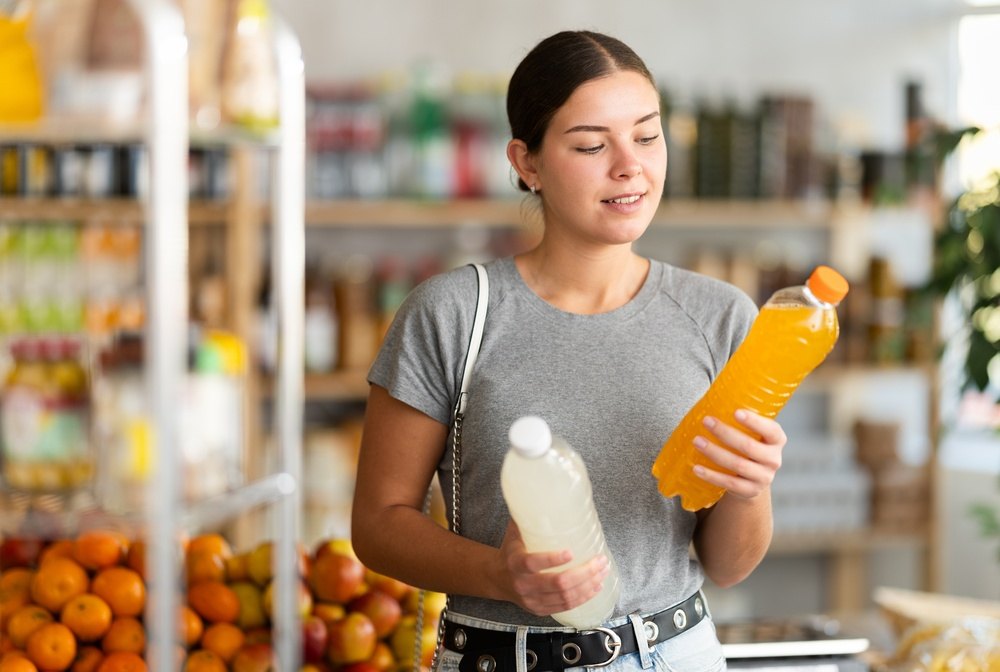
That silver can in the fridge feels like the sensible choice, but does it earn its good reputation? Here’s what the science says and what to pour at your next Sunday lunch.
It’s Sunday lunch. The lamb is resting, the roast potatoes are crackling and someone opens the fridge to a row of cans marked zero sugar. You grab one without a second thought, because it feels like the responsible choice.
Is it? The honest answer is a bit more interesting than yes or no. Zero-sugar drinks are a useful step for some people and a comfortable story for others, and it helps to know which one you are.
First, what’s actually in that can?
Zero-sugar drinks get their sweetness from low- or no-kilojoule sweeteners such as aspartame, acesulfame K, sucralose and stevia. They are far sweeter than sugar, so only a tiny amount is needed. Check the ingredients list and you’ll spot them quickly.
Now picture the regular version. One South African campaign group puts a 330 ml can of a popular fizzy drink at about seven teaspoons of sugar. A 250 ml glass of fruit juice averages around six and a half. Picture that much sugar going into a mug of tea and you’ll see why people want to cut back.
Where zero-sugar genuinely earns its place
If you’re swapping a daily regular cooldrink for a zero version, you’re cutting a lot of sugar. Cambridge researchers reviewing the trials behind the WHO’s work found that people using sweeteners ate about 136 fewer kilocalories a day on average. They also weighed around 0.7 kg less.
A big Harvard study followed about 143,000 adults for a median of 28 years. It found that people who swapped sugary drinks for artificially sweetened ones tended to gain less weight. Water did even better, though. So a zero-sugar can can be a decent stepping stone, especially if sugary cooldrinks are a daily habit.
South Africans are already moving in this direction. Since the Health Promotion Levy started in April 2018, sugar from taxed drinks has dropped. One analysis put it at about 16 g per person per day before the levy and about 11 g in the year after it began.
Where the halo starts to slip
Here’s the catch. In 2023 the World Health Organization advised against using non-sugar sweeteners to control weight or lower the risk of diseases like type 2 diabetes. It called this a conditional recommendation, meaning the evidence is not clear-cut. It doesn’t apply to people who already have diabetes. The WHO’s reasoning was that long-term benefits haven’t been shown, and the best approach is to dial down our taste for sweetness altogether.
Some research also raises questions. A 2025 UK Biobank study of nearly 124,000 people linked even one can a day of low- or no-sugar drinks to a higher risk of fatty liver disease. Studies like this show an association and can’t prove cause. People who are already worried about their weight may simply reach for diet drinks more often.
What about safety? Aspartame was flagged as “possibly carcinogenic” in 2023, but that was based on limited evidence. A separate WHO and FAO expert committee kept the acceptable daily intake where it was. For a 70 kg adult, you’d need to drink roughly nine to fourteen cans a day to go over it. The cans aren’t the emergency. The habit of reaching for something sweet every time you’re thirsty is the bigger question.
The plot twist: water wins, and it can taste like a treat
Both the Harvard and liver studies point the same way. Replacing either sugary or zero-sugar drinks with water did best. In the liver study, the swap lowered risk by about 13% for sugary drinks and 15% for zero-sugar ones.
Plain water doesn’t have to be boring, though. Think of your drinks as part of the meal, with colour, aroma and a little ceremony. A jug with fruit and herbs on the table makes lunch feel generous. It also makes the fizzy can feel less like the only festive option.
Your fridge-door shopping list: 6 pours worth making
- Sparkling water with lemon or lime wedges. You get the fizz and the little ritual, without any sweetener.
- Iced rooibos. Brew it strong, chill it and add orange slices and fresh mint. Rooibos is naturally caffeine-free, so it works for the whole family.
- Cucumber, mint and naartjie jug. Slice, drop in, top up with cold water and leave for an hour.
- Chilled hibiscus or fruit tea, unsweetened. It’s deep ruby red and tart enough to feel like a treat.
- Frozen grapes or berries as ice cubes. They chill the glass and give you a snack at the bottom.
- A quick spritzer. Add a small splash of 100% fruit juice to a tall glass of sparkling water. You get flavour with a fraction of the sugar of a full glass of juice.
If you’re used to very sweet drinks, wean yourself gradually. Start by making your cooldrink half-strength or switching one drink a day. Your taste buds adjust faster than you’d think, and sweetness starts to feel like a treat again rather than the default.
Don’t forget your thirst on busy days. After a hard workout or a long afternoon on your feet, plain cold water and a salty snack are hard to beat. For more ideas on everyday eating habits that taste as good as they feel, our Nutrition pages are a good place to start.
A quick word on when to ask for advice
If you have diabetes, talk to your doctor, pharmacist or dietitian before changing what you drink. Their advice depends on your medicines and blood sugar. If you have phenylketonuria (PKU), a rare inherited condition, you need to avoid aspartame completely. Products that contain it carry a warning on the label.
If you’re worried about your weight, thirst or liver health, a quick chat with your clinic or pharmacist is a good first step.
So keep a zero-sugar can in the fridge if you like it, but put the jug of something fresh at the centre of the table. A drink that tastes like a treat doesn’t need a health halo.
ALSO SEE: How to freeze lemons: Whether you need juice, zest, or whole fruit
How to freeze lemons – Whether you need juice, zest, or whole fruit
By HealthLab
Photo: HealthLab / Supplied
