

Choosing the right washing temperature is not only important for getting your garments clean, but also contributes towards the lifespan of the garment’s colour and structure. Washing at the wrong temperature could mean shrinkage, colour bleeding (affecting other garments), and other damage. We break down cold vs warm washes and list the benefits of each to make life a little easier.
Scroll on to use our washing machine temperature guide for your next laundry day.
Cold vs warm washes
The most important thing you can do before attempting to wash any garment is to look at its care instructions label. This will avoid any unnecessary mishaps.
Cold washes
Cold water washes are the only guarantee for little to no damage to fabrics. It’s great for everyday use (especially on those quick-wash settings), and even better to use if a specific garment doesn’t have a care label. The following items are best left for cold washes (30ºC or below):
- Machine-washable wool (sweaters, blankets, scarves, gloves and beanies)
- Silk (select cold, hand-wash or delicate setting)
- Cotton and cotton blends with dark or bright colours (t-shirts, sweatshirts, sweatpants, some denim)
- Underwear (bras, slips, lingerie, delicate underwear)
- Tights, gym bras, gym tights, swimsuits
- Table linen
- Fabric with blood and grass stains (avoid hot water for these, as this can set them)
Cold washes are more sustainable in the long run and get the job done. Your electricity bill won’t spike from the washing machine needing to use the element, and all fabrics are safe from harm. However, warmer temperatures do play a part.
Warm washes
Warm water, not hot, is preferred for detergents to work effectively. It helps penetrate the fibres, gets rid of soap and fabric softener build-up, and helps enzyme detergents work optimally. Of course, delicate fabrics like silk, wool, or cashmere won’t benefit from warm washes at all – be careful to exclude these.
While your electricity bill might see a little spike with regular use of this setting, using the warm wash setting (30 – 40ºC) for the following garments will result in cleaner, more hygienic fabrics:
- Bamboo and linen bedding
- White fabrics (use an enzyme-based detergent for effective stain removal)
- Light or pastel coloured fabrics (usually less prone to colour fading with warm water)
- Polyester fleece (pyjamas, jackets and sweatpants)
- Dress shirts (if a cold wash hasn’t done the trick, a warm wash is safer than other options)
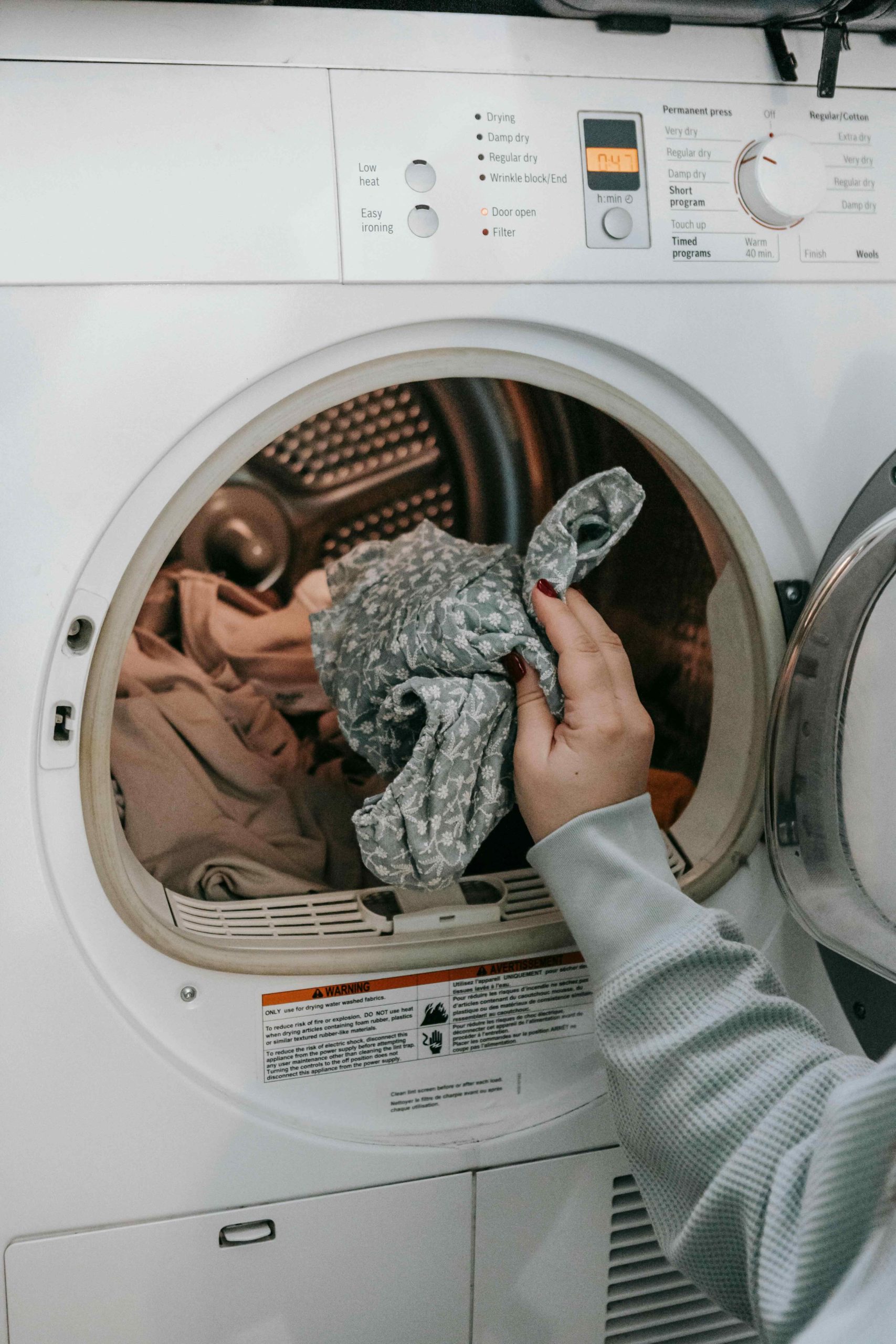
What about hot washes?
Hot water is an effective setting for deodorising and disinfecting fabrics, resulting in brightening of light colours and whites. With that being said, hot water is harder on fabrics, and caution should be taken with the types and the number of times certain garments are washed on this setting. Here is a list of garments that could do with a regular hot water wash (60ºC+):
- Bath towels (wash in hot water to rid of a build-up of bacteria and musty odours)
- Sheets and pillowcases (hot water helps get rid of make-up, sweat, and dead skin cells)
- Baby clothing (it is important to disinfect these in hot water regularly)
- Kitchen towels (one of the dirtiest items in the kitchen, pre-treat for stains and wash)
- Underwear
- Socks
To avoid unnecessary colour loss or pilling, turn garments inside out before washing on this setting.
Avoid these garments for each wash
- Cold wash: items needing sanitation, deodorising or heavily stained fabrics
- Warm wash: silk, delicates, fabrics prone to shrinkage, fabrics with grass or blood stains
- Hot wash: synthetics, delicates, coloured fabrics, wool, fabrics with grass or blood stains
