
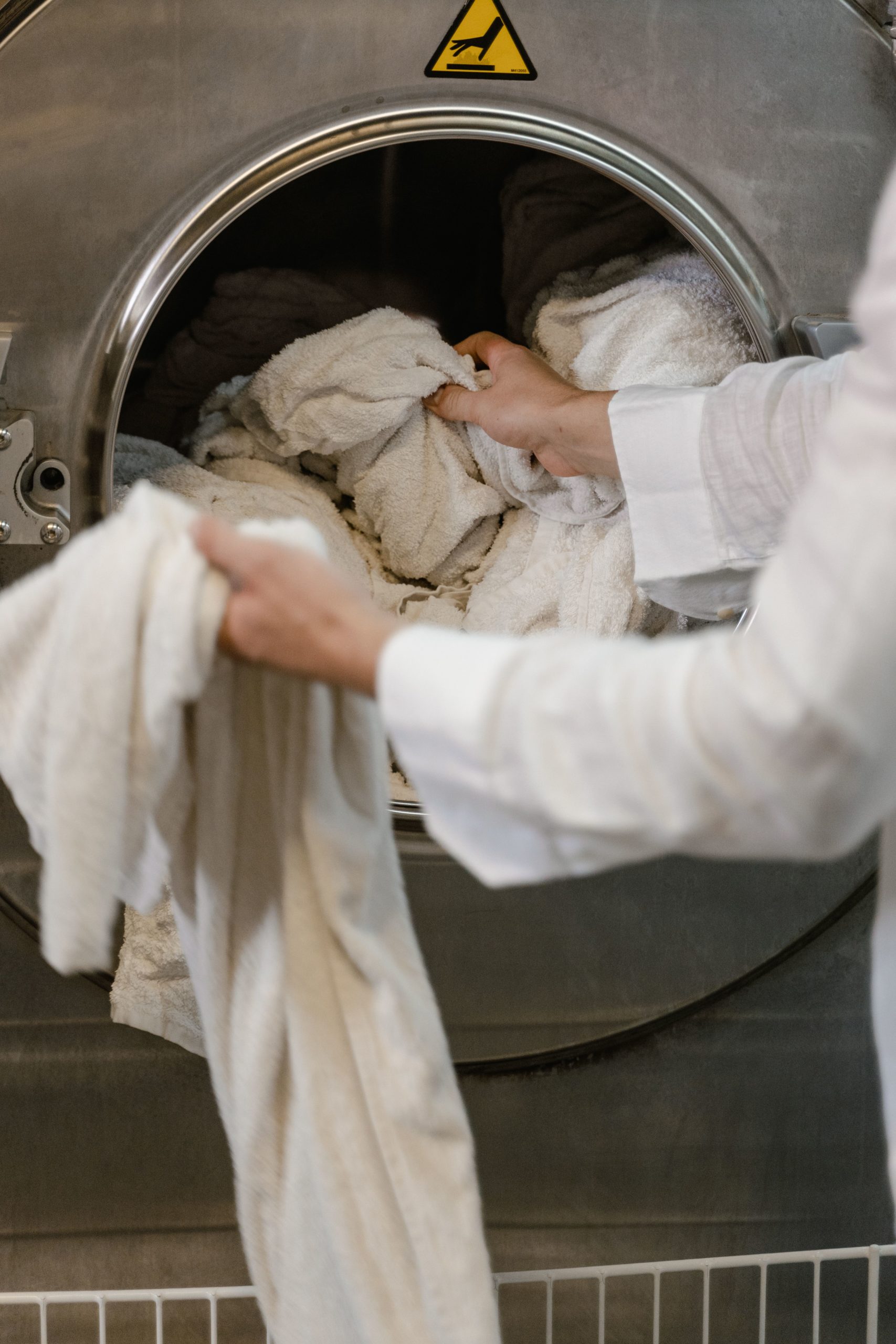
The one laundry habit that’s making your clothes wear out faster is literally right under your nose: the detergent.
While tumble drying, over-washing and too much direct sunlight are valid contributors, using too much laundry detergent is the main culprit. Most of us have been using way too much, too often, and still wonder why our clothes start to look dull or stretched out only a few months after purchase. The exact amounts and types of detergent matter, and that’s why we’ve created a guide just for laundry detergent.
The one laundry habit ruining your clothes
It’s not entirely our fault. Modern washing machines have made leaps and bounds in the industry, and the new tech means more efficient agitation and effective rinse cycles, where older machines needed the extra detergent to get clothes cleaner. And on top of that, companies have made a whole range of detergent types available to us. Some are an all-in-one pod; others are expertly formulated to contain stain removers and whiteners. Not to mention the stronger and more effective stain removers we can buy to pre-treat clothes before they’re even thrown into the wash.
So while all these new things are being discovered and put into action, we kinda let the ball drop a little. When buying into all the new stuff, we sometimes forget to do some research, as in reading the label. To my astonishment, the 1/4-1/2 cap of detergent I use for a load of washing has been a tad too much. And with a little internet research, I also found out that most liquid laundry detergents are concentrated solutions – meaning they need to be diluted or used very sparingly.
Needless to say, the proof was in my pudding. Looking through some of my clothes, I could see how too much detergent was damaging them (and my budget):
- Increased residue
- Colour loss
- Texture change
- Chalky residue
- Newish clothes already looking worn out
So let’s get down to it. How much detergent are we actually meant to use?
Keep to the below amounts when washing a standard/normal load. If the load is smaller, use 1 to 2 tablespoons less. If the load is bigger, only top up with 1 tablespoon and not more. But as with any manufactured product, check out the instructions on the label for exact amounts per brand/type of detergent.
Top loader washing machines
- Powder: Roughly 180 ml or 1/2 cup
- Liquid: 2 to 3 tablespoons, or 30 to 45 ml
- Concentrated liquid: 2 to 3 pumps/teaspoons (check label for exact amounts)
- Pods: 1 pod for regular, 2 for larger, heavily soiled loads
Front loader washing machines
- Powder: Roughly 2 tablespoons to 60 ml or a 1/4 cup
- Liquid: 2 tablespoons, or up to 4 tablespoons or 1/4 cup for heavily soiled loads
- Concentrated liquid: 2 pumps/teaspoons (check the label for exact amounts)
- Pods: 1 pod for regular and most heavier loads, 2 for heavily soiled loads
Tips for making your clothes last longer
While using less detergent will take care of half the story, there are still a few things you can do to ensure garment longevity. Keep your clothes smelling fresh and lasting long with these tips:
- Don’t overcrowd the washing machine. Too many clothes means the water won’t soak and rinse properly, and the detergent will cause unnecessary buildup and a chalky residue
- Know your care labels. Understanding which fabrics need more care and which don’t can make a big difference. It might mean a more tailored laundry approach, but longer-lasting clothes.
- Use cold or lukewarm washing cycles and avoid hotter cycles where possible.
- Avoid tumble drying your clothes if you can. Natural sunlight is free and does wonders for your garments (kills off any bacteria and other germs, rids them of odours, and just feels better).
- Turn delicate clothes inside out before washing and drying to maintain texture and colour, buttons, embroidery and other bits.
- Wash less! Yes, where clothes are without stains, sweat and odours, you can hang them up and wear them another day. Not every item needs to be washed after every use.
- Store clothes as soon as possible. While that chair or bathroom laundry basket are arguably more convenient, your clothes need to be kept in a dark, cool cupboard, away from other dangers (like moisture from the bathroom, drinks or food spills from passers-by, and pets). Fold sturdy fabrics, and always hang delicate fabrics.
