
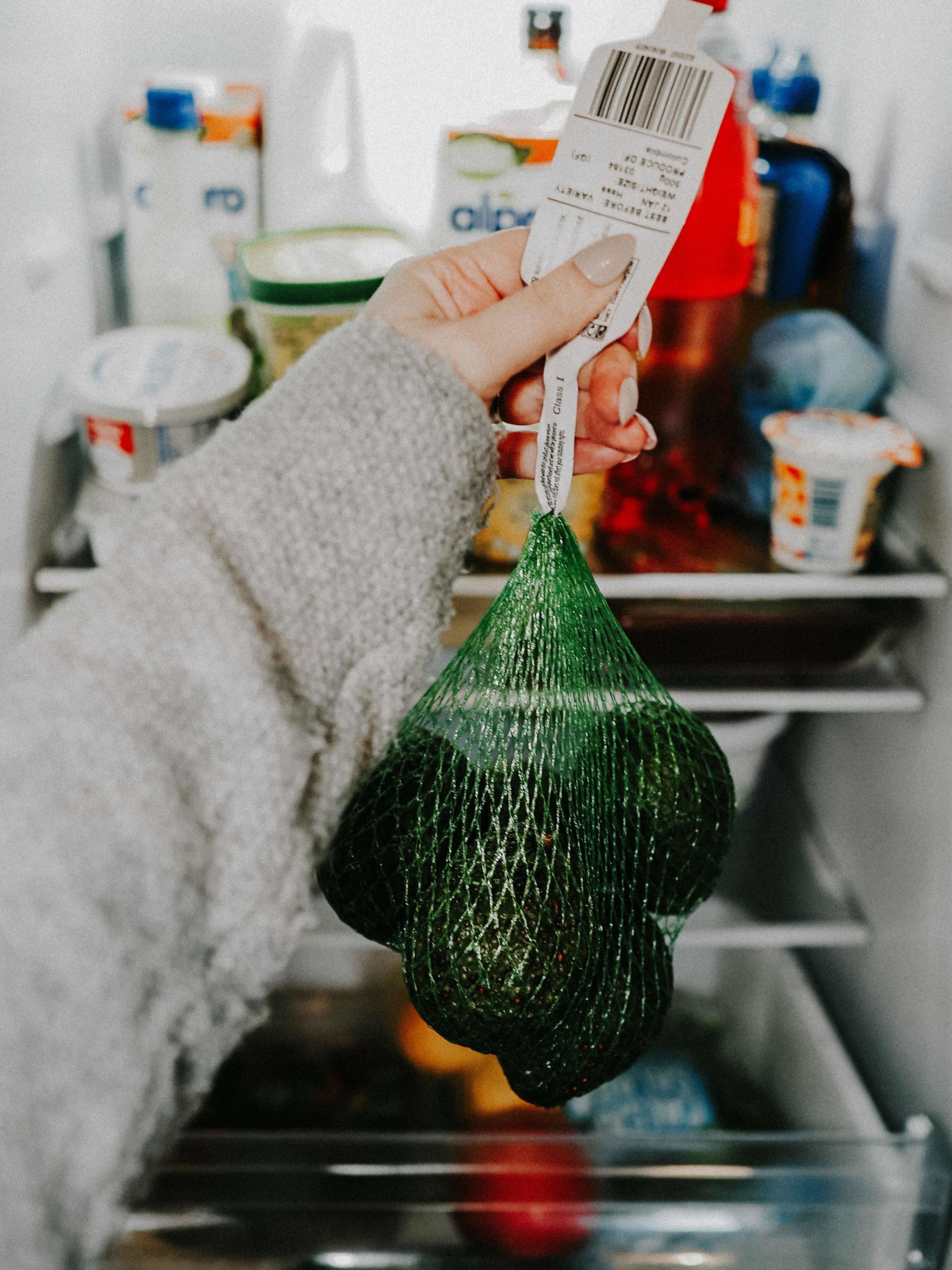
Almost all packaged foods, whether fresh or processed, have some or other date stamped on them. They can include a “sell-by”, “best before”, “use-by” or “expiration” date, or all three. And sometimes that tin of tomato and onion mix gets pushed far back into the corner of your cupboard, only to be found a few months later. Or that vacuum-packed block of cheese or ham you remember you bought a couple of grocery runs ago.
Can you still eat them? Or are these stamped-on dates final?
In this guide, we take a look at the differences between dates and whether there are any foods you can eat past their expiry date.
What expiration date labels actually mean
What actually is the difference between a “sell-by”, “use-by” and “expiration” date?
- Sell-by: also known as a “best before” date, the sell-by date indicates when manufacturers or companies believe the quality starts to decline, not specifically stating or addressing the product’s safety. You can usually still purchase and consume products after the indicated date.
- Use-by: also known as the “expiration” date, the use-by date indicates quality, but isn’t always spot on. Some foods might be past their use-by date but are still perfectly safe to eat.
So if these dates really are just guidelines, how can you tell whether to toss that block of cheese or use it for dinner?
Firstly, it’s all about storage. Where has that product been stored? Has it been placed in a container, and at what temperature has it been kept? If you follow a product’s label guidelines, i.e. store in the fridge after opening, and your fridge is at the recommended 0º-4ºC, then you move on to the next set of indicators. If you did not follow label instructions, like storing cheese open in your pantry cupboard, then it might be safe to say it really needs to be thrown out.
Not following storage guidelines for food is what leads to serious harm. Foods kept in their opened container, or without one, and at the wrong (or fluctuating) temperatures, increase the risk for the growth of harmful bacteria like Salmonella and Listeria.
Secondly, do these three tests, if any one of them makes you suspicious – it’s time to chuck it:
- Look: see any mould, slime or other odd textures? Even the smallest sight of a different colour (white, blue, green, pink) means the food is compromised.
- Smell: any off odours indicate compromised quality, no need to taste test it.
- Feel: if the food feels slimy, it’s compromised. If it feels squishy when it should be crisp, like carrots or lettuce, then it’s compromised. Any unusual feeling other than what the food item should feel like is a clear indicator that it’s off.
If the food passes all these tests, then the final thing you can do is taste a small piece. If you’re happy, then use it instead of tossing it. While these dates are very important, most of the time we’re throwing away perfectly healthy food. However, there are a few foods that cannot be consumed after any of the above dates, even if they pass the first and second tests.
7 Foods you should never consume after any date
The following foods are at higher risk of losing their quality or carrying harmful pathogens, with experts urging consumers not to take a chance.
- Infant formula
- Soft cheeses (like cottage cheese, ricotta, and cream cheese)
- Deli meat
- Fresh berries
- Restaurant leftovers
- Raw fish
- Cooking oils
