
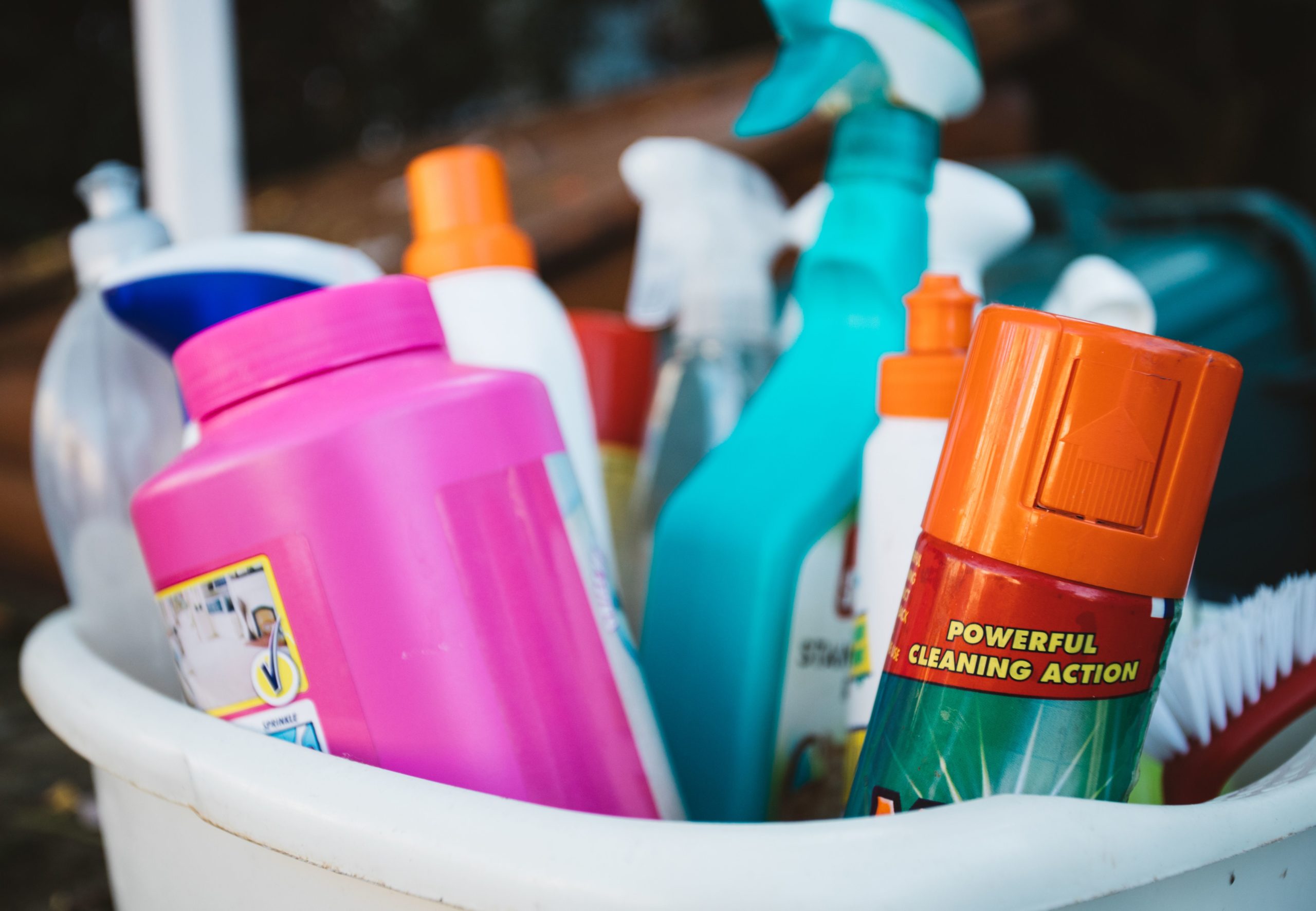
A visit to your local supermarket is where you’ll find a whole bunch of commercial cleaning products, all promising to cut through the toughest stains and grease. A quick Google search for natural cleaners and you’ll quickly be overwhelmed with DIY combinations of pantry staples, like mild dish soap and vinegar.
What really is the difference between natural cleaners vs commercial cleaners, and when is the best time to use each and avoid unnecessary damage? We’ve put together all the facts and busted the myths in our cleaning guide below.
Natural cleaners vs commercial cleaners
There is a lot of talk out there about the amazing benefits of using mild dish soap and other DIY combinations to clean your home. From the kitchen and bathroom to the lounge and laundry room, many claim that there isn’t much that natural, sustainable and eco-friendly cleaners can’t clean. But how true is that really?
Commercial cleaners are made for a reason; surely they outweigh the natural products? While many commercial cleaners are formulated for specific tasks, such as removing baked-on grease, disinfecting or breaking down mineral deposits, they’re not always the best choice for every surface or cleaning job.
And if we turn a dial back a few decades, we didn’t always have access to heavy-duty cleaners – in fact, we only had natural products to work with. While natural cleaners won’t be able to clean every surface, room, or garment perfectly, they can do much of the heavy lifting – leaving the commercial stuff for things that really need them.
It isn’t necessarily what you have; it’s what you use it for. So, yes, that vinegar solution will help lift stubborn stains from your loved one’s shirt, and a commercially made heavy-duty oven and braai cleaner might be the only product that gets your rooster sparkling again (just in time for your next braai with friends). So let’s get into the specifics.
When to use each type of cleaning product
While natural cleaning products can be used throughout the household (because they will seldom damage surfaces, furniture and garments), some things call for a stronger chemical.
Natural cleaners
Natural cleaners can be used to wipe surfaces, clean windows, clean the bathtub and shower, descale shower heads and kettles, lift stains from garments and furniture, and to scrub floors. The most common items used to make various DIY cleaning combinations include:
- Mild dish soap (like Sunlight): De-greaser
- White distilled vinegar: Dissolves mineral deposits and cuts through light grease
- Bicarbonate of soda: Mild abrasive
- Lemon: De-greaser
- Salt: Mild abrasive
- Essential oils: Scent
- Rubbing alcohol: De-greaser
- Hydrogen peroxide: Mild disinfectant and stain remover
The above list can be combined in many ways to make stain removers, de-greasers, drain cleaners, surface cleaners, and all-purpose cleaners. And since they don’t contain harsh chemicals that can inherently damage surfaces (or even your skin and airways), they can be left to soak and used more frequently than commercial products. Natural cleaners are generally gentler than many commercial products, but they can still damage certain surfaces. Vinegar, for example, should never be used on natural stone.
While many natural cleaners are made with the same ingredients, their ratios differ depending on the type of cleaning they’ll be used for.
Here are 3 ratios you can keep going back to when it’s time to clean:
Ratio #1 Surface cleaner: 2: 1: 1/2: 1/2
Mix 2 cups of bicarbonate of soda, 1 cup of water, 1/2 cup of dish soap, and 1/2 cup of vinegar in a spray bottle to make a natural surface cleaner. The combination of dish soap and vinegar helps cut through light to mild grease and soap build-up, while the bicarb creates a light abrasive effect that helps remove scum, food bits and other debris.
Ratio #2 Abrasive scrub: 1/2: 1 OR 1/2: 4
If you mix 1/2 cup of bicarbonate of soda with 1 cup of water, you’ve got a nice thick paste that you can pour onto stubborn areas. This abrasive paste works to get rid of scum and other build-up you normally find around the base of taps, bath and shower corners and grouting. Salt works as a great substitute for bicarb here. Add a couple of drops of dish soap to the paste and apply to stubborn stains on your laundry items. Gently rub them in and leave to sit for 15 minutes to 1 hour before popping them in the washing machine.
If you’re looking for more of a thinner scrubber, then mix 1/2 cup of bicarbonate of soda with 4 cups of water. This is great for scrubbing natural stone, tiles, grout, caulk, and other surfaces. Pop a couple of drops of fresh lemon juice or your favourite essential oil to add a pleasant scent to the area you’re cleaning.
Ratio #3 De-greaser: 1:24
Mild dish soap and vinegar are some of the best natural cleaning products that can act as de-greasers. While mixing 1 part dish soap with 24 parts vinegar might sound absurd, it usually looks like combining 1/4 teaspoon of dish soap with 1/4 cup of vinegar. This then needs to be diluted with plain water, and 2 cups usually does the trick. Adding rubbing alcohol to the mix (about 1/4 to 1/2 cup) can also help ensure excess grease is removed. Just like in this DIY window cleaning recipe.
The good news? These natural cleaning items are affordable and widely available. Even better? Many supermarkets are making their own affordable natural cleaners in-house using the same or similar items, so you can buy a pre-mixed natural cleaner instead of mixing your own.
Commercial cleaners
Commercial cleaners are the heavy-duty products that many public spaces, businesses, factories and hospitals rely on to keep clean and hygienic. Your local laundromat really does need heavy-duty stain removers and washing detergent to keep their customers happy. Your laundry will get away with maybe one or two. Restaurants need heavy-duty de-greasers and bathroom cleaners because of the sheer amount of food they make and foot traffic they experience daily. Your braai and bathroom can be cleaned with one commercial product. Hospitals need a whole range of commercial cleaners and equipment to clean and sanitise tools, rooms and other items.
It’s all about perspective. While most households don’t need a cupboard packed with commercial cleaning products, they will benefit from a few:
- Bleach (thick and thin, like Domestos and Jik)
- Drain cleaners
- Detergents for the dishwasher and washing machine
- Stain removers
- Fabric softener
- Furniture polish
- Heavy-duty de-greasers like oven cleaner
- Heavy-duty abrasives (like Bar Keepers Friend or The Pink Stuff paste)
- Sanitisers
While there are natural substitutes, they can be tricky to source and won’t always effectively clean. Some things are just worth buying.
Never mix natural and commercial products
While it might be tempting to combine natural cleaners with commercial ones for stubborn areas, mixing certain cleaning products can create life-threatening fumes. Never, under any circumstances (no matter how desperately you want something cleaned), mix the following products:
- Bleach and vinegar: Forms chlorine gas that irritates the eyes and airways, causing serious breathing problems, and when combined with water, can cause skin burns.
- Hydrogen peroxide and vinegar: This produces peracetic acid, a corrosive substance that irritates the eyes, skin, and airways and can be extremely harmful if ingested.
- Bleach and ammonia: This forms chloramine, a toxic gas that makes it hard to see and breathe, even causing nausea, vomiting, and damage to lung tissue.
- Bleach and rubbing alcohol: Create highly toxic chloroform that can cause major organ damage and corrode any surface it comes into contact with.
- Different drain cleaners: Some drain cleaners contain strong acids, while others contain strong bases. Mixing different types of drain cleaners can cause a chemical reaction that generates heat, potentially causing thermal burns or releasing toxic gases.
- Oven cleaner and bleach: Oven cleaners usually contain alkaline substances, and when mixed with bleach, can produce chlorine gas, which irritates the eyes and airways and potentially causes skin burns.
Also See: How to clean oven glass properly and get rid of stubborn stains
How to clean oven glass properly and get rid of stubborn stains
