
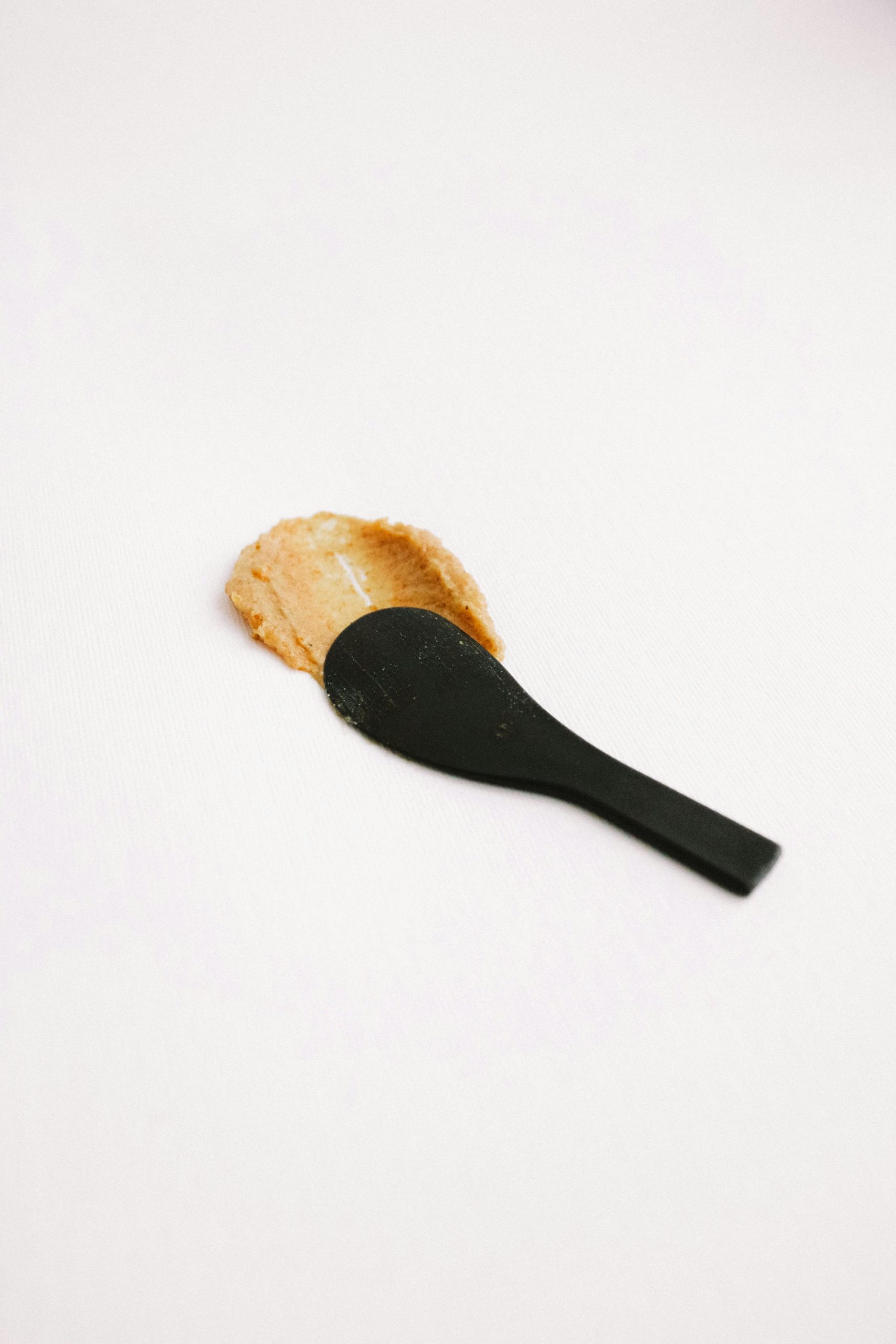
Miso is a Japanese fermented paste that is rich with earthy, salty, umami and slightly funky flavour. It’s one of the most versatile fermented pastes (and there are quite a few pastes out there), used in both savoury and sweet cooking! Find out everything you need to know about miso, from exactly what it is and different types, to how to cook with it and a few dos and don’ts.
What exactly is miso
Miso is a fermented soybean paste. It is made by combining three ingredients – soybeans, salt and koji (a friendly and gut-healthy fungus that grows on grains like rice and barley) – and left to ferment or age for months, even years. The result is an umami-rich paste that helps season and deliver a big punch of flavour to a range of dishes.
Miso is the easiest and surefire way to add flavour and interest to a dish. The best part? You don’t even have to pair it with a stock you’ve been simmering for hours, or a never-ending list of ingredients – you can actively choose to be a lazy cook when using miso (how wonderful).
Types of miso
Miso gained popularity in the 12th century, where miso soup became a dietary staple in Japan, fuelling many breakfasts. Farmers across Japan began making their own miso – using a form of koji to inoculate grains grown on their land. The northern farmers produced a miso made from rice, whereas the southern farmers produced a miso made from barley. As the 17th century came along, the Industrial Revolution led to the commercial production of miso, making this nutrient-dense soybean paste widely available today. There are many variations of miso today, in fact, around 1,300! But the grain used to inoculate the koji is what distinguishes the type of miso produced.
- Kome miso: made with rice koji
- Mugi miso: made with barley koji
- Kome miso: made with rice koji, and one of the most commonly commercially produced types
There are over 1,000 variations of miso, ranging from region-specific (like hatcho miso) to combination grain-based misos (like genmai and inaka miso), and even a mix of red and white (like awase miso).
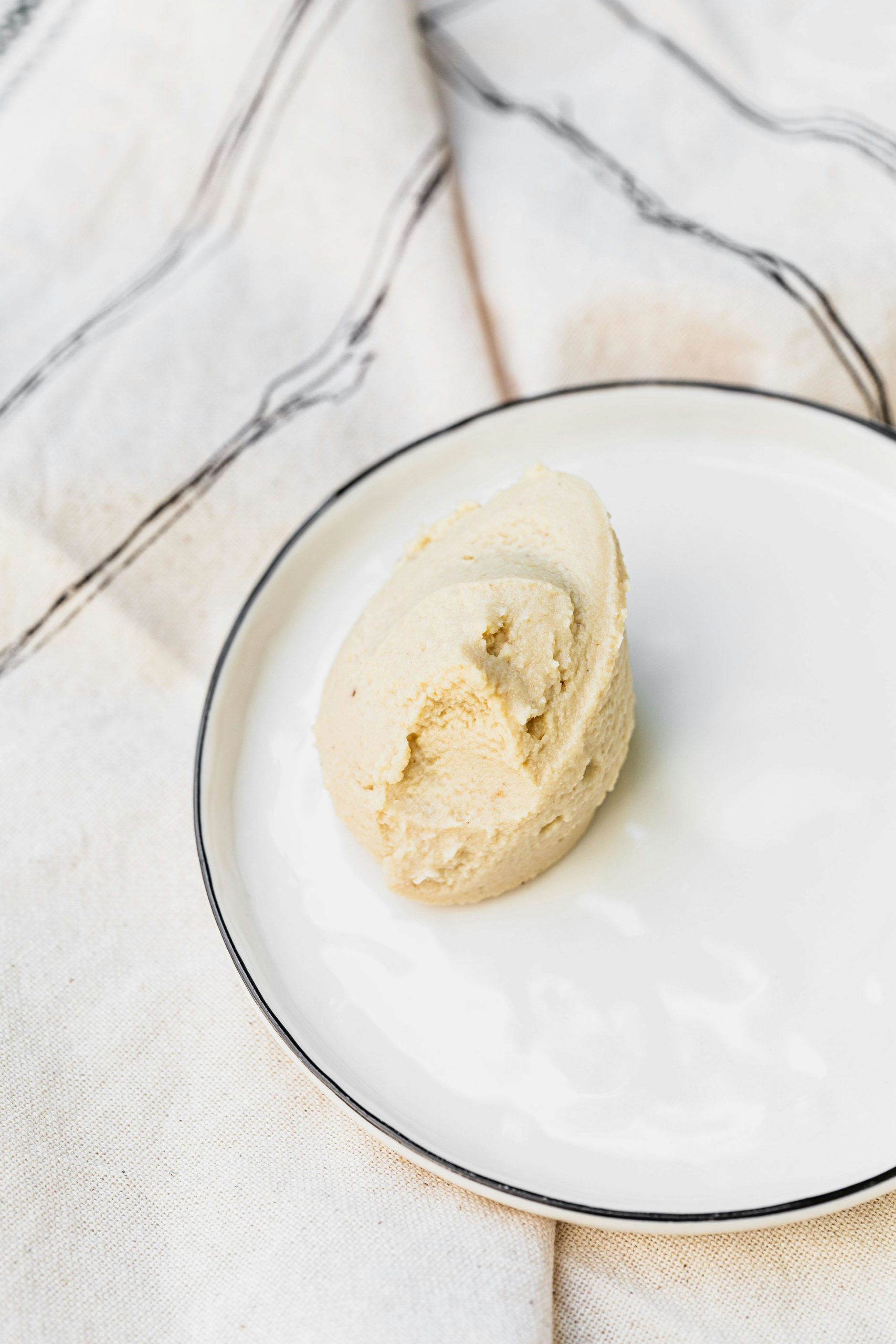
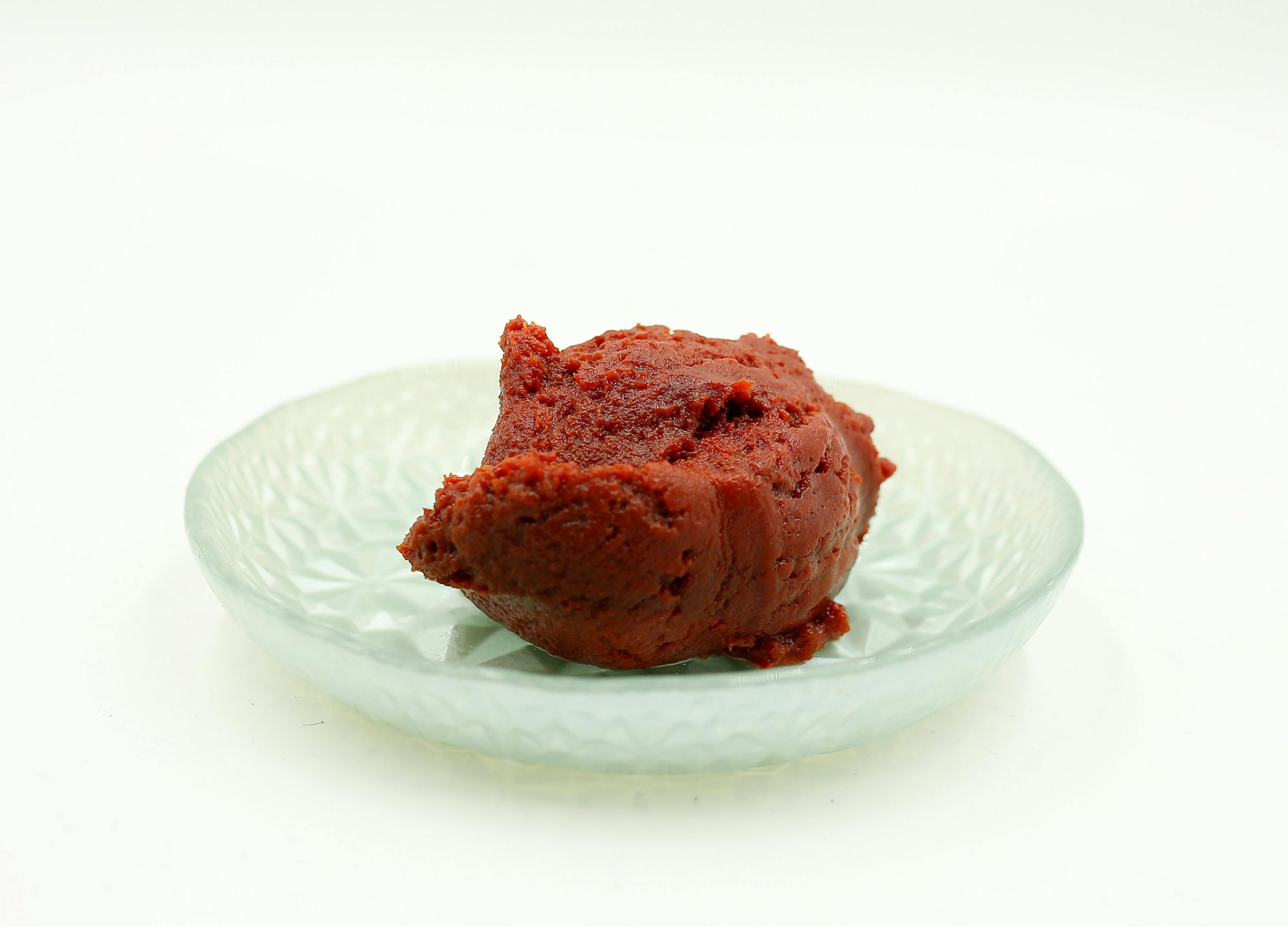
However, in layman’s terms, or in commercial grocery stores, the only ‘types’ of miso paste you find are “shiro” or white miso and “miso” or red miso. The difference here is the fermentation time: white miso is fermented for around three months to one year, whereas red miso is fermented for six months to five or even ten years.
- White miso: sweeter, mild, white/yellow colour, delicate flavours; best used with light meats, vegetables, fish, marinades, salad dressings or in butter
- Red miso: richer, saltier, funkier, reddish-brown colour, made with a higher proportion of soybeans to koji; best used with red meats, hearty vegetables, oily fish, rich stews and braises
How to cook with miso
Miso is a versatile paste that not only works in Japanese cuisine. Today, chefs and home cooks all over the globe use it to spice up a stew they threw together on a cool Saturday afternoon, or whip up a quick pick-me-up soup for breakfast. Miso helps to:
- Make flavours richer, no matter the dish. A teaspoon of miso is enough to bump up your creamed spinach or pesto.
- Create complex flavours and depth in desserts, especially caramel-based dishes. Its saltiness also perfectly balances the sweetness.
- Thicken sauces, dressings and marinades. Since miso is protein-based, it works as well as (if not better) than a cornflour slurry.
Try this: Miso and ginger whole fish
Dos and don’ts
Dos
- Strain miso for soups and broths: use a small sieve to submerge the paste in the soup or broth, and with a spoon, whisk it in the liquid through the sieve to properly dissolve it and prevent any overly salty nuggets from landing up in someone else’s bowl
- Thin miso paste when using in dressings and marinades to avoid lumpy, clumpy messes; thin with olive oil or sake in a bowl with a small whisk
Don’ts
- Never boil miso! High heats break down its aromatic flavours and nutritional benefits, making it taste dull and less beneficial for your gut. Add miso towards the end of cooking, either over a gentle simmer or with the heat turned off.
- Leave excess marinades on meats, fish and vegetables. The sugar content in miso paste will easily catch on fire when grilling, which can create a bitter and one-dimensional flavour.
- Never store miso paste in an open container in a cupboard. Always follow package instructions, or ensure the paste is stored in an air-tight container in the fridge for three months to a year.
Also See: Pantry spotlight: gochujang, doenjang and ssamjang explained
Pantry spotlight: gochujang, doenjang and ssamjang explained
