
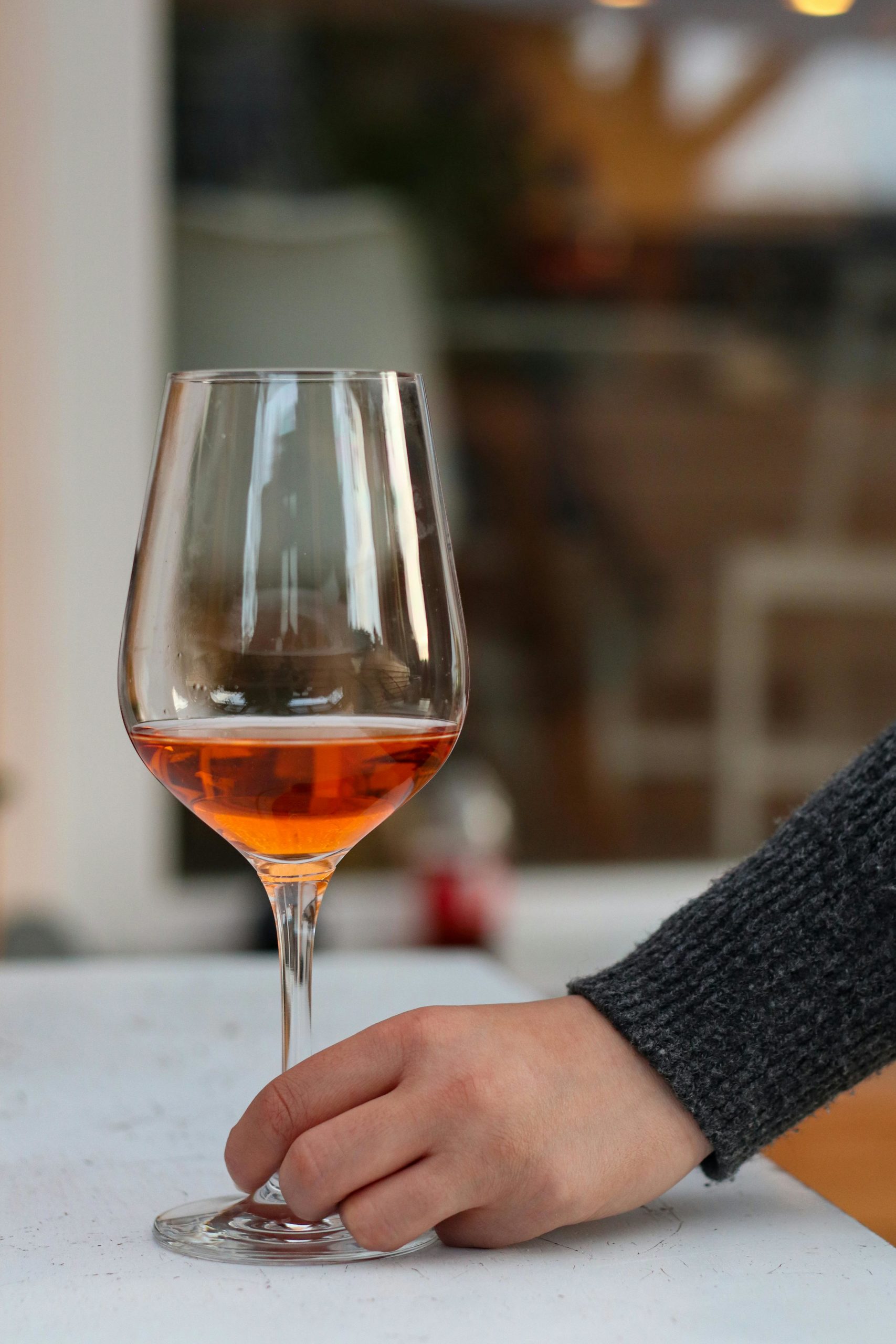
If “orange wine” sounds like something dreamed up on a summer afternoon with a citrus press in hand, think again.
This amber-toned beauty is less about fruit salad, more about ancient technique – and it’s quietly becoming the cool kid on the wine shelf.
So, what exactly is orange wine?
First things first: no oranges were harmed in the making of this wine. The name simply nods to its colour, which can range from a soft golden glow to a deep, burnished amber.
Orange wine starts its life as a white wine, but with a twist. Instead of quickly separating the juice from the grape skins (as is typical), winemakers leave the skins and seeds in contact with the juice for days, weeks, or even months. This process – called skin contact – is what gives the wine its signature hue, texture, and personality.
It’s a little rebellious, a little unexpected, and entirely delicious.
A sip of history
While it may feel like a trendy newcomer, orange wine is anything but. Its roots stretch back thousands of years to Georgia (the country), where winemakers fermented grapes in large clay vessels buried underground. The method is old-school in the best way – slow, patient, and deeply connected to the land.
Over time, the style travelled across parts of Europe, quietly persisting before catching the eye (and palate) of today’s natural wine lovers. Now, it’s back in the spotlight, and frankly, it deserves the attention.
Why everyone’s talking about it
Orange wine has found its moment thanks to a growing appetite for wines that feel more authentic and less polished. Think minimal intervention – less fuss, fewer additives, and a stronger sense of place in every sip.
It’s also a refreshing break from the usual suspects. For anyone bored of predictable whites or heavy reds, orange wine offers something in between – a bit textured, a bit wild, and completely intriguing.
And yes, it can be slightly cloudy. That’s part of the charm.
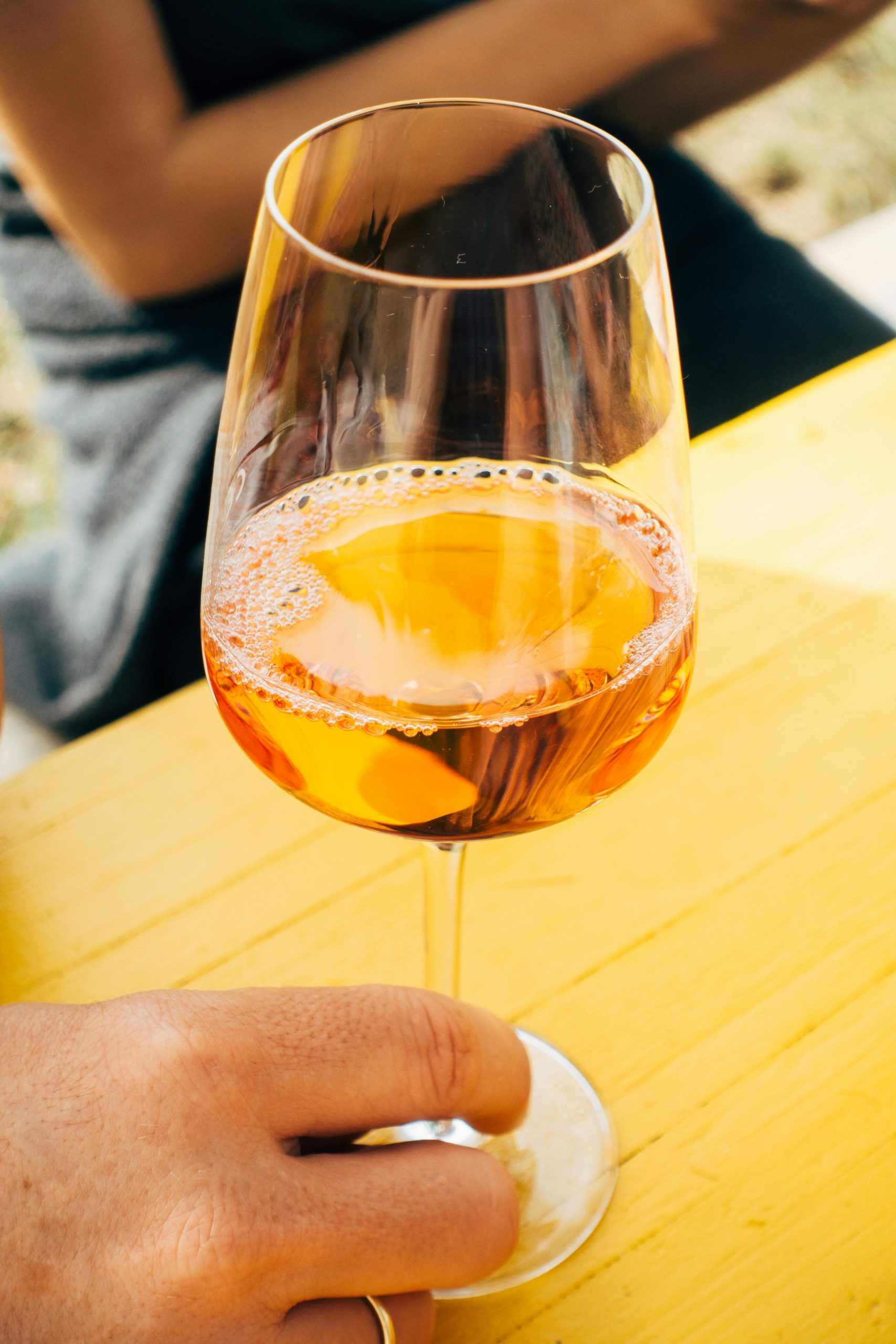
What does it taste like?
Trying to pin down orange wine is like describing your favourite playlist – it depends on the mood. But there are a few notes you’ll likely encounter.
Expect layers of ripe stone fruit – apricot, peach, maybe even a hint of citrus peel – balanced by savoury touches like nuts, honey, and warm spice. There’s often a gentle tang and a dry, slightly grippy finish, thanks to those tannins from the skins.
In short? It drinks like a white with a red’s backbone. Fresh, but with depth.
What to pair it with
This is where orange wine really shines. Its structure means it can handle bold flavours without breaking a sweat.
Pour a glass alongside roast chicken, earthy mushroom dishes, or anything with a bit of spice – think fragrant curries or Asian-inspired plates. It also plays beautifully with strong cheeses and charcuterie, making it a natural choice for long, lazy grazing tables.
Orange wine isn’t just a trend – it’s a revival. A return to slower, more thoughtful winemaking, wrapped up in a glass that feels just a little bit different.
So next time you spot that amber glow on the shelf, don’t overthink it. Take it home, pour generously, and enjoy something that’s been centuries in the making.
ALSO SEE: HOW TO TASTE WINE LIKE A CONNOISSEUR
