
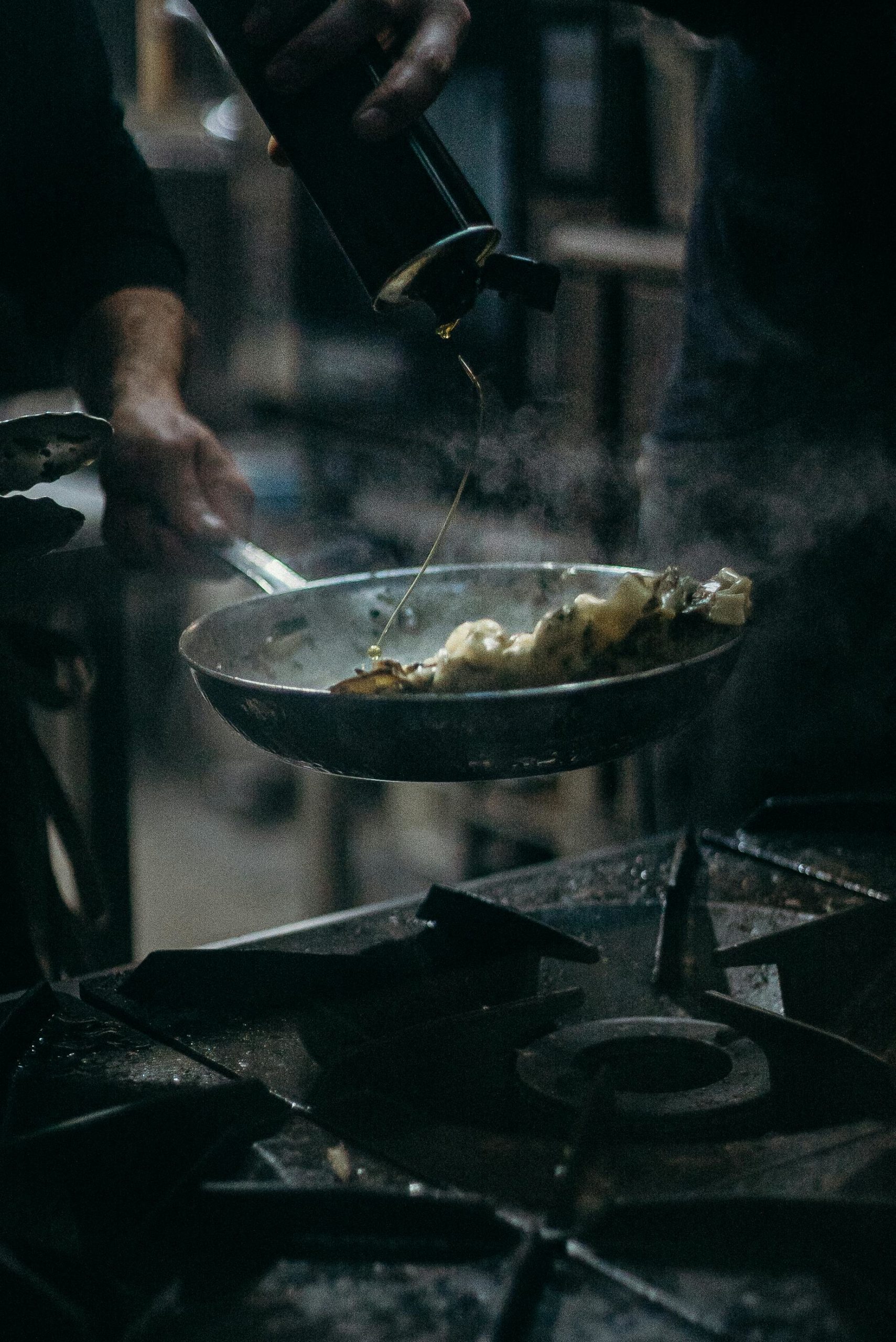
The cooking world is filled with a lot of dos and don’ts – especially when it comes to butter vs olive oil, and other cooking mediums. Some critics insist that butter has a bad rep for being way too fatty to cook healthy meals, and olive oil is only meant to be used with minimal heat, or kept for making vinaigrettes.
Although dependent on your health and personal preference, it can be tricky to decide between butter and olive oil when you’re rustling up some dinner. We’ve broken down the pros and cons for using each, and busted common myths to make your decision process that much easier.
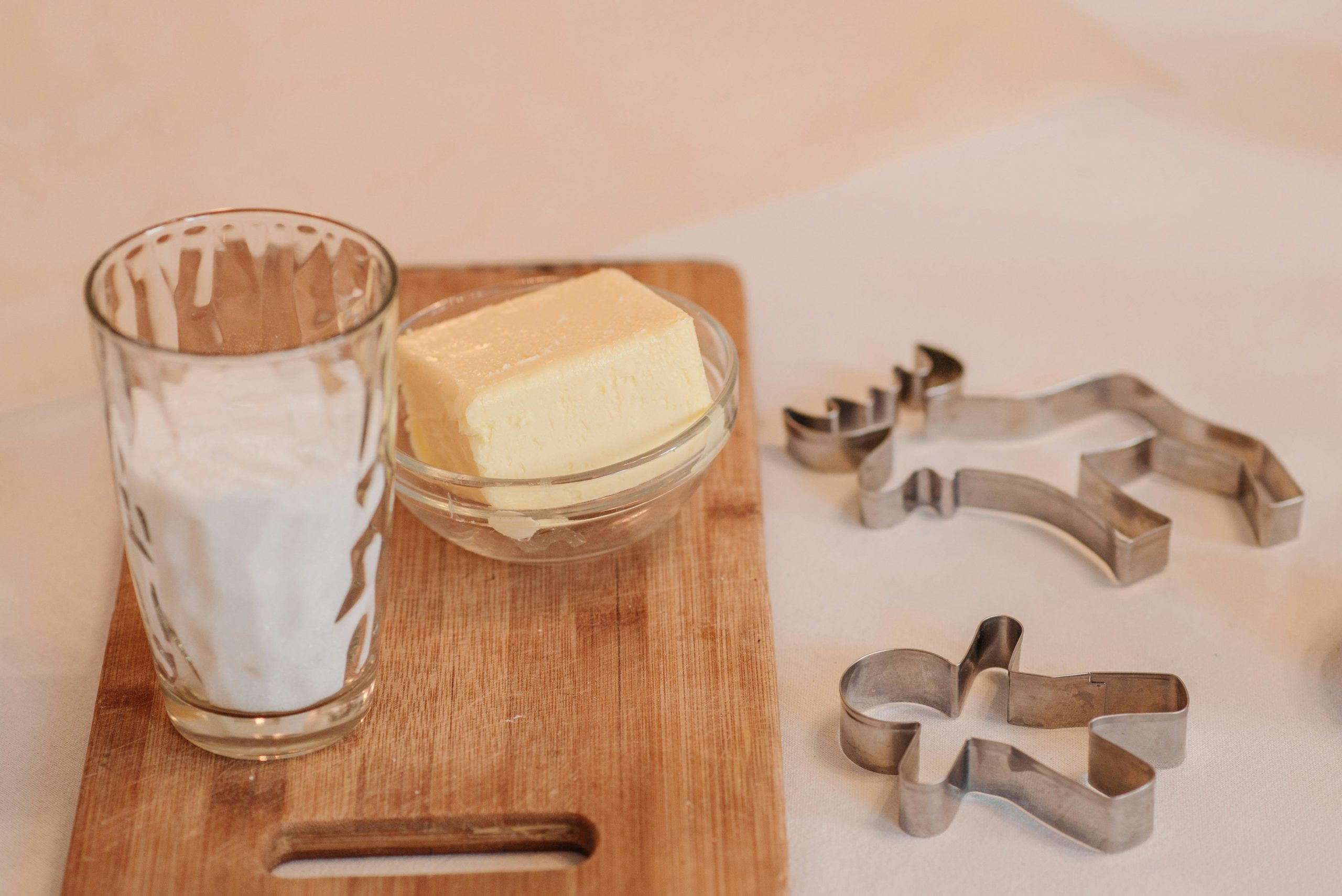
The truth about butter
The most loved fat in the kitchen (and notably the most expensive), butter can almost do it all and add tremendous amounts of flavour (from the perfect pan-juice gravy and Hollandaise sauce to the flakiest croissants and smoothest butter icing).
It’s also surprisingly packed with nutrients, such as fat-soluble vitamins A, D, E and K. With good comes bad – butter has its upsides and downsides. However, its versatility in the kitchen is worth the hype: from sauteeing, stuffing, and even baking, butter is definitely worth every cent.
Pros
- Flavourful: the milk solids and cream compounds in butter are what provide flavour and depth in both sweet and savoury dishes; not to mention how it can turn from a pale golden colour to a deep umber with a little heat, making its flavour that more complex.
- Customisable: You can buy salted or unsalted butter, having a lot more control over the saltiness (a.k.a. flavour) of your dish
- Emulsifier: butter helps emulsify sauces and gravies, especially a quick and easy pan gravy; i.e. no need for overly-complex techniques or additional ingredients
Cons
- Low smoke point: although the milk solids are what provide flavour, they also mean that butter has a super low smoke point, making it very sensitive to heat and prone to burning (not the umber colour and caramelised flavour we’re looking for); this makes it tricky to use when sauteeing or grilling foods on high heat
- Expensive: a brick of butter can cost anywhere between R60 and R80 today, making it an expensive item to stock and cook with (especially when you burn it)
- High saturated fat content: it’s no surprise that butter has a high saturated fat content, and any health practitioner or dietician will tell you the serious health implications that come with unlimited consumption (maybe not the French or Julia Child, though)
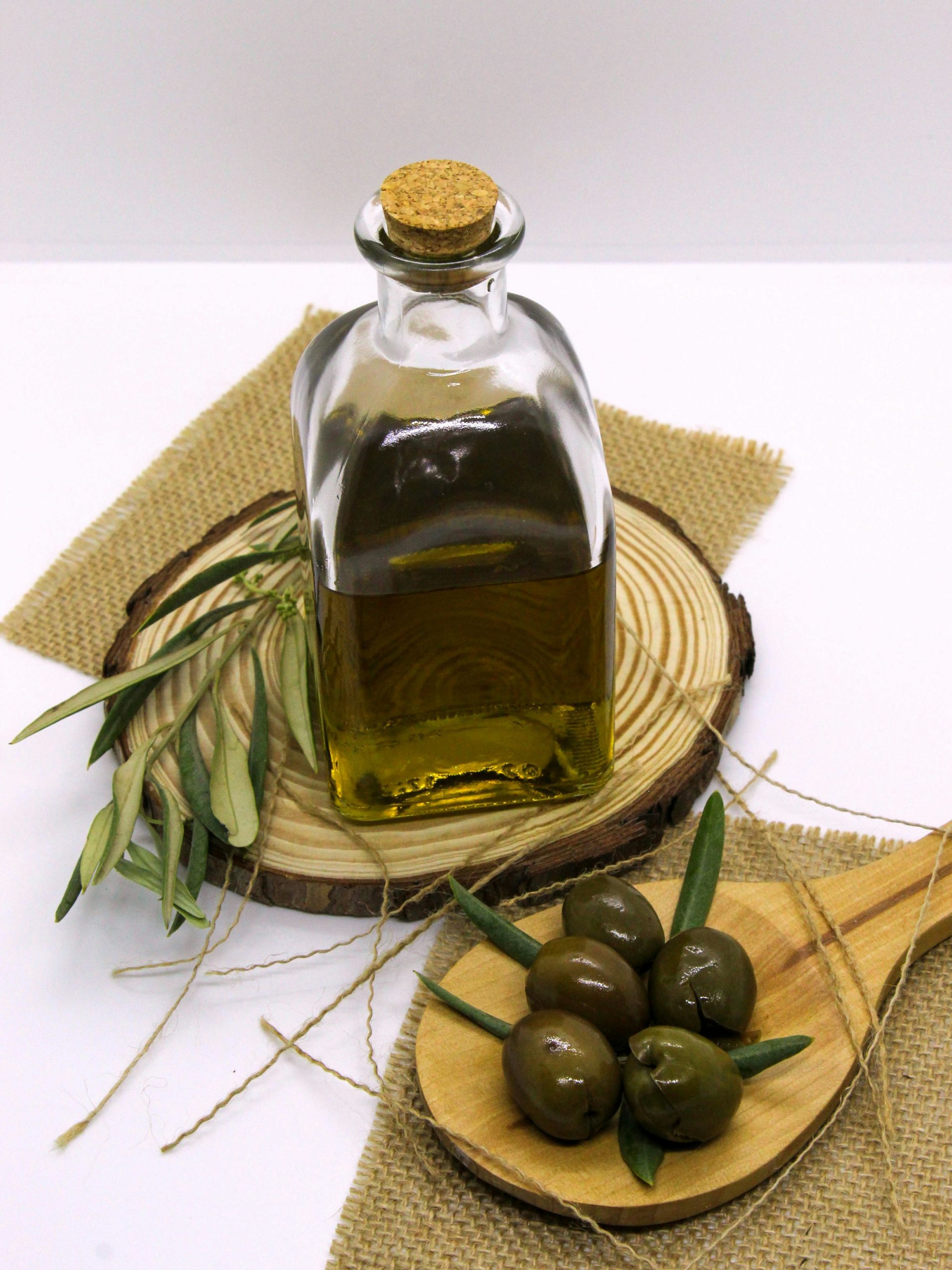
The truth about olive oil
Olive oil is a fruit oil made by compressing olives under high pressure. It brings a fruity flavour and aroma to dishes and is commonly used in various cooking and baking applications. Moreover, it contains antioxidants and heart-healthy fats, like vitamin E, oleacein and oleocanthal.
But its use in the kitchen is quite contested: some critics happily use it for a range of cooking, while others are adamant about only using olive oil for certain cooking and baking applications (like vinaigrettes and other dressings).
Pros
- Flavourful: olive oils provide a dish with complexity with its fruity flavours and aromas; the number of times it has been cold-pressed determines the flavour intensity (extra virgin olive oils have the most intense flavours, while olive oil pressed more than two times and/or blended with other oils, has the least intense flavour)
- High smoking point: most olive oils have a high smoking point, and can easily be used for sauteeing, roasting, and even shallow-frying (except extra virgin olive oils)
Cons
- Sensitive: while a high smoke point is a bonus, extra virgin olive oil is very sensitive to heat, meaning that its complex flavour and aroma are lost when exposed to heat, leaving your choice of olive oil restricted to virgin olive oil and blended olive oil (with less intense to no fruity flavours)
- Expensive: olive oils have always been expensive, but more so with climate change and unstable economies; if your budget can include it, you will most probably be using it sparingly
The final verdict
While both butter and olive oil provide complex flavours to dishes and are used in both sweet and savoury applications, they both have their limits. And while (like me) you can use a combination of both when cooking, here’s a list of their best uses that make life in the kitchen a little simpler:
Best uses for butter
- Use towards the end of sauteeing meats and veggies
- Use to help thicken or emulsify pan-juices and gravies
- Cool down when using for baking
- Heat and clarify to make ghee (for an even higher smoking point)
- Slowly heat and caramelise the milk solids for extra flavour (i.e. for nutty baked goods, or darker roux)
- Use sparingly to limit your consumption of saturated fats
Best uses for olive oil
- Use extra virgin olive oil for finishing touches and vinaigrettes (i.e. finish quiches, salads, and even pizzas before serving for an extra dimension to flavour)
- Use virgin olive oil and olive oil blends for sauteeing, shallow-frying and roasting meats and veggies
- Combine a splash of olive oil with a knob of butter to keep it from burning
- Use extra virgin olive oil or virgin olive oil for baking, never the blends
Also See: Tallow, butter, or olive oil: A guide to traditional cooking fats and oils
Tallow, butter, or olive oil: A guide to traditional cooking fats and oils
