
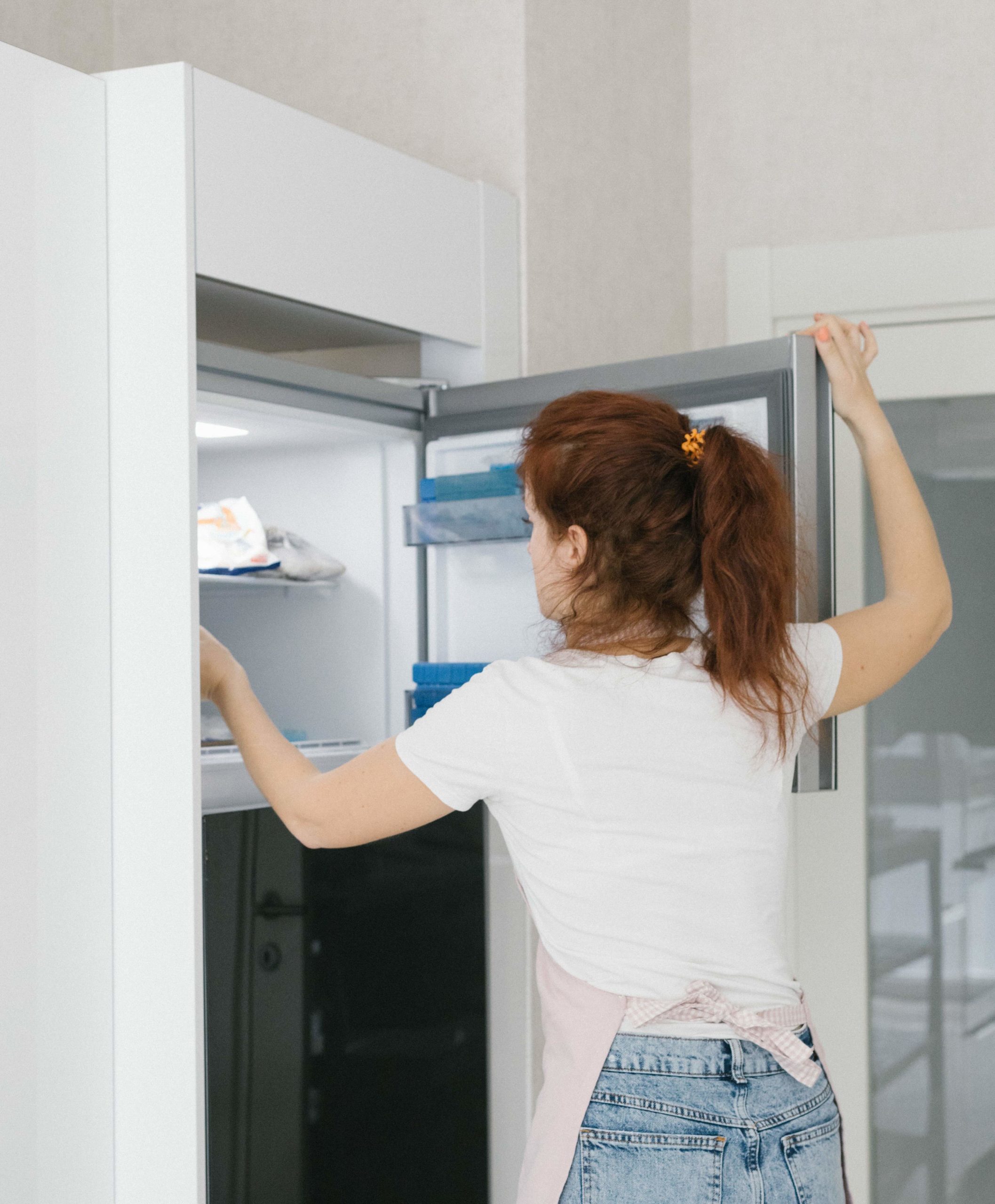
Have you taken the chicken out of the freezer to defrost, only to have your loved one bring home takeaways? Or someone left the freezer door slightly open, and now half the food has defrosted? My best is that I always seem to take out frozen meat for defrosting, only to realise that I have leftovers waiting for me in the fridge – and of course my realisation strikes just as the meat has just about thawed.
Whatever the emergency or reason, you’re still stuck with thawed food – what do you do? Can you refreeze thawed foods, or are you stuck with the task of making a plan?
Unlike water, foods (raw or cooked) are packed with carbohydrates, proteins, fats and other bits, and when frozen and then thawed, textures, aromas and flavours can change. This change also concerns the food’s safety and quality. Deciding whether thawed foods can be frozen all depends on how they were defrosted, stored, and made in the first place.
Can you refreeze thawed foods?
The most important factor here is temperature. Too warm and foods are in the danger zone, at risk of sneaky and very harmful microbial and pathogenic growth. Think Salmonella and Listeriosis. Too cold and the food won’t ever thaw in time for dinner.
That’s why we must look at how the food was frozen, stored, and thawed before choosing to refreeze it. As a general rule, don’t refreeze foods if they fall into any of these situations:
- Frozen foods defrosted on the countertop at room temperature for 2 hours or more
- Frozen foods defrosted when temperatures are above 32ºC
- Thawed leftovers from restaurants or fast food
However, if you follow the right way to defrost foods, i.e. not popped onto the counter while you’re away at work, and the thawed foods are kept at cool temperatures before cooking or reheating (i.e. keeping them at 4ºC or lower), then you can refreeze them without being at risk for gastrointestinal issues.
Just be aware that refreezing foods will change their texture. This is because the water content in the food swells when frozen. This swelling can burst cell walls of the foods themselves, altering the texture of the food (and in some cases the flavour). Think of it like this: when water freezes, sharp ice crystals form and swell, piercing anything that comes in their way.
So refreezing meat, fruits, vegetables, and grains means their cells (which are packed with flavour and nutrients) are at high risk of being ruptured. Instead of refreezing their thawed raw forms, cook them and then freeze them (when doesn’t meal planning come in handy, eh?).
In terms of cooked foods, like leftovers, baked goods, soups and sauces, they aren’t at as high a risk of having their cells rupture. So they can be refrozen at least once or twice. Soups are one food that can be thawed (correctly, of course) and refrozen multiple times.
How to thaw foods properly
There are 2 healthy and safe ways to thaw foods:
- In the fridge (which usually takes 8+ hours, depending on the food)
- In a cold water bath for a couple of hours, or kept in the fridge
The defrost function on your microwave is pretty nifty, but if you get the specifics wrong (which I always seem to do), or use the “quick defrost” function when you’re in a hurry, you could end up with foods that are overly cooked on the outside and still frozen on the inside. So it’s better to stick to the fridge or a cold water bath instead.
And all those people who swear by hot water baths for defrosting foods are in for serious stomach cramps. Not only does the hot water defrost only the outer layers of the foods, they are the perfect environment for gut-wrenching bacteria and pathogens to thrive.
Stick with colder temperatures, cook raw foods you’re unsure of and refreeze them to be safe.
