
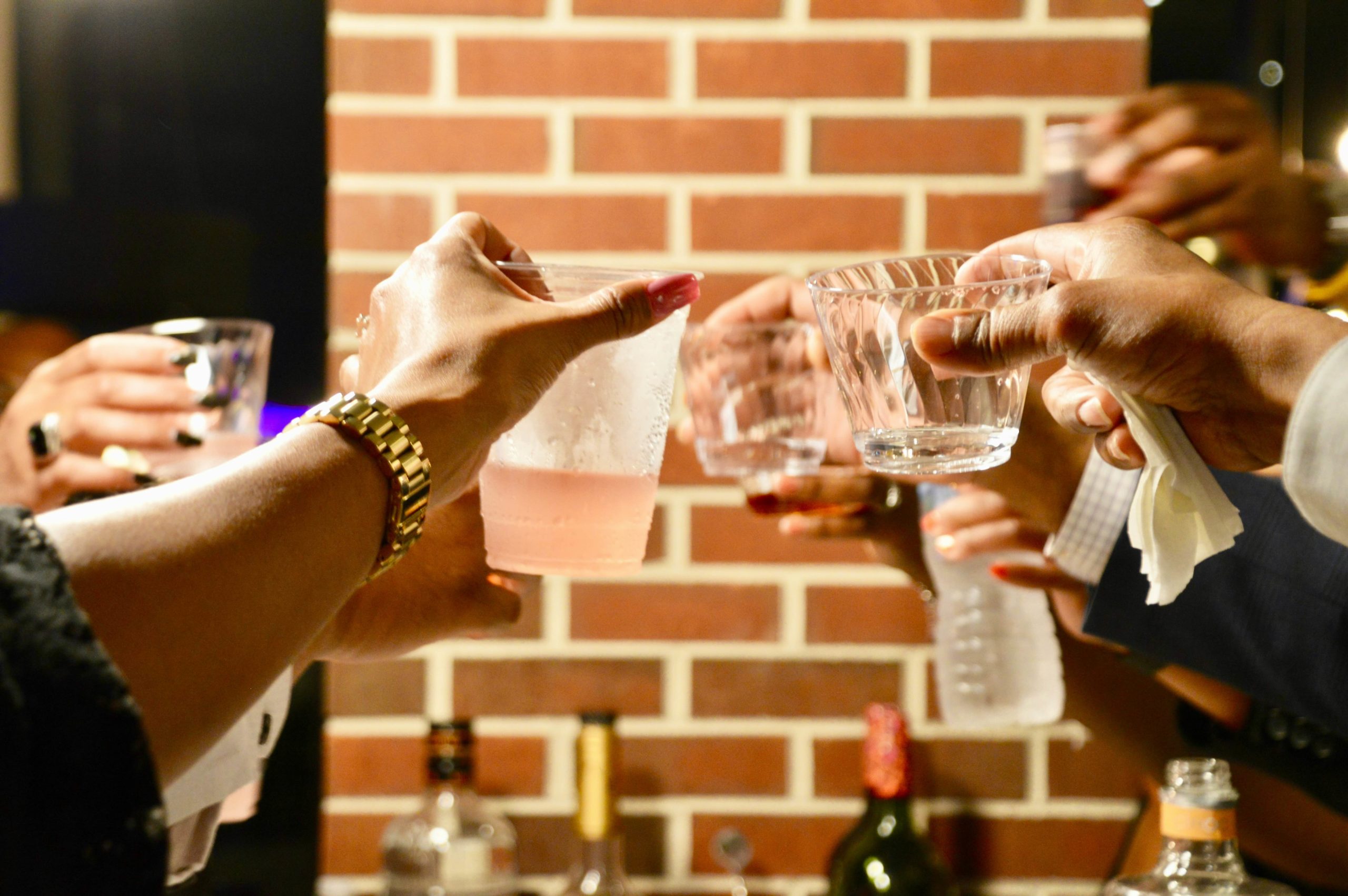
Gen Zers might be in the limelight again, but they’ve slowly been building the sober trend for years. Since the early 2000s, Gen Zers have been experimenting with alcohol moderation, abstention, low- or no-alcohol alternatives, turning away from the common high-drinking trends set by Generation X and Millennials.
This group’s growing interest and movement towards health and wellness consciousness, changing social patterns (for example, engaging in more homebody meet-ups with friends and family, or choosing to be active instead of meeting for a drink after work), a higher awareness of one’s own thought processes, and the rising costs of daily living, have intensified the “sober curious” movement.
Alcohol has a pretty bad rep
While a tasty and mostly inviting way to wind down after a long, stressful day, alcohol isn’t what it’s cut out to be in real life. The World Health Organisation is a prominent voice in the industry, arguing against regular consumption, especially of high amounts. They, together with many other health professionals, warn against the dangers of regularly consuming alcohol. In fact, there are over 200 health conditions associated with heavy drinking, including cancer and liver disease.
Moreover, Gen Zers are all too familiar with the immortalised effects that alcohol and social media bring with them. Not only will their potential rowdy nights out (turned blackouts) live forever on the interweb, it has the potential to take a serious dig at their social and professional life any time in the future.
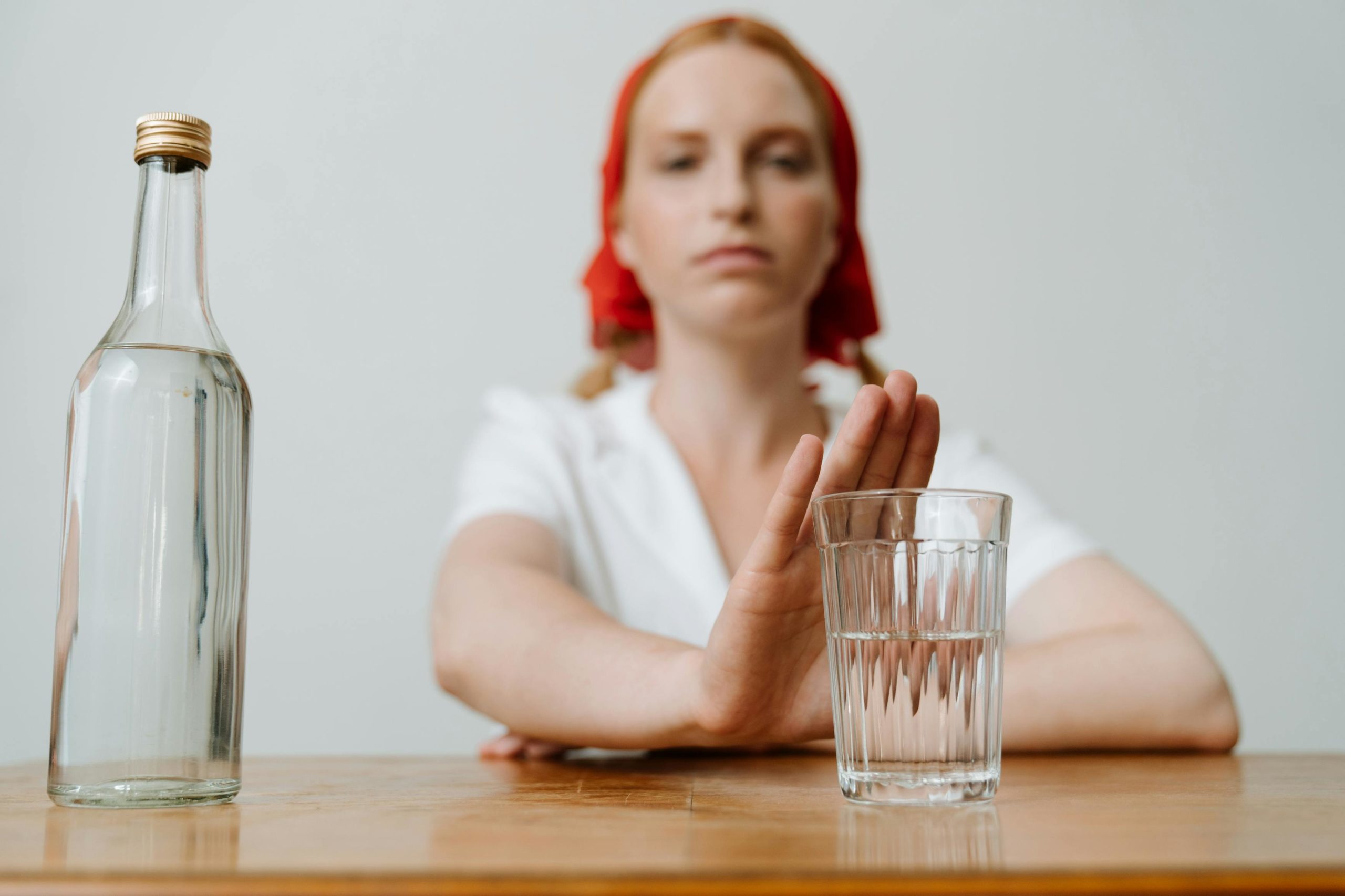
The “sober curious” movement
One of the defining characteristics of Gen Zers is their heightened sense of self. Experiencing higher rates of anxiety and depression, compared to older generations, and are more likely to seek help or professional treatment. This new perspective on health and wellness has opened a healthy and engaging dialogue about the impacts of alcohol (and other mind-altering substances) on mental and emotional well-being.
Ironically, instead of posting about your latest party, drinks meet up, or bender, Gen Zers are more inclined to start conversations about how they’ve started and how they’re coping with their #SoberJourney on social media platforms – favourably using Instagram and TikTok. These conversations have spoken about not only the negative effects or consequences of alcohol consumption, but more so about how alcohol hinders rather than eases the struggles of anxiety and depression.
Many young people are redefining what social gatherings look and feel like, and how to have fun without it centring around alcohol. Meaningful social experiences are less about having a drink to calm down or become confident, but rather about becoming present and mindful of the interactions they engage in.
Also See: From zero to hero: The rise of non-alcoholic pairings in fine dining
From zero to hero: The rise of non-alcoholic pairings in fine dining
