
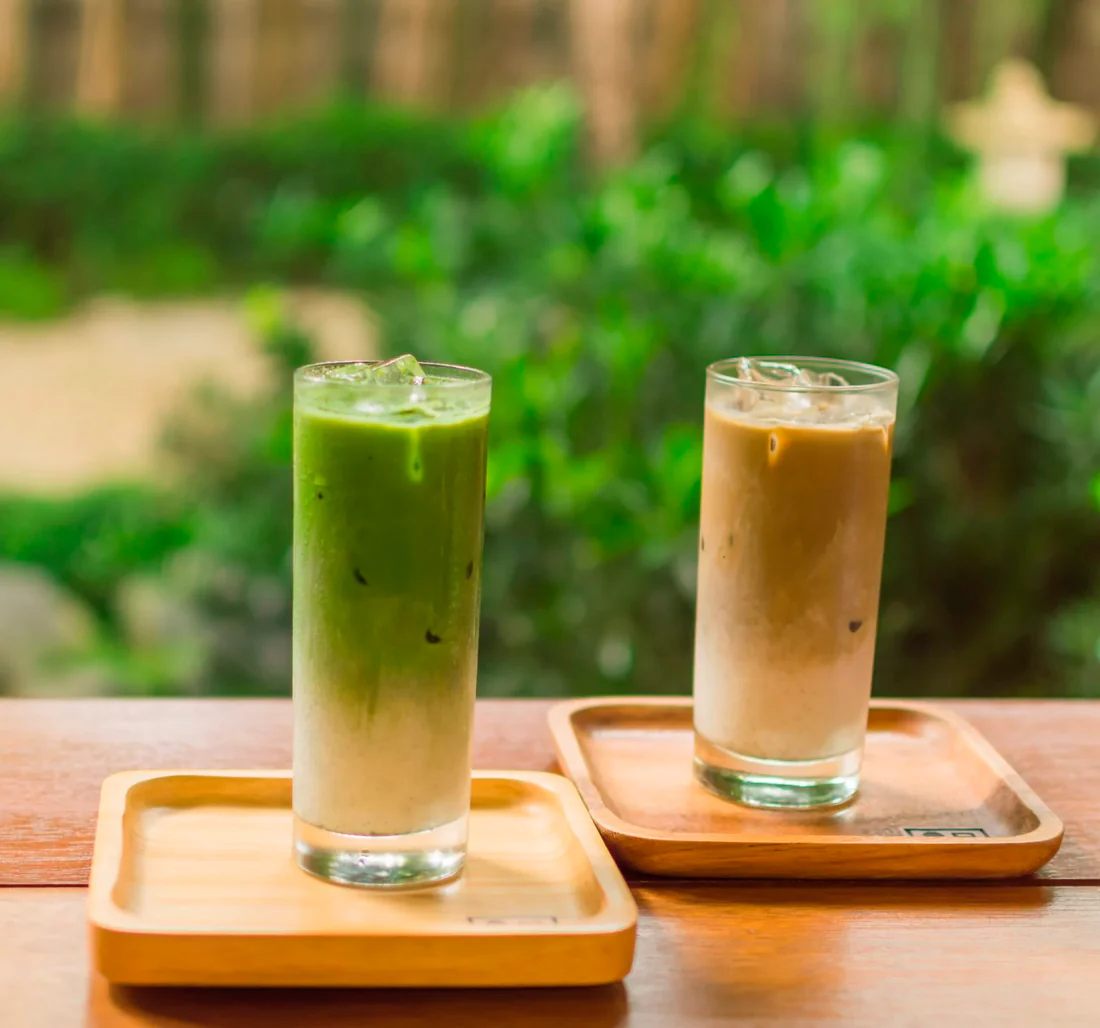
Move over, matcha. There’s a new green tea darling quietly steaming its way onto café menus, dessert counters and morning routines – and it’s called hojicha.
While matcha has had a long reign as the bright green poster child of wellness drinks, hojicha offers something a little moodier, toastier and far more laid-back. Think less grassy energy burst, more cosy café corner on a rainy afternoon.
So what exactly is hojicha, and why is everyone suddenly obsessed?
First things first: What is hojicha?
Hojicha is a Japanese green tea made from tea leaves that are roasted at high heat. That roasting process transforms the leaves from green to a warm brown shade and gives the tea its signature nutty, caramel-like flavour.
Unlike many green teas that lean fresh and grassy, hojicha is mellow, smooth and gently smoky. It’s the tea equivalent of slipping into your favourite knitwear.
Traditionally enjoyed hot, hojicha is now showing up in powdered form too — making it perfect for lattes, baking and all sorts of café-style treats.
Hojicha vs matcha: The tea face-off
Both teas come from the same plant, but their personalities couldn’t be more different.
Matcha:
- Bright green powder made from shade-grown young leaves
- Bold, earthy and grassy flavour
- Naturally higher in caffeine
- Popular in lattes, smoothies and desserts
Hojicha:
- Roasted tea leaves, often ground into powder
- Toasty, creamy and slightly sweet flavour
- Lower in caffeine
- Delicious in lattes, ice cream, cakes and iced drinks
Basically, if matcha is the energetic friend who signs up for sunrise Pilates, hojicha is the calm one suggesting coffee-shop catch-ups and banana bread.
Why everyone is suddenly talking about it
Hojicha ticks all the right boxes for modern food lovers.
It tastes comforting: It’s roasted flavour feels familiar, especially for coffee drinkers who enjoy warm, rich notes. It’s less intense than matcha, making it an easy introduction to Japanese teas.
It works beautifully with milk: Hojicha lattes are creamy, smooth and wonderfully balanced. The roasted flavour cuts through milk perfectly, creating a drink that feels indulgent without being overly sweet.
It’s versatile
You’ll now find hojicha in:
- lattes
- soft serve ice cream
- cheesecakes
- cookies
- cocktails
- overnight oats
- smoothies
Basically, if matcha can do it, hojicha can do it with a little more depth.
How to enjoy hojicha at home
No trendy café nearby? No problem.
- Brew it simply: Steep loose-leaf hojicha in hot water for a soothing cup of tea.
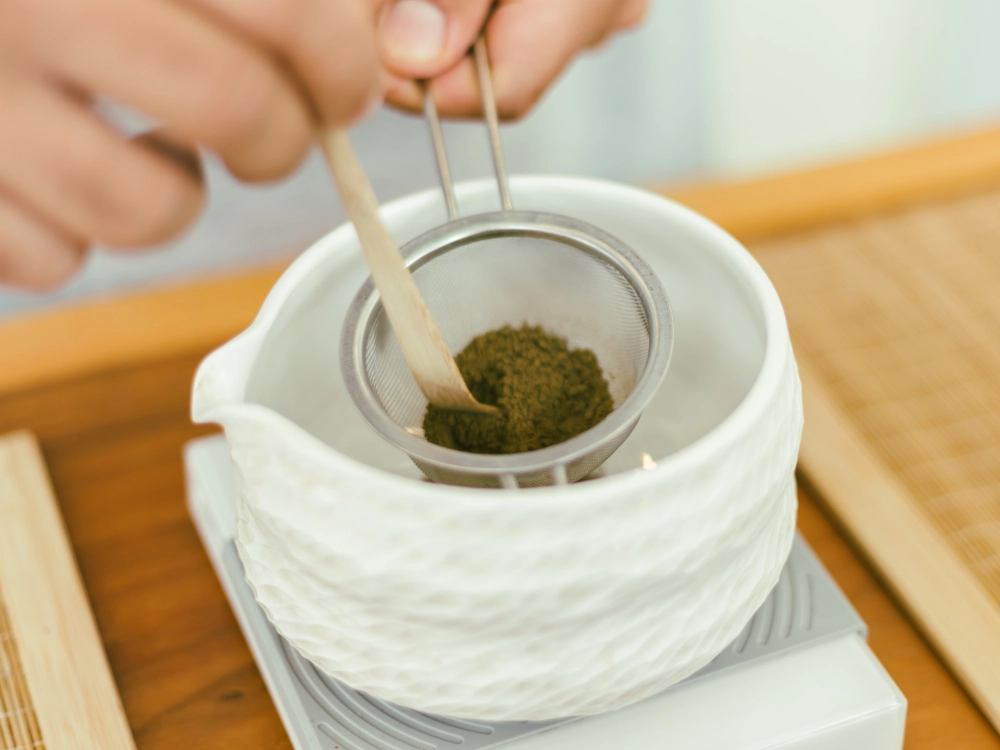
- Make a latte: Whisk hojicha powder with a splash of hot water, top with steamed milk and sweeten if you like.
- Bake with it: Add a spoonful to cake batter, pancake mix or frosting for a nutty tea twist.
- Blend it: Try it in smoothies with banana, oats and almond milk.
So… matcha or hojicha?
Truthfully, there’s room for both.
Choose matcha when you want something vibrant and energising. Reach for hojicha when you’re craving something warm, smooth and comforting. One is the main character. The other is effortlessly cool.
And right now, hojicha is having a very stylish moment.
ALSO SEE: THE ULTIMATE PLACES TO GRAB A CUP OF MATCHA
