
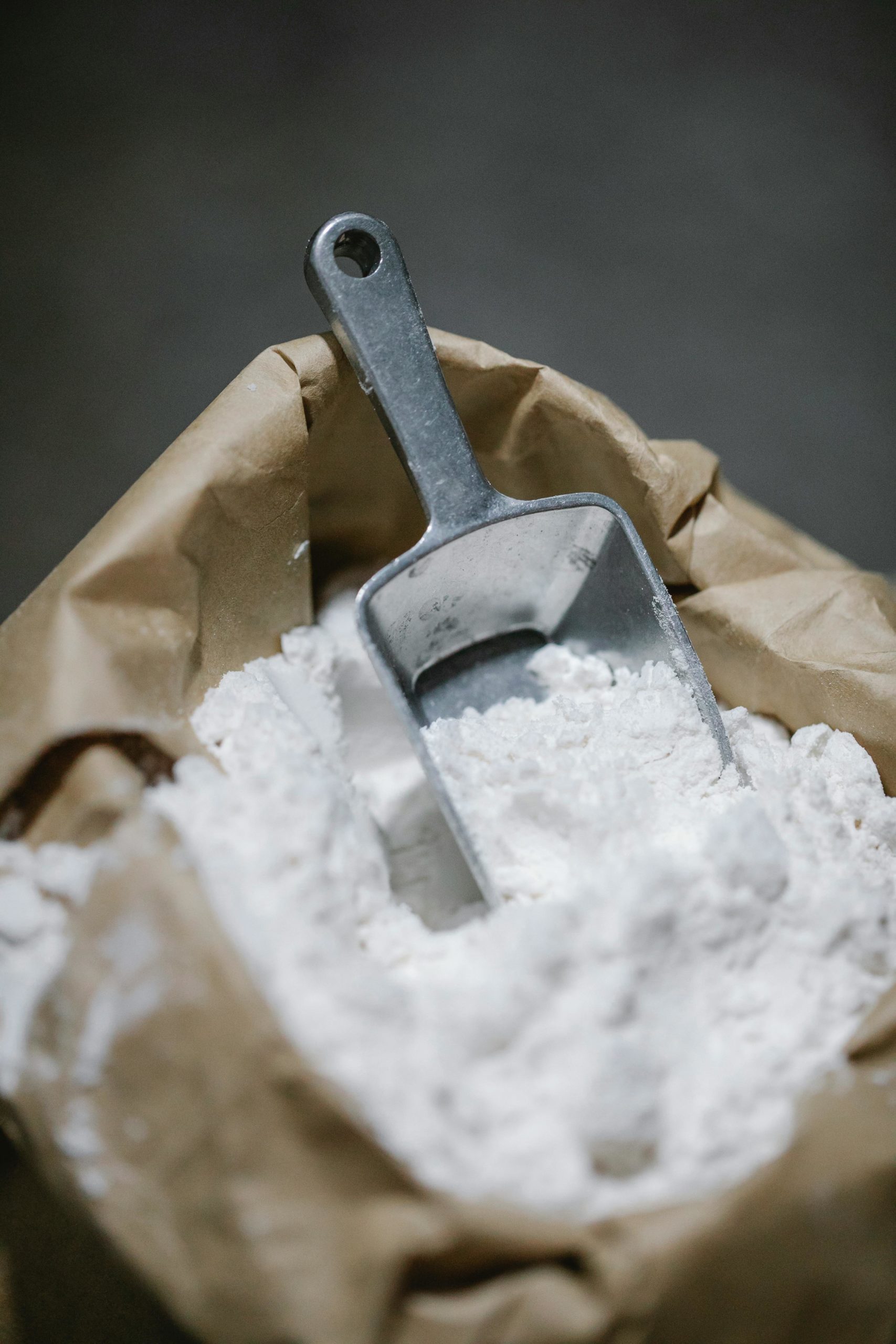
The foundation for a lot of gravies, thick soups, melktert and even homemade fried chicken, cornflour has surprising uses in and out of the kitchen. Keeping this stocked in both your pantry and cleaning cupboard will, of course, lead the way to rich and tasty dishes, but also to a whole new arsenal of DIY cleaners and polishes.
When used correctly, cornflour can lift stains, polish stainless steel, even clean your windows, and so much more. Ahead, discover new ways to use cornflour and turn your house from dull to sparkling clean in no time.
10 Surprising uses of cornstarch to clean your home
Cornflour is known for being absorbent. This superpower means it can soak up moisture and oils, making it an effective pantry staple and cleaning agent used for things like deodorising, stain removal and polishing.
Using it in combination with water or vinegar will increase its versatility; however, with all cleaning products, avoid combining cornflour with bleach or other strong chemicals. These combinations may result in harmful chemical reactions.
Top tip: Always test a small, unsuspecting area before trying new methods on the entire surface.
1. Deodorise carpets
Put cornflour’s absorbency to good use and sprinkle a handful directly onto carpets. Let it sit for 15 to 30 minutes and then vacuum up. The cornstarch will absorb any moisture or oils, helping to remove stains and odours.
2. Remove stains from upholstery
We all have a couple of tea, coffee or sauce spots on our favourite couch. One way to lift them, especially if you’ve run out of your commercial stain remover, is to use cornflour. Use a clean, dry cloth to gently blot away any moisture or excess grease and then generously sprinkle dry cornflour onto the stain. Ensure it’s covered well. Let this sit for 15 minutes or a couple of hours before using the brush attachment on your vacuum to suck it up. Repeat if necessary.
For more stubborn stains, check out our guide: How to lift food and drink stains from your couch/carpet
3. Deodorise upholstery
Just as you would use cornstarch to deodorise your carpets, you can also use the same method on your upholstery. After a few movie nights with snacks, or if you have your furry housemate join you on the couch, your upholstery may gather dust and lingering odours. Sprinkle cornflour onto the surface and let it sit for around 30 minutes before vacuuming it up. This also works well for pet beds and even their favourite stuffed toy.
4. Lift stains from fabrics & leather
Cornflour is one of the most effective natural stain removers. Whether you’re looking to get that oil spill on your blouse removed or fix up a spot on a leather bag, cornflour is the way to go. Sprinkle a generous amount directly onto the stain, ensuring it’s completely covered. Let this sit for 15 minutes to an hour.
Use a soft brush to remove most of the cornflour, then wash the fabric or clothes as usual. For leather, wipe away with a soft brush (vacuum up any remaining bits using the soft brush attachment).
For stubborn stains, check out our guide here: Tried and tested: The best way to lift grease stains from clothes, aprons, and tea towels
5. Clean windows
There are a lot of DIY methods for cleaning windows (we wrote about them here), but any windows or glass with stubborn stains could use some natural magic. Mix equal parts cornflour and water to form a thick paste. Using a clean cloth, gently but firmly scrub the paste onto the window surface, working in circular motions. The cornflour is abrasive enough to remove stains and hard water spots, but not so rough that it will scratch the surface.
Alternatively, you can sprinkle in a teaspoon of cornflour and dish soap into about 3 litres of water. Use this to clean windows and other glass surfaces.
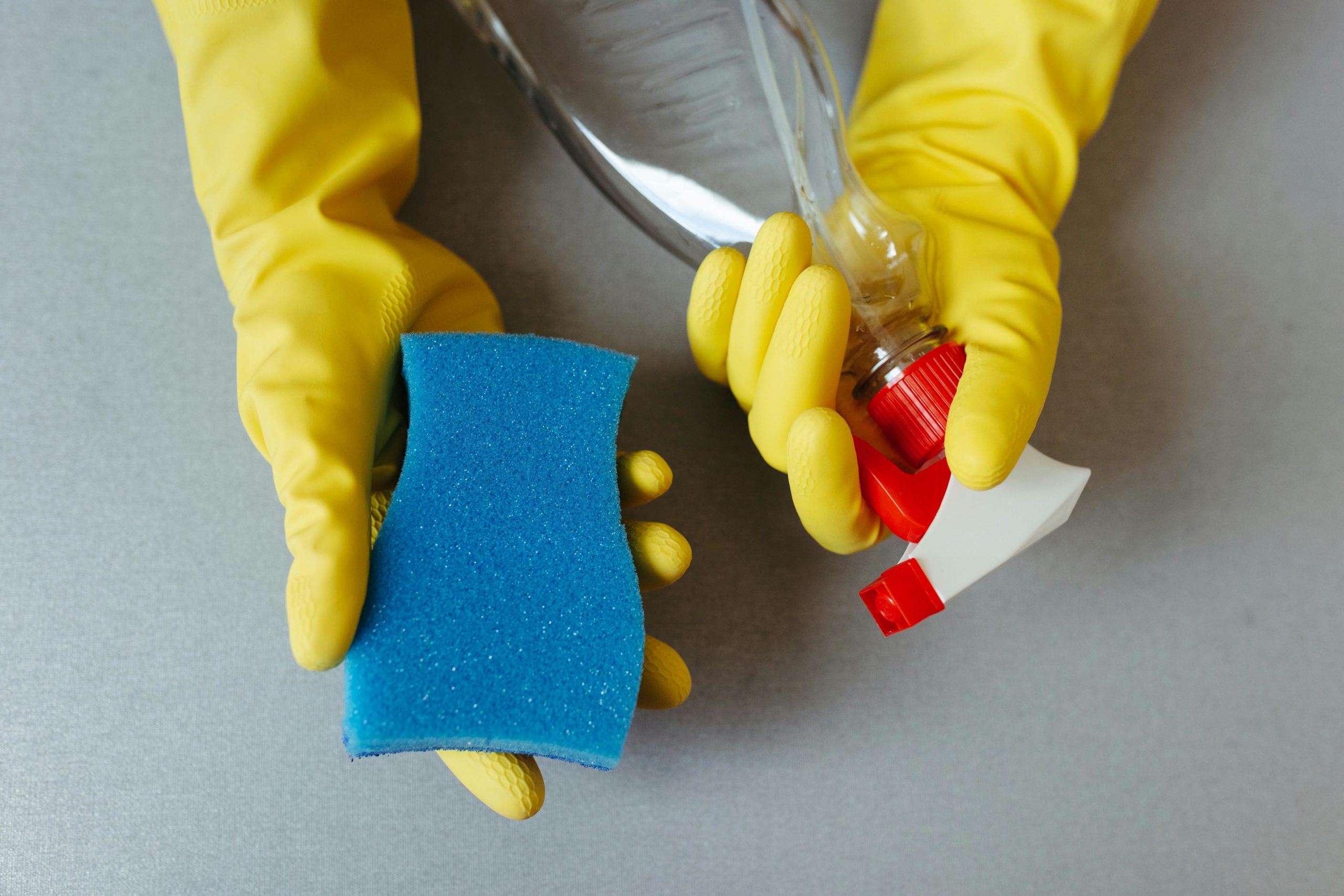
6. Use as a polisher to bring back shine
Similarly to what we’ve just mentioned, a thick cornflour paste is also a great natural polisher. It works on a range of surfaces to remove any stubborn bits, but most importantly, bring back shine. Mix equal parts cornflour and water for a makeshift polisher for:
- Stainless steel
- Ceramic
- Porcelain
- Wood
Gently scrub the surfaces and wipe them clean. Use warm water to rinse stainless steel, ceramic and porcelain surfaces, or a wet cloth for wood. Finally, use a dry microfibre cloth to wipe dry and ensure all residue has been removed.
7. Clean tile and grout
Get your tiles and grout sparkling as good as new. Dampen bath or shower areas with plain water and then sprinkle on about 1/4 cup of cornflour. Use a soft-bristled brush to scrub the cornflour over every inch, rinsing with warm water when done.
When dealing with a heavier build-up of grime, mix equal parts cornflour, bicarbonate of soda and vinegar to make a thick paste. Spread this over all problem areas and scrub with a soft brush, focusing on any areas with a lot of grime. Rinse with warm water to remove residue and wipe dry with a microfibre towel.
8. Freshen shoes
After long days at work, exercising, and window shopping, the inside of your shoes may be in need of some freshening. Simply sprinkle a few tablespoons of dry cornflour inside each shoe to absorb perspiration and odours. Leave to sit for 15 minutes or overnight before vacuuming up.
9. DIY mould and mildew stains
Make an effective DIY mould and mildew stain remover by mixing 1 tablespoon of cornflour, bicarbonate of soda and lemon juice with 1/2 cup of water. Smear this paste onto the stains and leave it to sit for 15 minutes to an hour before gently scrubbing and rinsing it clean.
10. DIY fabric softener
If you’ve just run out of fabric softener, create a quick and useful one from cornflour. Simply combine 2 teaspoons of cornflour with 1/4 cup of bicarbonate of soda and a couple drops of your favourite essential oil (optional) for an alternative fabric softener.
