
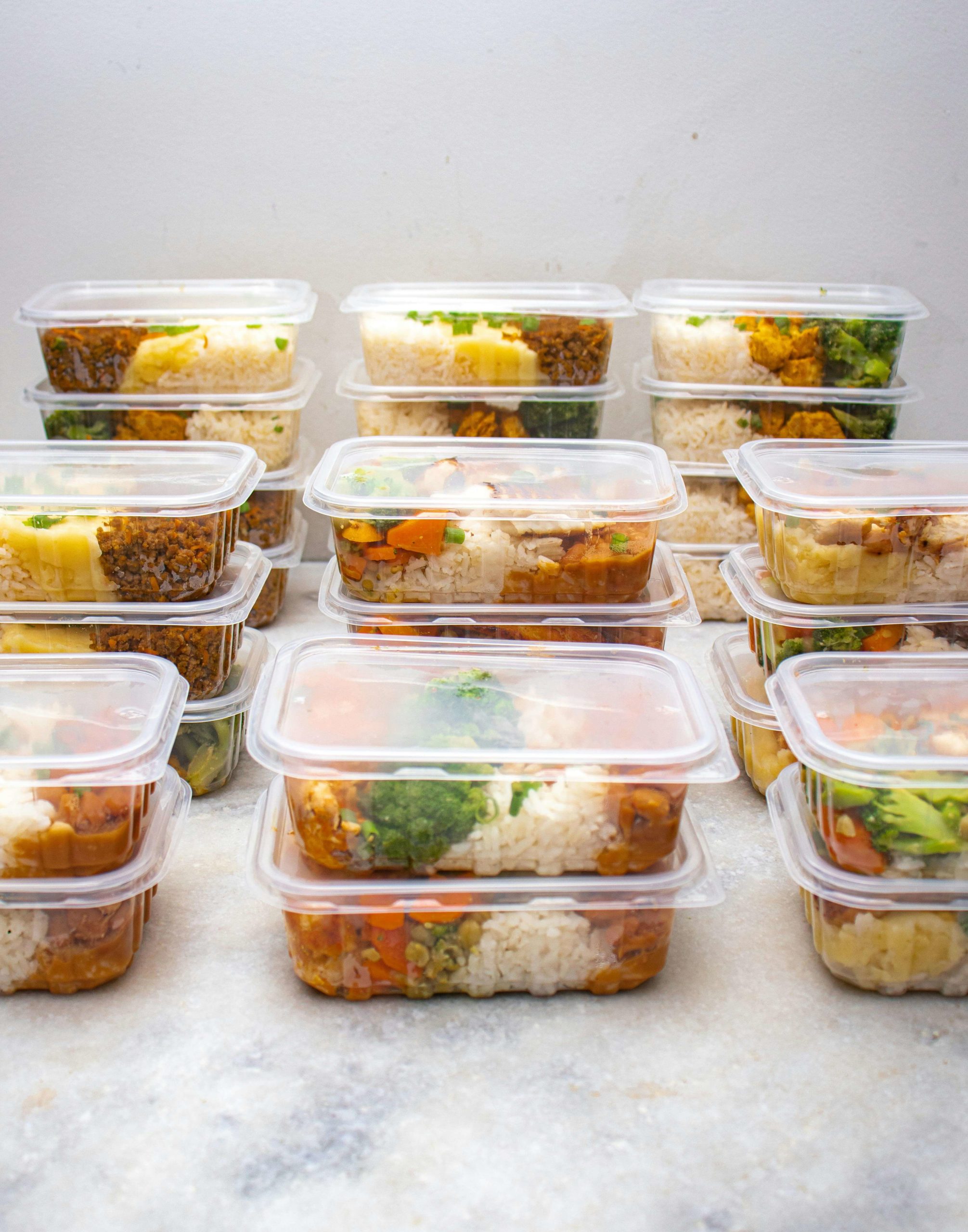
Opening the fridge and spotting a neat stack of takeaway containers can feel like a small victory. Free storage! No extra cost! And a tiny step towards reducing waste.
But before you proudly start using those containers for everything from leftover pasta to chopped fruit, it’s worth asking one simple question: are they actually safe to reuse?
The short answer? Sometimes. But not always.
Not all takeaway containers are created equal
Takeaway packaging comes in all shapes and materials. Some can happily live a second life in your kitchen, while others are best used once and then recycled or discarded.
Glass containers are the real winners here. If your takeaway arrived in a glass dish, you’ve struck gold. These can be washed and reused repeatedly, as long as there are no cracks or chips. They’re sturdy, easy to clean, and safe for both cold storage and reheating.
Cardboard containers, on the other hand, are more of a one-time affair. Even if they look sturdy, cardboard absorbs oils and moisture from food. Once that happens, cleaning them properly becomes nearly impossible. The best option is to recycle them after use.
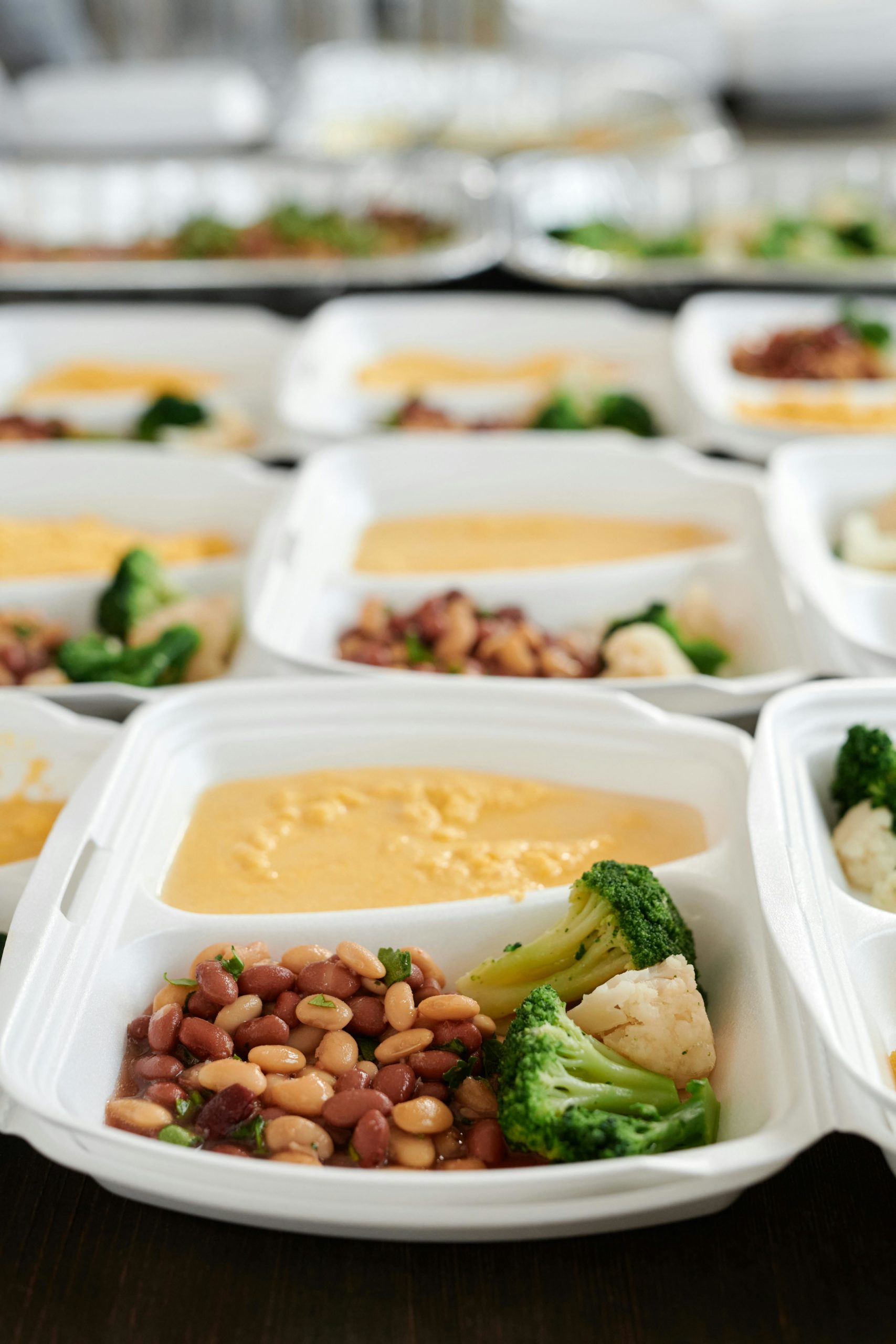
Then there are the ever-present foam containers. They’re lightweight and great for keeping food warm on the trip home, but they aren’t designed for repeated use. Foam breaks down easily, especially when exposed to heat or washing, so it’s better not to keep these around.
What about plastic tubs?
Plastic takeaway containers are the ones that tend to pile up in cupboards. They’re convenient and often look reusable – but there are a few things to keep in mind.
Many of these plastics are intended for single use or short-term storage, which means they’re fine for holding leftovers in the fridge for a day or two. The problem starts when they’re exposed to high heat.
Microwaving food directly in these containers can cause the plastic to break down over time. The same goes for putting them in the dishwasher, where high temperatures and strong detergents can weaken the material.
A safer habit is to transfer leftovers into a different container before reheating.
Signs it’s time to let it go
Even the sturdiest plastic takeaway container has a lifespan. If you’re planning to reuse one, keep an eye out for warning signs.
Scratches, cloudy surfaces, or stains are good indicators that a container has reached retirement age.
Once plastic becomes worn, it’s harder to clean thoroughly and can trap bacteria.
Another giveaway? That stubborn greasy film that refuses to disappear, no matter how much you scrub. If the container still feels oily after washing, it’s probably time to toss it.
A simple solution
If you regularly bring home unfinished meals, consider keeping a reusable container in your bag or car. Packing leftovers straight into your own container means you skip the disposable packaging altogether -and you know exactly what your food is being stored in.
Reusing takeaway containers can be a practical way to cut down on waste and stretch your kitchen storage. The trick is knowing which ones are worth keeping.
Glass containers are a long-term win, sturdy plastic tubs can handle short-term fridge duty, and cardboard or foam options are best used once and then recycled where possible.
So the next time you open your cupboard and a tower of takeaway tubs threatens to topple over, you’ll know exactly which ones deserve a second chance – and which ones should make a graceful exit.
ALSO SEE: TAKEAWAY-STYLE FOOD AT HOME
