
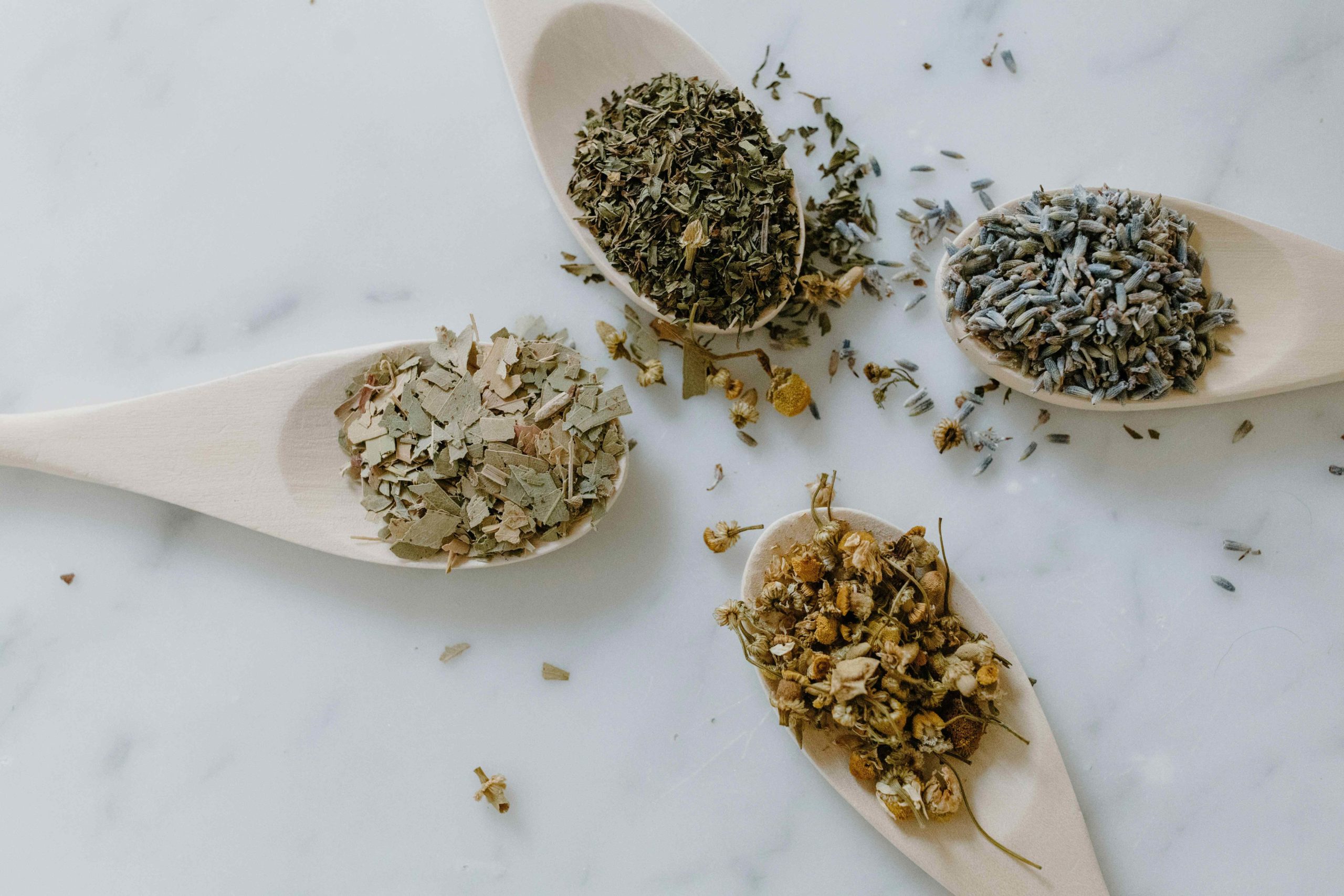
Fresh herbs are fantastic. They add aroma and flavour to any dish, whether it’s the base of a sauce, tossed into a salad, or used as a garnish. Whether you have access to fresh bundles from your very own herb garden or from your local fruit and veggie grocer, storing fresh herbs can become tricky.
Those bundles will last a good 3 to 4 days in the fridge, after which they’ll start to lose their original oompf and, dare we say it, start to break down and go off. One way to combat this is to dry them.
It’s a simple, minimal effort way to make herbs last longer without compromising much (sure, the vibrant colours fade, but the aroma and flavour still pack a punch!). Here’s how to dry fresh herbs like a pro and keep your kitchen cupboards stocked.
The best herbs for drying
- Rosemary
- Thyme
- Sage
- Oregano
- Marjoram
- Bay leaves
- Tarragon
- Basil
- Parlsey
- Coriander
- Dill
- Mint
- Chives
- Lemon balm
- Fennel fronds
At-home methods for drying
There are four methods you can use to dry your fresh herbs. All are super effective with similar results. The method you choose depends on your budget and how much time you have available for this task.
1. Dry herbs in the oven
- Pros: Produces even results; most people have an oven available to them; large space means you can dry out a few bunches at once
- Cons: takes 1 to 3 hours; uses electricity; easily forgettable (no auto-stop, which can become hazardous)
- Preheat the oven to 85ºC (or lower if your oven allows).
- Line a baking sheet (or two, depending on the amount of herbs you’re drying) and evenly spread the herbs in a single layer.
- Place the tray in the oven and leave to dry out for 1 to 3 hours, checking on it every 20 to 30 minutes (in case they’re getting too crispy or burned). To help the moisture escape, prop open the oven door with a wooden spoon.
- When the leaves crumble easily between your fingers, they’re ready.
- Switch the oven off and open the door fully to cool down the herbs, or place them on a cooling rack.
- Once fully cooled, store in an airtight, labelled container or jar.
2. Dry herbs in a food dehydrator
- Pros: produces consistent results; has an auto-stop/timer; includes many layers for dehydrating large quantities
- Cons: this tool can be quite expensive; takes 2 to 4 hours
- Spread herbs evenly on trays and slot them into the dehydrator. Ensure they are adequately spaced for even drying.
- Set the dehydrator between 45º and 55ºC (or follow the instruction manual).
- Leave to dry for 1 to 4 hours, checking every hour or so to make sure they don’t over-dry.
- Once the herbs easily crumble between your fingers, switch off the heat source and allow them to fully cool.
- Store in an airtight, labelled container or jar.
3. Dry herbs in an air-fryer
- Pros: air-fryers are compact and don’t take up much space; use less electricity than an oven or a dehydrator; have an auto-stop
- Cons: without a specific “dehydrate” function; only has one level/rack; resulting dried herbs could differ batch to batch
- Arrange herbs in an even single layer in the air-fryer basket/rack.
- Choose the “dehydrate” setting, or set the temperature to between 45º and 90ºC.
- Leave to dry for 2 to 4 hours, checking every 30 minutes to prevent clumping or burning, shaking the basket or flipping the herbs halfway through.
- When the leaves easily crumble between your fingers, allow them to cool completely.
- Store in an airtight, labelled container or jar.
4. Dry herbs in the microwave
- Pros: drying process takes 1 to 2 minutes max; uses minimal effort and electricity; great for drying small batches
- Cons: may produce varying results; lower-strength microwaves may take 2 to 4 minutes to dry herbs; need to repeat the process for larger batches, which becomes time-consuming
- Place dry herbs in a single layer on a paper towel placed on a microwave-safe plate. Cover with a second layer of paper towel to prevent herbs from flying around during the process.
- Microwave on high in short bursts – 30 seconds at a time. Repeat 2 to 3 more times, or until the leaves easily crumble between your fingers.
- Allow to cool completely before storing in an airtight, labelled container or jar.
Tips for success
- Wash and thoroughly dry herbs before starting the drying process to rid them of any dirt or pesky bugs
- Use a higher temperature range for delicate herbs like parsley, dill and fennel
- Use a lower temperature range for woody herbs like rosemary, sage and thyme
- Herbs kept on the stem will take slightly longer to dry than destemmed herbs
- Use airtight containers for storage
- Ensure you label batches: dried herbs last between 6 and 12 months
- Store dried herbs in a cool, dark cupboard
